
Understanding Door Height and Slope
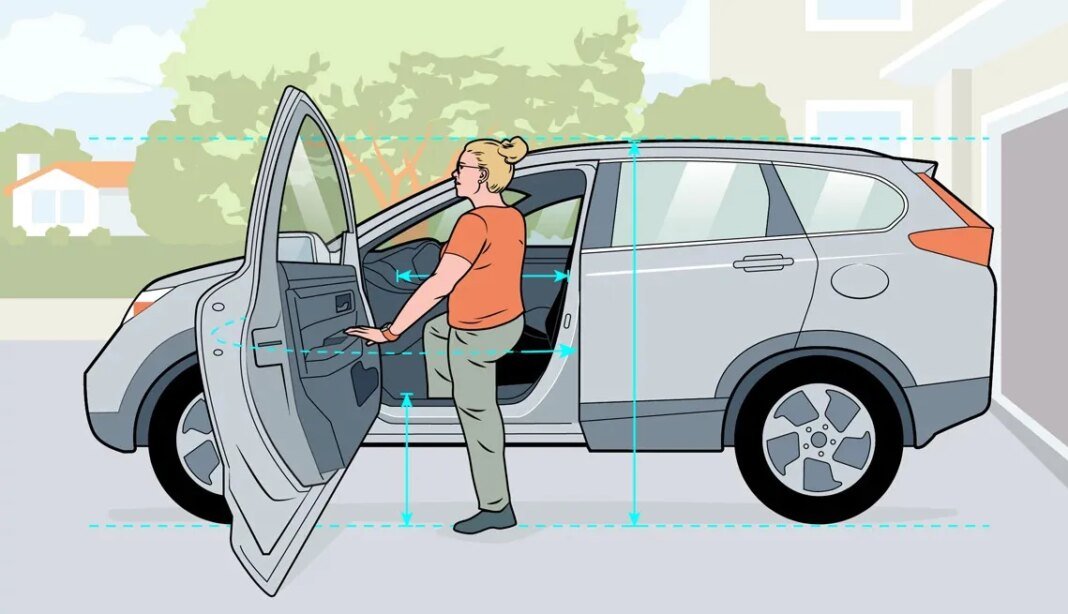
When selecting a vehicle, one key aspect to consider is the height and slope of the door opening. According to automotive expert Stockburger, taller door openings with flat tops provide a more comfortable ingress and egress experience. This design minimizes the need for ducking or stooping, making it particularly beneficial for tall individuals or those with mobility concerns. In contrast, low-slung vehicles, such as sports cars and two-door coupes, often feature lower and more acute angles at their door openings. This can make accessing the vehicle more challenging, especially for those with limited mobility. On the other hand, boxier SUVs and crossovers typically boast higher door openings, which makes entry and exit feel more spacious and easier.
The Impact of Base Height and Thickness
Another crucial factor to consider is the base height and thickness of the door frame. Snyder highlights that older drivers should pay careful attention to how high the car floor sits above the ground and the thickness of what’s known as the saddle — the base of the door frame. These measurements influence the effort required to lift one’s legs and body to enter the vehicle. Vehicles, such as large truck-based SUVs, often come with higher floors and thicker rails, which can present significant challenges compared to lower sedans or compact crossovers. Always evaluate how comfortable you feel navigating these aspects when trying to get in and out of a vehicle.
Steering Wheel Reach Matters
The placement of the steering wheel is yet another variable to consider in vehicle accessibility. According to Snyder, it’s important to be aware of how far the steering wheel extends into the passenger compartment. A steering wheel that intrudes significantly can complicate the motions of entering and exiting the vehicle, adding potential strain. Look for vehicles equipped with automatic steering wheel adjustments that move the wheel up and toward the dashboard when the car is turned off. This feature can return the wheel to a pre-set location suitable for driving, offering a more comfortable experience.
Practical Tips for Easier Access
Invest in a Door Assist Handle
One popular recommendation from automotive experts is to invest in a car door assist handle. Priced around $10-$15, this portable tool provides a leverage point when entering or exiting the vehicle. It slides into the striker plate—located on the inside of your car’s door jamb—offering an additional grip beyond the standard grab handle. This simple accessory can significantly enhance stability and ease of access.
Master the Swivel Technique
When getting into the driver’s seat, consider employing the swivel technique. Instead of placing one foot into the footwell first, sit down onto the seat and then swivel your legs inside. This method not only promotes stability but also allows for additional support from your arms, which can be helpful if you experience any leg weakness. For added comfort, padded swivel seat cushions can be purchased; however, ensure you remove them before driving as they may pose safety risks.
Balance Exercises are Key
Balance plays a crucial role in safely getting in and out of vehicles. Regular practice, such as getting up and down from a chair, can significantly improve your stability. AARP suggests various balance exercises that can help individuals maintain their mobility and confidence. Being proactive about balance not only helps when entering or exiting vehicles but is also beneficial in everyday activities.
Take Your Time
Finally, if you suffer from low blood pressure or take medications that can affect your blood pressure, it’s essential to take your time when getting in and out of the car. Rushing can lead to dizziness or fatigue, making it all the more difficult to manage this routine task. Just like the process of getting in and out of bed, moving at your own pace can greatly enhance your overall comfort and safety.