
Langley City’s Move Toward Safer Micro-Mobility on Roadways
The Current Landscape of Micro-Mobility
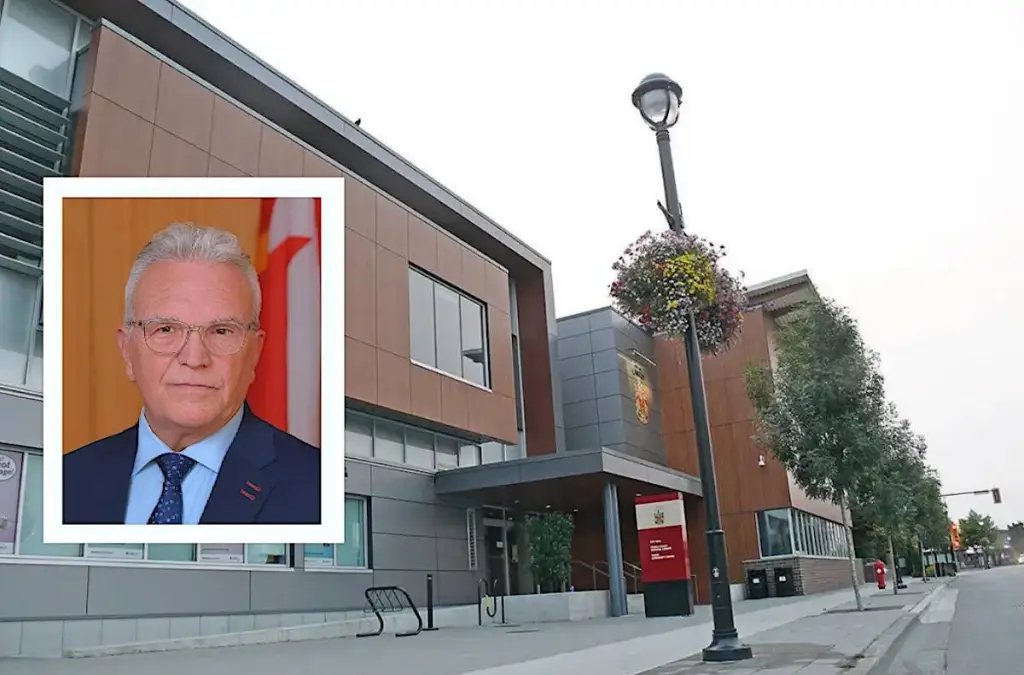
In an age where urban transport continues to evolve, Langley City Council is taking bold steps to address the growing complications posed by electric wheelchairs and power scooters on sidewalks. These devices, increasingly popular among seniors and people with disabilities, have been relegated to pathways that often hinder both their users and pedestrians. Councillor Paul Albrecht emphasized that this situation has created a “Wild West” scenario on sidewalks, filled with complaints from families and elderly citizens alike.
The Call for Change
During a recent council vote, which received unanimous support, Albrecht proposed a significant change to the current Motor Vehicle Act. His primary concern revolves around the safety issues arising when electric mobility devices are forced to adhere to sidewalks rather than being allowed on roadways or in bike lanes. The councillor noted that compelling these “micro-mobility” vehicles to use sidewalks leads to dangerous encounters, particularly given their quiet operation and faster speeds.
The Risks of Sidewalk-Usage
Albrecht’s observations reflect a pressing reality: as electric drive technology has matured, so have the speeds of mobility devices, with many now reaching between 14 to 22 km/h. Such speeds, optimal for roadways, can be hazardous when they encounter congested pedestrian environments. Many such devices can “sneak up” on individuals, posing a risk of accidents.
Benefits of Allowing Roadway Access
By enabling electric wheelchairs and scooters to operate on roadways and in dedicated bike lanes, Langley City could enhance the mobility and safety of many residents. Albrecht underscored the benefits for seniors who wish to navigate more freely. He argued that by allowing electric mobility devices on bike paths, it would not only ease their travel but reduce interactions that often lead to conflicts on sidewalks.
A Model from Other Regions
Langley City is not alone in this consideration. Albrecht pointed out that provinces like Quebec have permitted such devices on roadways for decades. Their model serves as a benchmark for legislative reform, emphasizing the need for a consistent and province-wide approach to managing personal mobility devices.
Next Steps for Implementation
Following the council’s resolution, the proposal is set to move through several governmental layers, including the Lower Mainland Local Government Association, which encompasses 29 local governments and three regional districts. This process will culminate in a presentation to the province, aiming to garner widespread support for the initiative.
A Vision for the Future
Albrecht’s vision includes the formal recognition of a new class of personal mobility devices. This step would establish clear standards and regulations for their use on traffic-calmed public roads and cycling infrastructure. By doing so, Langley City aims to foster an environment where micro-mobility solutions can coexist harmoniously with pedestrian traffic, enhancing the overall safety and accessibility for all citizens.
Through thoughtful legislative changes and community engagement, Langley City is setting a precedent for progressive transport solutions that cater to the needs of its diverse population.