
Frequently Asked Questions
Walkers vs. Rollators: What’s the Difference?
When it comes to mobility aids, walkers and rollators are often discussed interchangeably, but they serve unique purposes tailored to different needs. Understanding the key distinctions can help individuals choose the right option for their circumstances.
Basic Design Differences
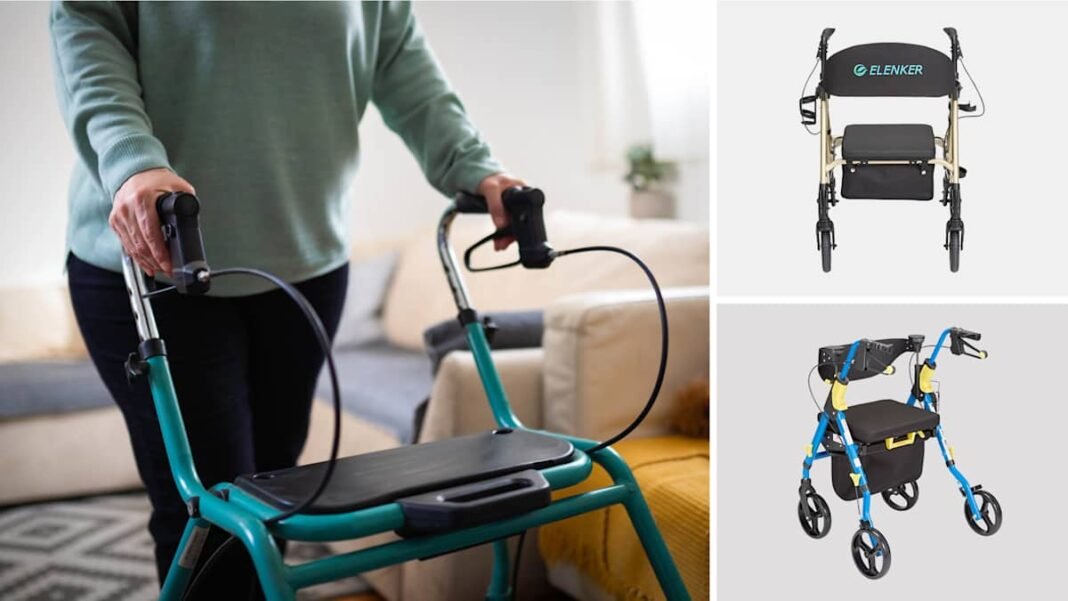
At a glance, the most noticeable difference between walkers and rollators is in their construction. Walkers typically feature a non-wheeled frame with wheels placed only on the front legs, relying on the user’s upper body strength for support and movement. In contrast, rollators come equipped with wheels on all four legs. This design difference significantly impacts usability, particularly for individuals who require a bit more assistance.
Maneuverability
Maneuverability is another critical factor that sets rollators apart. Equipped with larger casters, rollators are designed to glide smoothly over thresholds and various terrains, which can be particularly beneficial for active individuals. Whether navigating through a grocery store or taking a stroll in the park, the all-wheeled design allows for effortless mobility. Walkers, with their limited wheeled frame, may be better suited to stable, flat surfaces, making them less versatile in outdoor settings.
Stability and Safety Features
When considering safety features, rollators often provide additional stability. Many models include hand brakes that allow users to slow down or stop easily when needed. Some rollators even come with a seat and backrest, providing a resting place during long outings. This built-in seating feature makes rollators ideal for individuals who may need to take breaks or are at risk of fatigue, enhancing their overall safety and comfort.
Weight Considerations
One prevalent concern among users is the weight of mobility aids. For many, the ability to easily fold and lift the device into a vehicle is paramount. During my experience helping a family member recover from knee surgery, I discovered just how impactful weight can be. A rollator that is just a few pounds heavier than expected can make the difference between confident lifting and struggling to maneuver it into the trunk of a car. Users should consider their strength and ability when choosing between walkers and rollators, as a lightweight model can greatly improve convenience.
Foldability and Transportation
Both walkers and rollators are generally designed to be foldable, enhancing their transportability. However, the folding mechanisms and ease of collapse can vary significantly. Many rollators feature a simple one-hand folding system, allowing users to pack them away quickly without bending down. This ease of use can be especially helpful for those with limited dexterity or strength. Walkers, while foldable, may require more effort to store away, making rollators more user-friendly for frequent travelers or those who are on the go.
User Experience
The choice between a walker and a rollator also often stems from personal preference and comfort. Some users may feel more secure using a walker, appreciating the firm grip and stability it offers. Others might find rollators more appealing due to their lightness and mobility, particularly if they enjoy exploring various environments. Testing both options can help determine which device feels more comfortable and empowering.
Conclusion
Understanding the differences between walkers and rollators is essential for users seeking mobility assistance. By evaluating features like design, maneuverability, stability, weight, and ease of transportation, individuals can make informed decisions that cater to their specific needs and lifestyles.