
Understanding Nail Clippers: Finding the Best for Every Need
When it comes to personal grooming, nail care often goes underappreciated—yet the right tools can make a world of difference. Nail clippers, for instance, are not all created equal. Their effectiveness often hinges on the quality of their blades and design, impacting how comfortably and efficiently they cut nails. In this article, we’ll explore how nail clippers are evaluated and what features to look for when selecting the best options, especially for those with unique needs.
Essential Features of Quality Nail Clippers
To identify the best nail clippers, we rely on crucial testing parameters that focus on their design and usability:
-
Sharp, Curved Blades: Comfort during use is paramount. Dull blades can lead to a frustrating experience, forcing users to press harder, which can cause discomfort or, worse, painful cuts. Curved blades adapt better to the natural shape of the nail, ensuring a cleaner cut with minimal effort.
-
Controlled and Precise Clipping: One of the main goals of a quality nail clipper is to provide a clean cut without scattering nail clippings everywhere. This not only makes the task tidier but also prevents the user from having to clean up an unwanted mess post-clipping.
-
Optional Attachments: While not absolutely necessary, having tools like nail files or nail catchers can enhance the clipping experience. If these attachments work well, they add a layer of convenience that some users may appreciate.
Exploring Adaptive Nail Clippers
The search for effective nail clippers often leads to various models marketed as “adaptive,” “universal,” or “senior-friendly.” Such labels hint at features designed to aid those with limited hand control. Our exploration encompassed a variety of types:
-
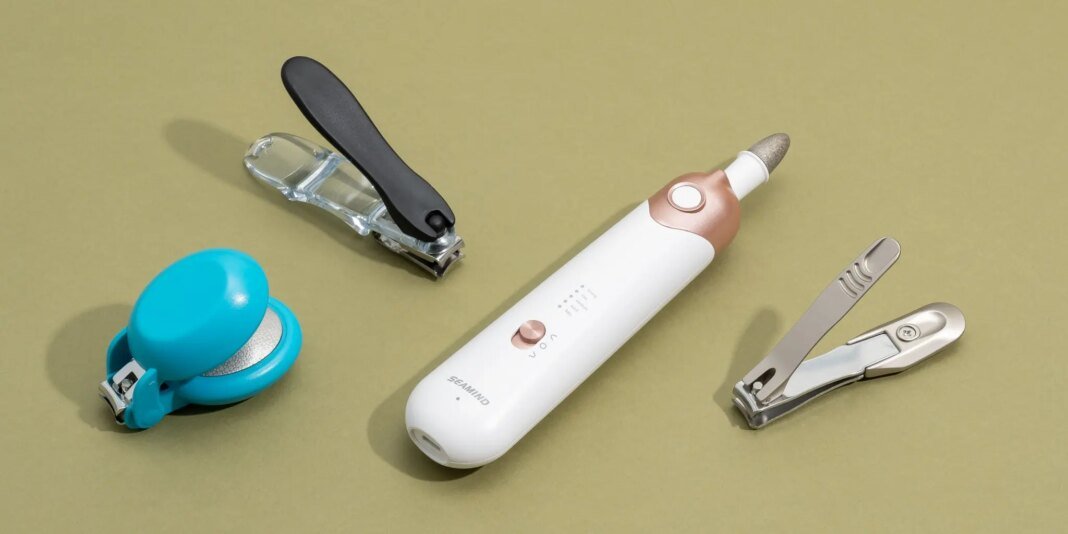
Nail Scissors: These are often more precise than traditional clippers, making them a great option for individuals who may lack dexterity.
-
Nail Nippers: While these tools can offer a clean cut, they possess a steeper learning curve. They may not be suitable for everyone, particularly for those who prefer ease of use.
-
Electric Nail Clippers: Automatic models, such as those from brands like ClipDifferent, introduce a tech-savvy alternative. They can be particularly beneficial for individuals seeking a hands-free option.
-
Lever-style Clippers: Many adaptive designs feature long handles or adjustable grips, allowing users to maintain better control while cutting nails, thereby reducing strain on the hands.
-
Electric Nail Files: Surprisingly effective, these devices served as a useful alternative in our testing. While not typically labeled as adaptive, they offer a straightforward and safe solution for trimming nails.
Testing Methodology
The testing process was rigorous. From hundreds of available options, we narrowed our selection to ten models that encompassed various universal design features. This included analyzing safety, accessibility, and stability aspects.
To collect tangible feedback, we assembled a diverse panel of twelve testers ranging in age from their late twenties to octogenarians. Each individual brought different challenges to the table, from arthritis and carpal tunnel syndrome to other disabilities. Many of these testers typically relied on caregivers to assist with nail trimming; in these instances, caregivers also contributed valuable feedback on usability.
Each participant used the selected clippers in their daily routines over several weeks. This first-hand experience revealed crucial insights about each model’s performance in real-life situations. Notably, I also engaged in the testing process, trimming my own nails with each option to gauge their effectiveness through personal experience.
Insights from the Testers
The responses from our testers varied significantly, highlighting the subjective nature of what makes a nail clipper “the best.” For some, a longer handle made a substantial difference, while others appreciated the precision offered by curved blades. Feedback centered on factors like stability during use and the comfort level experienced while gripping the tools.
One of the most encouraging discoveries was the positive reception of the electric nail files. Initially included in the testing on a hunch, these devices proved to be not just a viable alternative to traditional clippers, but an effective choice for both fingernails and toenails.
In closing, the journey of selecting the best nail clippers involves a blend of personal preference, specific needs, and the unique shapes and designs of the tools available. With our in-depth evaluation, we aim to provide the insights necessary to guide anyone toward the perfect clipping experience.