

Singapore’s New Transport Laws: Key Changes for Mobility and Safety
On February 4, 2023, the Parliament of Singapore made significant strides in enhancing transportation laws with the passage of the Land Transport and Related Matters Bill. This legislation introduces new rules specifically aimed at addressing the challenges posed by mobility scooters while also bolstering pedestrian safety across the island.
New Regulations for Mobility Scooter Users
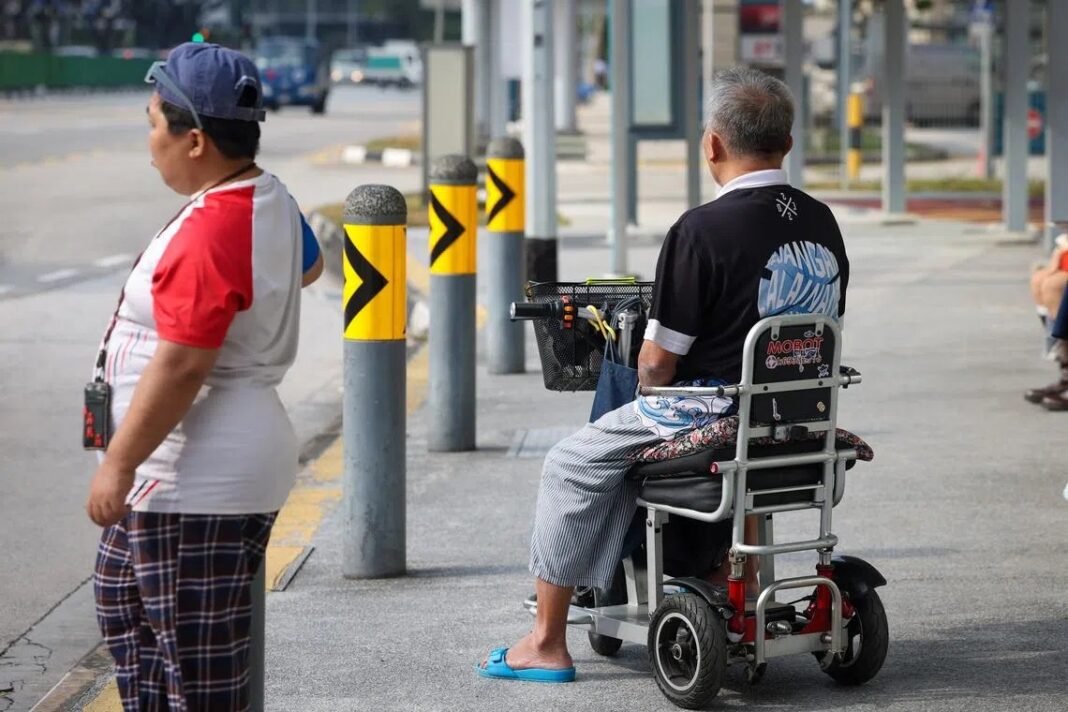
One of the most notable changes in the transport laws is the introduction of requirements for users of mobility scooters. Starting June 1, 2026, individuals utilizing these devices will need to obtain a Certificate of Medical Need. This certification is intended to ensure that only those who genuinely require these mobility aids are permitted to use them, reinforcing safety measures for all path users. Certain exemptions will apply, including to seniors aged 70 and above, simplifying access for this demographic.
Moreover, all new mobility scooters sold from June 1 must be registered at the point of sale. Existing users will have the opportunity to register their scooters beginning in mid-2027, with full enforcement of the registration requirements commencing on January 1, 2029. After this date, operating an unregistered mobility scooter in public areas will become an offence.
Changes to Vehicle Registration and Electronic Road Pricing
In an effort to modernize the road pricing system, the Bill mandates that all Singapore-registered vehicles be fitted with an on-board unit (OBU) by January 1, 2027. This technology will facilitate the transition to a next-generation electronic road pricing system that utilizes satellite technology for real-time toll charging—moving away from the traditional gantry system.
Acting Transport Minister Jeffrey Siow addressed parliamentary queries regarding this shift, confirming that while distance-based charging is under consideration, the immediate focus will be on completing the transition to the updated ERP system. Stakeholders will be informed well in advance of any future changes.
Speed Regulations for Heavy Vehicles
The Bill also addresses the growing concern regarding the safety of pedestrians and cyclists in areas shared with heavy vehicles. It introduces increased fines for offences related to speed limiters and extends penalties for existing violations. The policy aims to mitigate the risks associated with fast-moving heavy vehicles, which can significantly harm vulnerable road users.
Senior Minister of State for Home Affairs Sim Ann highlighted the effectiveness of the speed limiter initiative. Statistics showed a substantial decrease—28%—in speeding-related accidents involving heavy vehicles between 2024 and 2025, largely attributed to a growing compliance with speed limiter regulations.
New Guidelines for Personal Mobility Aids
The guidelines around Personal Mobility Aids (PMAs) have been tightened as well. The speed limit on public paths for PMAs will be reduced from 10 km/h to 6 km/h. Furthermore, oversized PMAs—those exceeding specific dimensions or weight—will be banned from public paths to ensure the safety of all users. This is part of a broader effort to regulate the use of PMAs, ensuring that they serve their intended purpose and are utilized by those who truly need them.
Addressing Concerns Over Data Privacy
As the legislation is implemented, privacy concerns surrounding the usage of transaction and location data through OBUs have also been raised. Minister Siow assured MPs that the Land Transport Authority (LTA) adheres to strict legal standards regarding data-sharing practices. The data collected will be limited to necessary functions, such as payment and enforcement, thereby safeguarding users’ information.
Moreover, the LTA plans to utilize anonymized data for improving traffic management. This initiative could potentially enhance current transport planning strategies, allowing for better optimization of the city’s traffic light systems based on real-time traffic conditions.
Support for Affected Workers
Concerns have been voiced regarding how the new PMA regulations will impact delivery riders and platform workers who depend on these devices. Minister of State Baey Yam Keng clarified that only individuals with verified mobility needs should operate PMAs in a work context, enforcing strict compliance with the new size and speed regulations.
To assist delivery riders transitioning to compliance, the National Delivery Champions Association is set to provide financial aid, helping those affected adapt to the upcoming changes before the June 2026 deadline.
Future Considerations and Community Engagement
As part of the ongoing evaluation of these laws, the Transport Ministry has committed to continuous dialogue with stakeholders to address any arising difficulties. MPs expressed their concerns over the potential for stigma in enforcement situations related to the Certificate of Medical Need, and discussions are underway to ensure sensitivity among enforcement officers.
These legislative changes reflect Singapore’s commitment to improving road safety and accessibility while balancing the needs of various communities and transport modes. With careful planning and community collaboration, the new regulations aim to enhance the overall mobility landscape in Singapore for everyone.