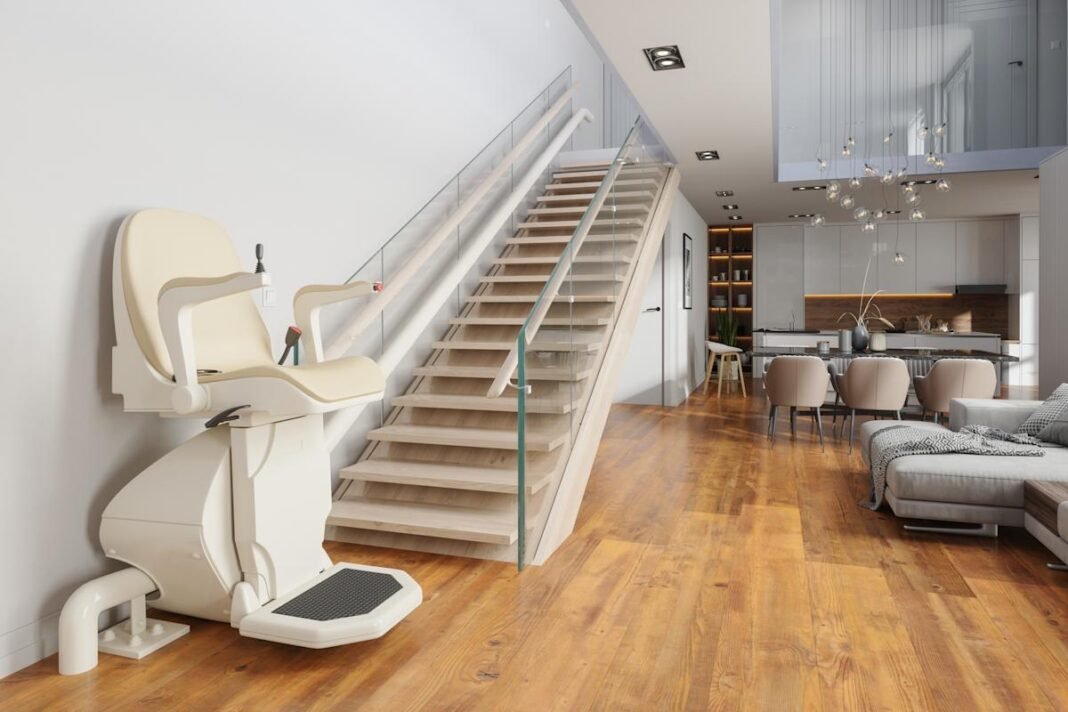
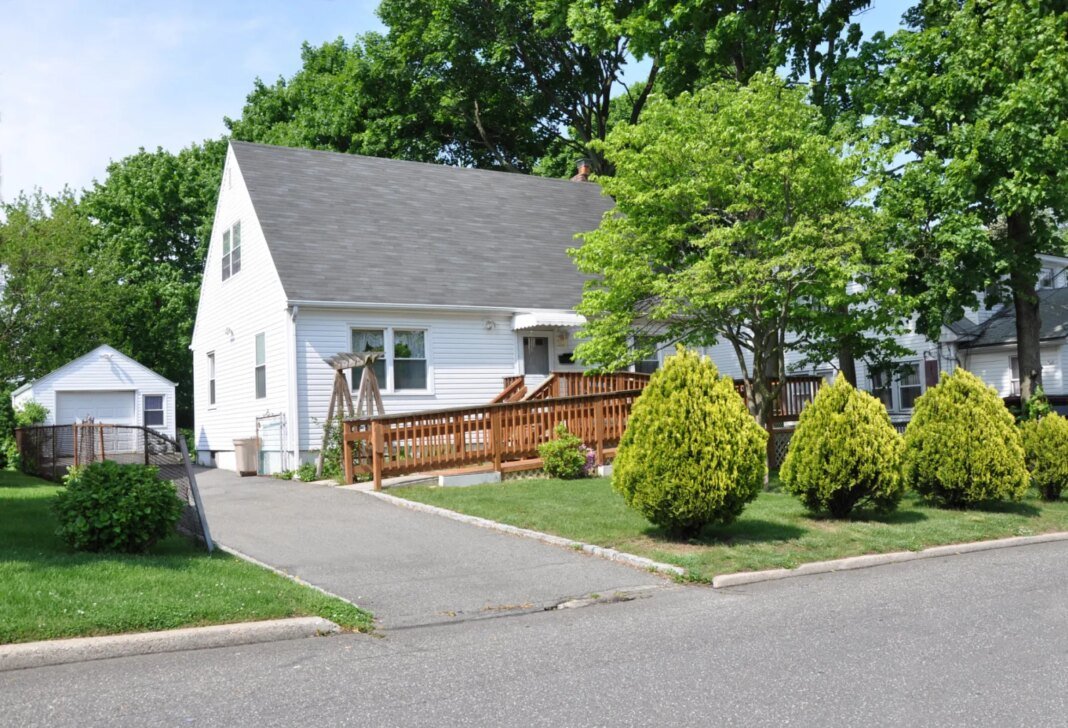

Understanding the Desire of Older Adults to Stay at Home
In a landscape where aging is becoming increasingly common, the preferences of older adults are clear. According to AARP’s recent Home and Community Preferences Survey, a staggering 75% of older adults express a desire to remain in their homes, while 73% want to stay within their communities. Despite this overwhelming sentiment, 44% of respondents believe that a move may be unavoidable in the future. This disconnect raises essential questions about the realities of aging in place and the barriers that make it difficult.
The Impact of Housing Costs and Community Accessibility
One fundamental challenge facing older adults is the combination of rising housing costs and community infrastructures that aren’t tailored to their needs. Rodney Harrell, PhD, AARP’s vice president of family, home, and community, highlights that many localities lack affordable housing options equipped with the features that aging adults require. He notes that the U.S. will soon hold more individuals over 65 than under 18, amplifying the urgency of addressing this issue.
Dr. Harrell asserts, “Many of our communities don’t have the housing that many aging adults can afford.” He stresses the importance of expanding housing stock and creating livable environments. This push for an “all-ages mindset” is essential to accommodate not just older adults but families and younger individuals as well.
Insights from the AARP Survey
Conducted in June and July, the survey involved over 3,000 adults aged 18 and older, marking AARP’s first exploration into this specific topic since 2021. The findings shed light on how people envision their living situations as they age and explore the various housing options they find appealing. Importantly, the survey also examined the needs of caregivers, revealing a wider spectrum of preferences within families.
Key Findings from the Survey
1. Current Satisfaction vs. Future Needs
A notable trend emerges: while 64% of adults aged 18 and older are satisfied with their community resources right now, half of them—50%—do not foresee their needs being met as they age. Particularly concerning is that 44% of adults aged 50 and older anticipate needing to relocate at some point. This highlighted disparity brings to the forefront the urgent need for community planning that adapts to the aging population.
2. The Desire for Community Connection
Community integration is crucial. Older adults yearn for social networks, and 67% of survey participants expressed that being close to family and friends significantly impacts their decision to stay within their community. This aspect underscores the importance of social ties in fostering a sense of belonging and stability.
3. Housing Affordability
Housing remains a critical concern. A majority of respondents identified affordability as a significant barrier to aging in place. If communities do not adapt to provide affordable, accessible housing, the chances of older adults staying in their homes diminish.
4. Interest in Alternative Housing Models
The survey also highlighted a growing interest in alternative living arrangements. For example, co-housing and multigenerational living options are gaining traction among older adults who seek community support while preserving independence. These models not only provide mutual assistance but often create vibrant, interdependent environments.
5. Transportation as a Key Factor
Transportation services also play a vital role in enabling older adults to remain in their communities. 77% of survey respondents noted that access to public transportation is essential for them to maintain independence as they age. Therefore, enhancing public transit and community mobility options is critical for supporting aging residents.
6. Health Services Importance
Proximity to healthcare services is another factor in the decision to age in place. Approximately 70% of respondents indicated that having access to medical care nearby influences their feelings about their community. This highlights the need for localities to improve healthcare availability as populations age.
7. Technology Adoption
Interestingly, the survey also found that older adults are increasingly willing to embrace technology to improve their living conditions. 50% expressed interest in using technology for health monitoring, social interaction, and managing daily tasks. This suggests a shift towards integrating smart home technology as a viable solution for promoting independence.
8. Opportunities for Advocacy
Finally, the survey points to potential avenues for advocacy. Communities have the opportunity to reshape resources and services to better meet the needs of an aging population. Engaging policymakers in discussions about affordable housing, transportation infrastructure, and healthcare facilities can pave the way for more inclusive communities.
In summary, the findings from AARP’s survey illuminate the urgent need for a holistic approach to aging in place. By addressing housing affordability, enhancing community resources, and fostering social connections, we can work towards creating an environment where older adults truly feel at home in their communities.