
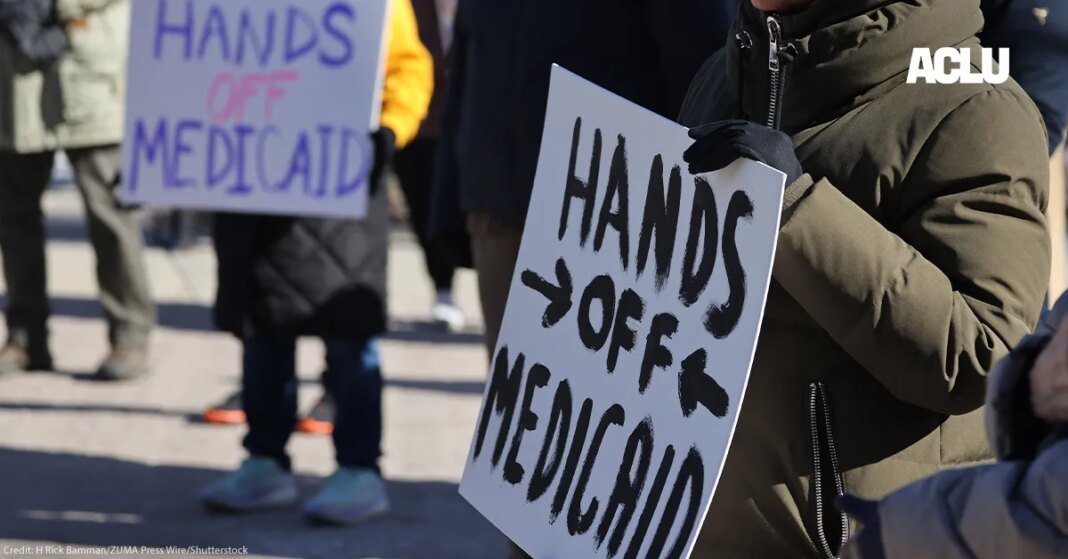

The Looming Threat to Medicaid: A Closer Look
Introduction
The ongoing discussions in Congress have raised alarms about impending cuts to Medicaid, a program that serves as a lifeline for millions of Americans. The House of Representatives recently unveiled a budget resolution proposing over $880 billion in cuts to Medicaid. This development poses significant risks to a vital healthcare resource for tens of millions of people, particularly those with disabilities, affecting access to essential services and support.
The Critical Role of Medicaid
Medicaid is far more than just a health insurance program; it is a cornerstone of America’s healthcare system. Providing a wide array of services, Medicaid supports various populations, including low-income families, seniors, and individuals with disabilities. The potential cuts threaten to destabilize this essential service, leading to dire health outcomes for vulnerable communities.
Impact on People with Disabilities
Of the many groups impacted by Medicaid cuts, those with disabilities face some of the most severe repercussions. Over 10 million individuals with disabilities rely on Medicaid for their healthcare needs, making it the largest provider for this population. The proposed cuts would not only limit access to necessary medical treatment but also jeopardize vital home and community-based services (HCBS). These services allow almost eight million seniors and people with disabilities to live independently, preventing isolation and institutionalization.
The ramifications of cutting HCBS extend beyond the individuals receiving care. Families often rely on these services to manage busy work and home lives. If cuts force individuals into institutional care, family members may have to sacrifice their job commitments—an outcome that threatens economic stability for countless households.
Consequences for Seniors
Medicaid is essential for America’s older adults, especially those requiring long-term care in nursing facilities. Approximately two-thirds of individuals residing in nursing homes are Medicaid recipients. Any cuts to this program could restrict access to quality care, forcing many into precarious situations with limited or no options. The resulting gaps in services could lead to significant declines in care quality, impacting the well-being and dignity of seniors.
Mental Health Services at Risk
Medicaid serves as the primary funding source for mental health and substance use disorder care, providing services to nearly 14 million adults. The program plays a critical role in the fight against the opioid crisis, as it has been linked to a marked increase in treatment access for individuals with opioid use disorder. Research shows that adults with Medicaid are twice as likely to secure treatment for opioid addiction compared to those with no insurance or private coverage. Further cuts could easily reverse these gains, exacerbating the public health crisis.
Impact on Children and Education
The repercussions of Medicaid cuts extend to young people as well. The program supports over $7.5 billion in school-based services for children, including vital support provided under the Individuals with Disabilities Education Act (IDEA). These funds facilitate services from speech-language pathologists, occupational therapists, and school nurses, ensuring children receive the comprehensive health services they need to succeed. As seven out of ten school-aged children accessing mental health services do so in school, the implications of funding cuts could significantly impair their educational experience and overall well-being.
Economic Ramifications
The potential cuts to Medicaid would not only endanger the well-being of those directly reliant on the program but also threaten the livelihoods of the approximately 5 million direct care workers. These essential workers—often low-wage women of color—provide crucial support to seniors and people with disabilities in their daily lives. Reductions in funding would destabilize the workforce, jeopardizing access to long-term care and undermining the quality of support services provided.
Call to Action
As discussions continue in Congress surrounding the budget resolution, it’s critical for individuals to recognize the profound implications of Medicaid cuts. The ACLU urges everyone to take action by reaching out to their representatives, stressing how these proposed changes will impact their communities. Advocacy efforts ensure that the voices of those who rely on Medicaid are heard, fostering a collective push to protect this essential program at all costs.
The future of Medicaid hangs in the balance. It’s a program that not only serves to provide healthcare but also empowers individuals to lead fulfilling lives, engage with their communities, and maintain their dignity. Now is the time for voices to be amplified in defense of Medicaid and its vital role in American society.