

Empowering Seniors Through Mobility: The Maricopa County Human Services Mobility Assistance Program
The Maricopa County Human Services’ Mobility Assistance Program serves as a beacon of hope for seniors grappling with mobility issues. Funded by the Maricopa County Department of Public Health, this initiative is designed to enhance the independence and quality of life for older adults like Dawn Rayfeld, who faces the challenges of severe neuropathy.
Transformative Support for Daily Life
For Dawn, the Mobility Assistance Program was a turning point. With her health constraints limiting her ability to walk and stand, the program provided not just a mobility scooter—affectionately named “Gladys”—but also crucial home accessibility modifications. These improvements enable her to venture out for errands and social visits, activities that many take for granted but can be monumental for someone facing mobility challenges.
Laurie Lyon, Dawn’s caseworker, elaborates on the program’s holistic approach: “Through my assessment, I find out what her needs are, and one of them was her mobility issues.” The focus isn’t solely on providing a scooter; the program explores a suite of modifications to improve safety and accessibility at home.
A Multitude of Services to Enhance Safety
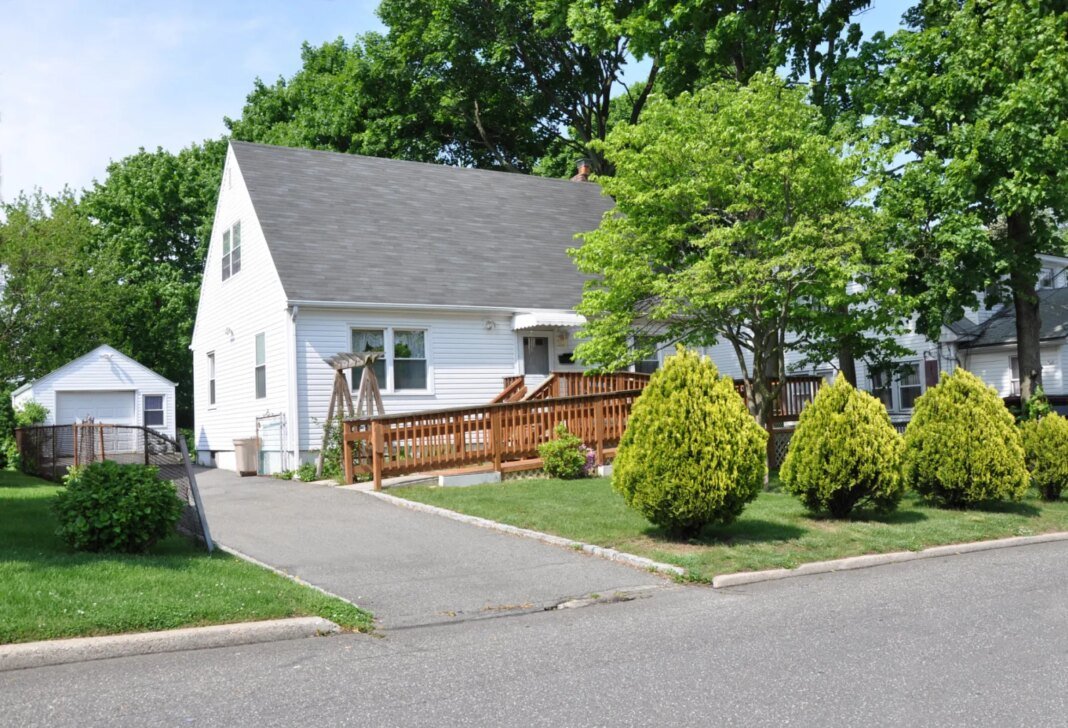
The program offers a range of services beyond just mobility scooters. These include minor home repairs, ramp installations, door widenings, and safety enhancements particularly in bathrooms. Each of these modifications plays a vital role in maintaining a safe living environment. Given that the Centers for Disease Control and Prevention reports that 32,000 seniors die each year from falls, the importance of these adjustments cannot be overstated.
One presenter at a recent meeting highlighted this connection: “Every modification we make helps reduce the risk of falls and improves their mobility.” This reinforces the essential mission of the Mobility Assistance Program: to not only facilitate movement but to prioritize the safety and health of seniors.
Joy in the Journey
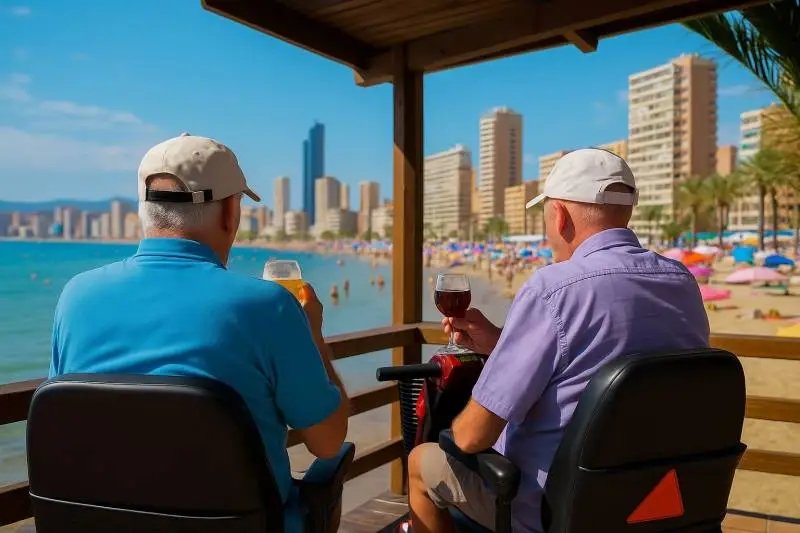
Rayfeld is a vivid example of how the Mobility Assistance Program has transformed lives. With Gladys, she has embarked on adventures beyond her mailbox, traveling to New Mexico and Colorado—a revelation for someone once confined by her health conditions. “I went to places I never thought I could go again,” she shares, her enthusiasm palpable.
The newfound ability to explore and connect with the world has provided a much-needed boost to her emotional well-being, showcasing how mobility can extend far beyond mere physical movement.
A Closer Look at Program Implementation
While the Mobility Assistance Program is gaining attention for its impactful services, details such as program-wide funding totals and specific eligibility criteria remain less defined in public discussions. The initiative focuses on tailoring solutions to meet the individual needs of participants, but comprehensive data on how many seniors benefit each year from the extensive array of services offered is still not specified.
Despite this, the program’s reach appears to resonate with many in the community, with a growing focus on listening to the unique stories of those it serves.
Building Community Around Mobility
At the core of the Mobility Assistance Program lies a commitment to cultivating community. Caseworkers like Laurie Lyon not only conduct assessments but also foster relationships that empower seniors. The personal touch in these interactions transforms the program from a mere service into a supportive network.
Dawn Rayfeld’s testimonial serves as a reminder that mobility solutions can bridge the gap between isolation and engagement. As more seniors like Dawn learn about the available resources, the hope is that they will also find ways to reclaim their independence and, fundamentally, their joy in everyday life.
By focusing on mobility, safety, and community connections, the Maricopa County Human Services Mobility Assistance Program exemplifies a model that can inspire similar initiatives in other regions. The dedicated efforts made to keep seniors active and safe demonstrate the profound difference that thoughtful support can make in their lives.