
The Department of Health has announced the news today

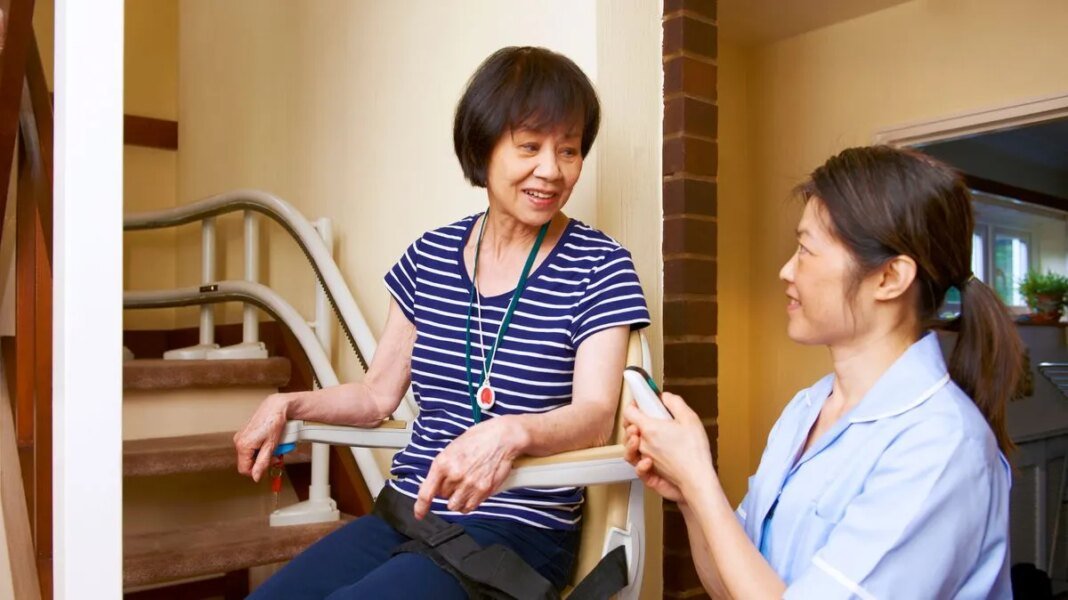
New support is being offered from today over stairlifts(Image: Getty)
In a significant move aimed at enhancing the living conditions of older individuals and those with disabilities, the Department of Health has announced a substantial new funding initiative. Starting immediately, an additional £50 million will bolster the Disabled Facilities Grant (DFG) program for the fiscal year 2025-2026. This funding injection is set to benefit approximately 5,000 individuals, allowing them to make vital adjustments to their homes, such as installing stairlifts, ramps, and accessible bathrooms.
The scope of the DFG isn’t limited to structural changes; it also encompasses various assistive technologies. These include automatic door openers, lifts, height-adjustable surfaces, ceiling track hoists, and smart home technologies that enhance comfort and safety. By distributing this extra funding to local authorities in February 2026, the total DFG funding for the year will reach an impressive £761 million, underscoring the government’s commitment to community support for vulnerable populations.
Every year, the DFG aids around 60,000 older adults and disabled people, providing an average grant of about £10,000. This financial assistance enables recipients to modify their homes to live safely and comfortably. These adaptations can prove to be transformative, allowing individuals to navigate their spaces independently, manage personal hygiene, and maintain connections with family and friends. Such changes remove essential barriers that can hinder a person from living a fulfilling life.
The impact of home adaptations extends beyond individual circumstances; they play a crucial role in supporting the NHS. By facilitating safer living conditions, home adaptations prevent accidents like falls, thereby reducing hospital admissions. They also expedite patient discharges, alleviating some of the burdens on the healthcare system and reinforcing the government’s aim to shift care from hospitals back into communities.
In tandem with this funding announcement, the government is actively reforming adult social care as part of its vision to establish a National Care Service. The initiative includes the most significant adjustment to the Carer’s Allowance threshold since the 1970s and a dramatic financial commitment of around £4.6 billion by 2028-29. This will incorporate £500 million dedicated to the first-ever Fair Pay Agreement, aimed at improving recruitment and retention in the social care sector.
To guide these reforms, Baroness Louise Casey is leading an Independent Commission focused on adult social care, with initial recommendations expected later this year. Central to her mandate is prioritizing the voices of those who utilize care services, alongside fostering cross-party dialogue on the future of adult social care.
Minister of State for Care, Stephen Kinnock, emphasized the importance of home adaptations, stating, “Everyone deserves to feel safe and independent in their own home. A stairlift or an accessible bathroom might seem like a small change, but for thousands of older and disabled people, these adaptations can be life-changing.” Kinnock also highlighted the role of such home modifications in easing NHS pressures, advocating for a shift to community-based care.
Sir Stephen Timms, Minister for Social Security and Disability, framed the funding for the DFG as part of a broader mission to dismantle barriers faced by disabled individuals. He noted, “Thousands of disabled people will have their lives transformed thanks to the changes they’ll be able to make to their homes.” This additional financial support reflects the government’s commitment to creating opportunities for disabled populations across various sectors.
Paul Smith, Managing Director of Foundations, the National Body for the Disabled Facilities Grant, articulated the life-altering potential of proper home adaptations. He remarked, “Every year we see how the right home adaptation can change someone’s life. This extra funding will mean thousands more people get a safer home, faster, helping families to stay together and maintain their independence.”
Cllr Dr. Wendy Taylor MBE, Chair of the Local Government Association’s Health and Wellbeing Committee, added that DFG-funded home adaptations are essential for health management. “They prevent hospital admissions, reduce delayed discharges, support carers, and avoid premature moves into residential care,” she explained, reinforcing the vital role councils play in facilitating independent living for older and disabled individuals.