

What the 2026 Medicare Advantage Changes Mean for Seniors
The landscape of Medicare Advantage is set to shift significantly in January 2026, following new directives from the Centers for Medicare and Medicaid Services (CMS). These changes aim to modify some programs and policies that were introduced in previous years, especially those stemming from a 2018 expansion. Here’s a detailed look at what these changes entail and how they will impact seniors.
Understanding Medicare Advantage
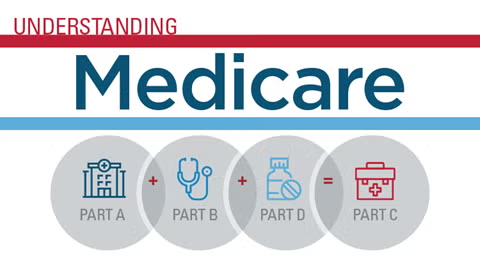
Medicare Advantage plans, often referred to as Medicare Part C, allow seniors to receive Medicare benefits through private insurance companies. These plans typically offer additional coverage beyond what Original Medicare (Parts A and B) provides, such as vision, dental, and wellness programs. The 2018 expansion provided seniors with added flexibility, enhancing their ability to access a wider range of benefits.
The 2026 Changes: A Rollback
In a striking move, the 2026 changes will roll back several aspects of that 2018 expansion. The intent behind this rollback is multifaceted, with aims to improve affordability and ensure program sustainability. However, critics have raised concerns that these changes could limit seniors’ access to vital health services.
New Restrictions on Coverage
One major aspect of the 2026 changes involves new restrictions on what services can be covered by Medicare Advantage plans. For instance, certain benefits that were previously available may now be excluded. This could include certain preventative services and specialized therapies that seniors have come to rely on.
Streamlined Benefits
As part of the changes, CMS is also pressing for a more standardized benefits package across Medicare Advantage plans. While this could simplify the selection process for beneficiaries, it raises concerns about uniformity. Seniors in different regions may find that local plans don’t meet their unique healthcare needs due to this standardization.
Cost Implications for Seniors
Another critical dimension of the 2026 changes revolves around cost. While the goal is to offer more affordable options in some areas, the limitations on coverage could end up increasing out-of-pocket expenses for many seniors. For example, a decrease in coverage for certain medications or treatments could lead to higher overall healthcare costs for individuals who now have to pay for these services out of pocket.
The Role of Premiums and Copays
The changes are also expected to affect premiums and copayment structures. Seniors could see fluctuations in their monthly premiums, depending on the plan they choose. Moreover, high copayments for essential services could deter seniors from utilizing the healthcare they need, leading to potential health risks down the line.
Navigating the New Landscape
Seniors will need to stay proactive in navigating these changes. The open enrollment period for Medicare Advantage plans will be crucial in making informed decisions that cater to individual health needs. Consulting with a healthcare advisor or using online resources can help beneficiaries understand the nuances of their available options post-2026.
Exploring Alternative Coverage
With the upcoming restrictions, seniors might want to explore alternative coverage options. Original Medicare, combined with supplemental plans known as Medigap, may provide a safer and more comprehensive alternative for some. It’s essential for seniors to weigh the potential pros and cons of sticking with their Medicare Advantage plans versus considering other options.
A Call for Advocacy
As these changes unfold, advocacy groups are gearing up to ensure seniors’ voices are heard. It’s vital for the community to engage with local representatives and express concerns about the implications of the 2026 changes. Grassroots movements can play an important role in highlighting the necessity of maintaining robust Medicare Advantage options for seniors.
The Importance of Staying Informed
Staying updated on the latest enhancements and limitations of Medicare Advantage plans is essential for seniors and their families. News articles, social media, webinars, and community meetings are excellent resources for understanding these changes more comprehensively.
By being informed and proactive, seniors can better navigate the impending changes in Medicare Advantage and ensure they receive the healthcare coverage they need.