
The Rise and Challenges of Dockless Electric Scooters in Wisconsin
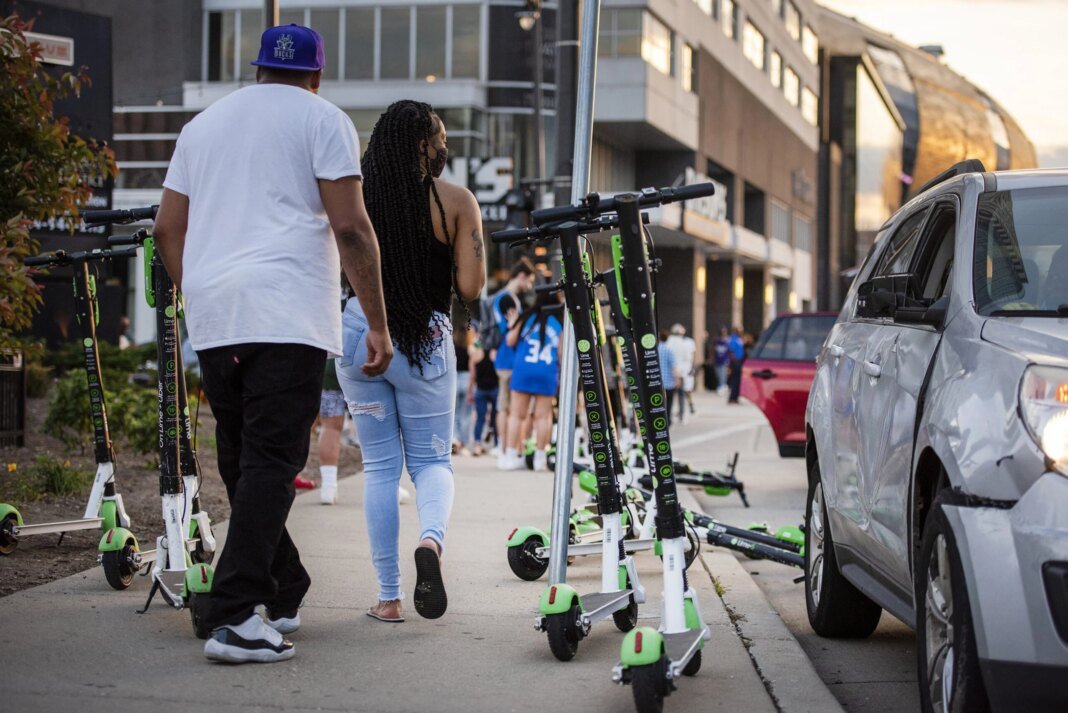
Dockless electric scooters have taken off in Wisconsin, becoming a familiar sight on streets and sidewalks. Initially brought to the forefront by the company Bird Global, Inc. during a tumultuous launch in Milwaukee, this new mode of transportation has spurred a series of legislative changes and varying degrees of success across the state. What started as a controversial pilot program has evolved into a significant transportation option for many, though the journey has not been without its bumps.
Milwaukee’s Rollercoaster Ride
Milwaukee’s experience with electric scooters is emblematic of the complex landscape surrounding this emerging form of transport. The city was initially hesitant, filing a lawsuit against Bird to remove the scooters from its streets. However, after state laws were enacted in 2019 to regulate electric scooters, Milwaukee pivoted to a pilot program aimed at gauging their feasibility. This program proved successful, garnering attention and support from multiple scooter companies.
Milwaukee Senior Transportation Planner Zac Roder observed, “The city understood that scooters were something that could add a lot of options for people to get around.” As safety and operational efficiency were balanced against the eagerness to innovate, the city set careful guidelines to ensure a positive reception from residents.
The statistics from 2023 speak volumes: Lime, one of the primary providers, reported over 450,000 rides, marking a staggering 665% increase from the previous year. The economic implications are significant, with nearly $400,000 generated from the program, which helps improve local infrastructure.
Appleton’s Uncertainty
In contrast to Milwaukee’s successes, Appleton’s experience with electric scooters has been riddled with complications. Originally launched by Bird, the program is now in limbo following the company’s bankruptcy restructuring. City officials are currently evaluating whether to continue their partnership with Bird, especially given reports of late payments and scooters being abandoned in inappropriate places.
Appleton Public Works Director Danielle Block highlighted the concerns, stating, “We recommended we wouldn’t move forward with an agreement until we had a solution in place.” While Bird’s emerging commitment to the city has been noted, the uncertainty surrounding the company’s stability remains a significant hurdle.
Financial Struggles and Market Shifts
Bird’s financial troubles have led to scaled-back operations, although it still operates in larger markets like Green Bay and Whitewater. The company’s retreat from smaller cities, including Janesville, raises important questions about the sustainability of dockless scooter programs in less populous areas.
Janesville Assistant to the City Manager Nick Faust shared impressive ridership statistics, revealing over 10,000 trips taken in a small community. This success story contrasts sharply with the challenges faced by other municipalities, particularly those where local partnerships have faltered.
In Beloit, for example, a local fleet manager ended their relationship with Bird after just one year. Faust hopes that the positive outcomes experienced by Janesville will encourage other scooter companies to consider partnerships in the future.
Local Entrepreneurs Take a Shot
In light of the challenges faced by major players like Bird, some ambitious entrepreneurs in Wisconsin have sought to launch their own dockless scooter operations. The city of Altoona once had an agreement with Robyn Scooters, initiated by Eau Claire resident Carolyn Miller, but that initiative stalled without explanation.
Meanwhile, Tylere Moxon in Oshkosh is attempting to carve out a niche with Foxe Rides, focusing on rentals in smaller cities with a university presence. Moxon is seeking investors to get his project off the ground, yet his plans have faced delays in the past as well.
The Future of Mobility in Wisconsin
The landscape for dockless electric scooters in Wisconsin demonstrates both promise and uncertainty. While cities like Milwaukee embrace the change and rake in benefits, others grapple with the operational and financial realities of these programs. As Wisconsin navigates this evolving transportation landscape, the balance between innovation and practicality remains a central theme in discussions surrounding electric scooters.