
Empowering Seniors to Age in Place: The Role of Home Mobility Devices
Independence: A Core Value for Seniors
Independence is a fundamental aspect of living on one’s own terms, especially for seniors in neighborhoods like South Philly and Levittown. For many older adults, the desire to remain in familiar surroundings is closely linked to their sense of self. It’s important to understand that independence doesn’t solely stem from physical capability; rather, it comes from having the right tools and support systems to navigate daily life safely and fulfillingly.
The Growing Need for Safe Home Environments
As we move toward 2026, the concept of “aging in place” is gaining traction among seniors. Despite this trend, only about 10% of U.S. homes are equipped to address the changing needs of older adults. This creates an urgent demand for practical home safety upgrades that can facilitate long-term independence. With falls being the leading cause of injury-related deaths for those aged 65 and older, it’s critical to make our homes safer and more navigable.
Independence: More Than Just Physical Ability
Independence is often misunderstood as merely the absence of help. In reality, true independence encompasses the removal of barriers that make everyday tasks challenging or risky. National studies reveal that about one in four seniors experience falls each year. Homes are filled with hidden hazards—like steep staircases and slippery bathrooms—that can dramatically increase the risk of falls, unless proactive steps are taken.
A Shift in Perspective on Mobility Devices
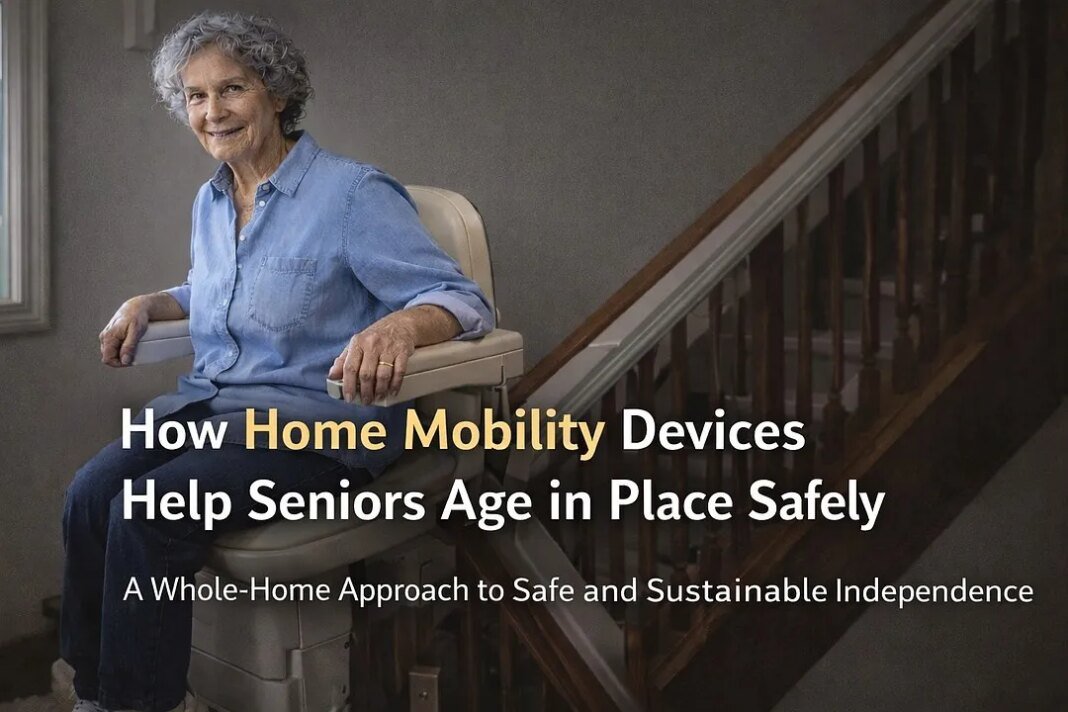
Mobility devices are often perceived as symbols of aging, yet they function primarily as tools for prevention and autonomy. They are designed to reduce risks associated with everyday activities, allowing seniors to lead fuller lives. For instance, stairlifts represent a significant advancement in home mobility, enabling seniors to navigate multi-level homes safely without the fatigue and risk associated with repeated stair climbing.
The Physics of Prevention: Combatting Fatigue
Climbing stairs can be a physically taxing activity, especially for seniors. This fatigue can adversely affect balance and stability, leading to an increased chance of accidents. Mobility devices help mitigate this risk by easing the physical demands of daily tasks. By conserving energy, seniors can focus on what truly matters: self-care, hobbies, and maintaining meaningful relationships.
Stairlifts: A Game-Changer for Home Mobility
Stairlifts serve as a powerful example of how mobility devices enhance home accessibility. A properly installed stairlift eliminates the need for multiple daily trips up and down stairs, providing seamless access to all levels of a home. This ensures that seniors can freely utilize their entire living space, rather than being confined to easier-to-access areas.
For families concerned about finances, opting for a refurbished stairlift from a reputable provider, such as All-Star Lifts, offers a budget-friendly solution without compromising safety or functionality.
The Bathroom: A High-Risk Area
The bathroom is recognized as a high-risk area for falls, where slippery surfaces can exacerbate mobility challenges. Investing in modifications such as grab bars and low-threshold showers can significantly enhance safety. These upgrades aren’t simply utilitarian; modern designs integrate aesthetics with practicality, making these spaces both safe and inviting.
Financially Sustainable Independence
Financial considerations are just as important as physical safety when discussing mobility enhancements. Many seniors worry about the costs associated with mobility upgrades; thus, refurbished options become an attractive alternative, offering significant safety benefits at a reduced price. All-Star Lifts has been serving the Tri-State area since 2003, specializing in customized stairlift solutions tailored to meet individual needs while emphasizing safety.
Their stairlift buy-back program provides additional financial flexibility, allowing families to recoup some costs should they decide to sell their home or relocate.
A Systematic Approach to Independence
Achieving true independence requires a systematic approach that fosters an environment where daily activities can occur without undue risk. Homes designed with accessibility in mind not only preserve mobility and dignity but also contribute to a better overall quality of life. Mobility devices like stairlifts do not isolate seniors from their homes; instead, they help fully integrate them into their living spaces, allowing them to enjoy their communities.
The Benefits of Reducing Fall Risks
Investing in mobility solutions also alleviates concerns for caregivers and family members. Lowering the risks associated with falls leads to fewer injuries, reduced stress levels, and a markedly improved quality of life for everyone involved.
Conducting a Home Independence Audit
For those assisting aging loved ones, starting with a Home Independence Audit is an essential first step. This comprehensive evaluation goes beyond identifying isolated issues, assessing the home as an entire system. It helps pinpoint potential hazards and suggests modifications that could make a substantial difference.
A professional audit can clarify whether modifications such as stairlifts or bathroom improvements could enhance long-term independence.
Aligning Home Environments with Safety Tools
As fall prevention continues to gain attention as a significant public health issue, aligning home environments with the right safety tools becomes imperative. By addressing these needs, seniors can maintain their independence, comfort, and connection to the communities they cherish.