

The Rise of Enclosed Mobility Scooters in Northern Ontario
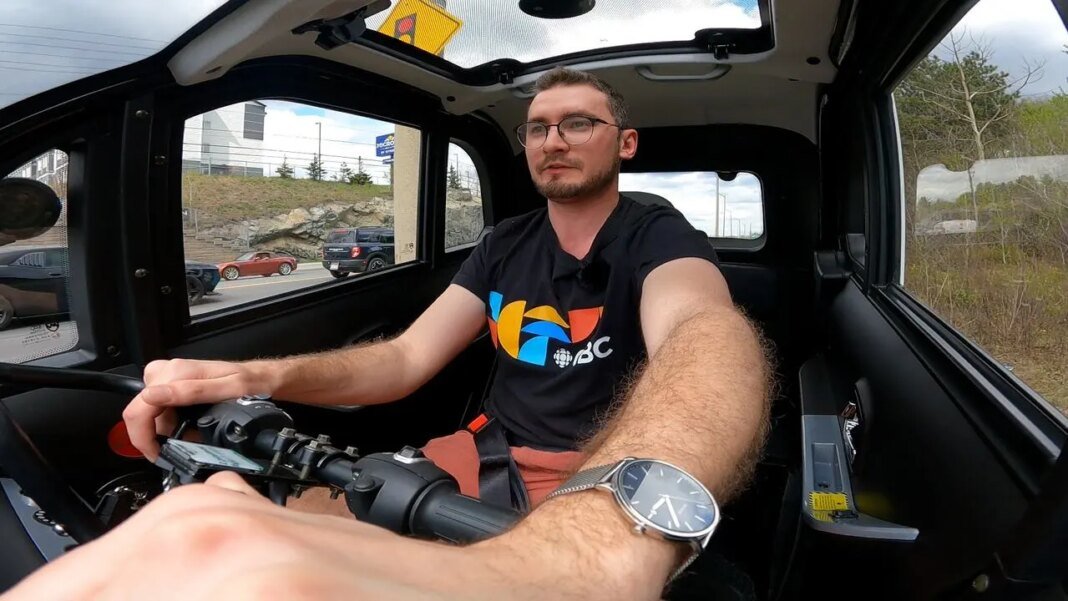
Enclosed mobility scooters are emerging as a popular mode of transportation in northern Ontario. These compact vehicles resemble miniature cars and can reach speeds of up to 30 kilometers per hour. Featuring amenities like air conditioning and power windows, they offer a comfortable driving experience. However, their legality on public roads raises essential questions for users and authorities alike.
Understanding the Legal Status
According to Howard Lightle, an associate lawyer with Orendorff and Associates in Sudbury, enclosed mobility scooters are classified as pedestrian vehicles unless modified for higher speed or power. This distinction means that users are not allowed to drive them on the roads, paralleling the regulations that apply to bicycles.
While they may look like cars, it’s crucial to understand that these scooters typically lack insurance under automobile policies. Lightle notes that, in the event of a crash, most homeowners or tenant insurance policies will cover enclosed scooters, but it’s a grey area that requires attention.
Concerns Among Law Enforcement
The concerns surrounding these mobility scooters are echoed by North Bay Police Constable Douglas MacIntosh, who sees them increasingly on busy city streets, including the Trans-Canada Highway. He warns of their minimal impact protection, stating that they do not meet standard car crash regulations.
As many drivers treat these scooters like cars, police have begun to stop them during patrols. However, recognizing the novelty of these vehicles, officers have opted to provide warnings rather than immediate fines, aiming to foster education about safe driving practices. MacIntosh emphasizes that colliding with a motor vehicle poses a significant danger for scooter users, who are unlikely to survive such incidents.
Rules of the Road
Under current regulations, all enclosed mobility scooters should operate on sidewalks or the left shoulder of the road while facing oncoming traffic. This situation creates confusion, especially since some electric vehicles classified as “low-speed” are considered road-legal. Ontario Provincial Police Constable Rob Lewis highlights this as an area where the law has yet to adapt to modern vehicles, stating, “These vehicles are ahead of the laws.”
Education and Awareness
Gilbert Foucault, owner of Sudbury E-Bike, sells a brand of these scooters called the Daymak Boomerbuggy. He takes strides to educate every customer about the rules of the road before they leave the store. “We don’t want you thinking that it’s a car,” he asserts, emphasizing the importance of understanding legal limitations.
This education often protects customers from potential hazards associated with misusing their scooters. Foucault notes, however, that individuals purchasing scooters online or secondhand may miss out on this crucial information, leaving them to navigate a complex legal landscape on their own.
A Growing Trend of Independence
Despite the ambiguities surrounding their usage, Foucault anticipates increased popularity for enclosed mobility scooters as they provide independence for people, especially those who have lost their driver’s licenses. “When you lose your driver’s licence, it’s a hard hit for most people. This just allows them to continue on with their independence for a longer period,” he explains.
The trend indicates a shift in how mobility can be perceived, paving the way for greater acceptance and potentially new regulations that could clarify the legality of enclosed mobility scooters on public roads.