
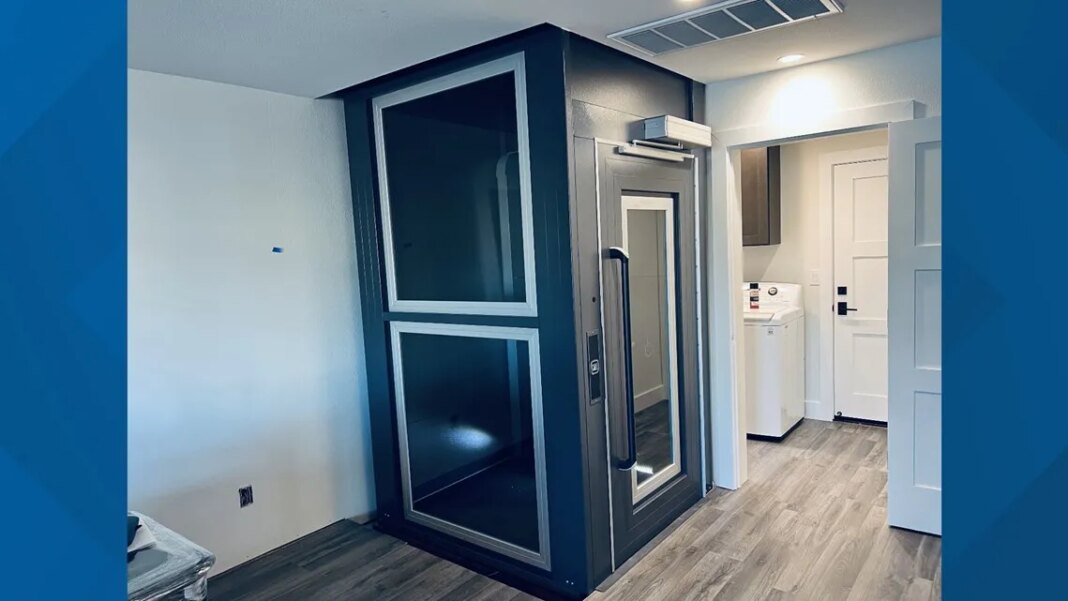

Elevators in Sacramento Homes: Insights from Experts
SACRAMENTO, Calif. — Interest in home elevator installations has surged recently. A Rancho Cordova-based mobility solutions company reports an uptick in requests, prompting discussions around the reasons, costs, and market implications of such installations.
The Growing Demand for Elevators
Chris McIlwain, founder of McIlwain Mobility Solutions, is witnessing increased demand for home elevators. Since establishing his company in the early 2000s, McIlwain has noted a significant rise in homeowners looking for ways to improve accessibility. “Most of our jobs are within an hour radius from our Rancho Cordova shop, but we will go almost anywhere in California,” he stated.
The primary motivation for installing elevators? To provide mobility solutions for individuals using wheelchairs or scooters. For those not requiring full wheelchair access, reasonably-priced stair lifts often serve as a practical alternative. “Typically, when people see the overall cost of an elevator, they usually opt for a stair lift or a vertical platform lift,” he explained.
Pricing Structures
The cost of home elevators can vary widely based on numerous factors. McIlwain offers options ranging from a basic model—capable of holding around 845 pounds at approximately $56,000—to high-end models priced near $125,000, with similar weight capacities. In contrast, vertical platform lifts may range from $12,000 to $17,000, depending on specific requirements, with more advanced features pushing costs to around $30,000 for units with 10-foot capabilities.
Home Elevators and Their Impact on Real Estate
However, the presence of an elevator doesn’t automatically translate to a higher property value, according to local market analyst Ryan Lundquist. He notes, “Home elevators are pretty uncommon in the local marketplace, often found only in larger, high-end homes.” This rarity means that most buyers do not expect an elevator feature when house shopping.
Lundquist recalls seeing a custom-built home in Folsom equipped with an elevator, particularly designed for aging in place. “People tend to downsize to single-story homes rather than install elevators,” he said. In a survey of local listings, he observed elevators appearing mostly in custom homes, with limited instances in midtown or condo-adjacent properties.
Legal Considerations
In California, state law generally exempts single-unit private home elevators from strict safety regulations, a factor that could change, potentially increasing future installation costs, McIlwain warned.
Aging in Place Trend
The desire to age in place is influencing the elevator market nationally. Companies, such as Pneumatic Vacuum Elevators (PVE), report increased global demand from homeowners wanting to remain in their residences longer. According to Patrick De Ledebur, who manages PVE’s sales and marketing, advancements in healthcare are enabling longer lifespan, which translates to a greater desire for home mobility solutions. PVE’s Sacramento-area installations demonstrate this trend, with each custom-built unit varying in price—starting around $31,500 for basic models.
Construction Trends
Builders are increasingly accommodating the aging population by designing homes with primary living spaces on one level. Lundquist emphasizes that many buyers seek out single-story homes with the intent of aging there, particularly as younger, first-time buyers often overlook these considerations.
Marketing Elements
Despite limited expected returns on investment, real estate agents recognize the marketing implications of elevators. Lundquist mentions that while he hasn’t often seen elevators installed, their presence would certainly be highlighted by agents in listings. “I’ve seen people install chairs on stairs for accessibility, but an elevator is a significant expense and a rare addition,” he concluded.
Conclusion
Although the installation of home elevators is on the rise in Sacramento, their influence on real estate values remains limited. Factors such as costs, demographic trends, and market expectations continue to shape the conversation around residential accessibility solutions.