
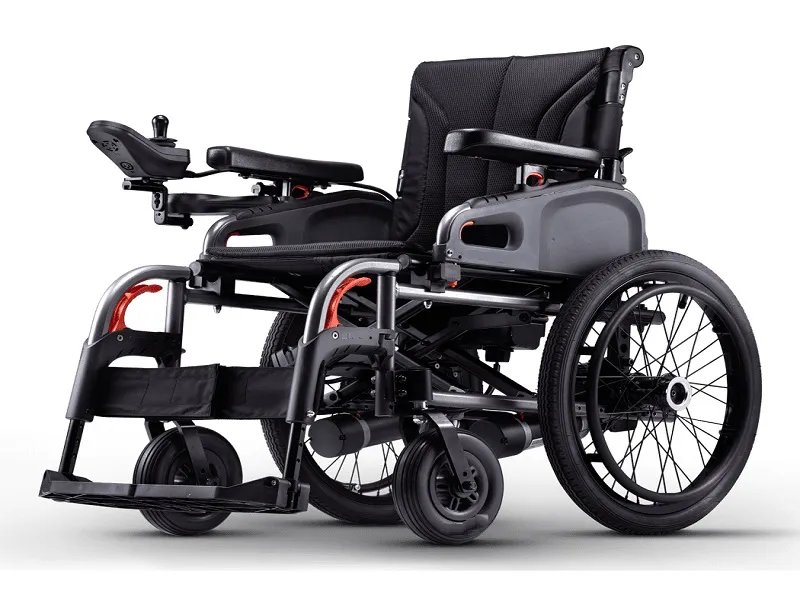

The Electric Wheelchair Market: An Emerging Landscape
Introduction to Electric Wheelchairs
The Electric Wheelchair Market has experienced remarkable growth in recent years, driven primarily by the increasing demand for innovative mobility solutions tailored for individuals with disabilities and the burgeoning aging population. Commonly referred to as power wheelchairs, these battery-operated mobility devices are designed to assist those who struggle with walking due to various physical challenges, neurological disorders, or age-related conditions. Unlike their manual counterparts, electric wheelchairs afford users significant independence, comfort, and mobility, facilitated by joystick or digital controls.
Market Dynamics
Aging Population: A Key Driver
One of the most substantial factors contributing to the growth of the electric wheelchair market is the rising global aging population. As life expectancy continues to rise, older adults are more likely to encounter mobility limitations caused by conditions like arthritis, muscular dystrophy, and other degenerative diseases. This demographic shift necessitates greater accessibility to assistive mobility devices, propelling demand for electric wheelchairs.
Rising Incidence of Disabilities
The increasing prevalence of disabilities due to accidents, chronic diseases, and neurological disorders also shapes market dynamics. Healthcare professionals are increasingly endorsing electric wheelchairs, emphasizing their role in enhancing independence and reducing reliance on caregivers, which significantly improves patients’ quality of life.
Technological Innovations
Technological advancements are revolutionizing the electric wheelchair industry. Modern power wheelchairs now boast features such as smart navigation systems, obstacle detection, adjustable seating, improved battery life, and even connectivity with mobile devices. Such innovations enhance user experience and safety, further propelling market demand.
Supportive Policies and Accessibility
Supportive government initiatives and favorable healthcare reimbursement policies also encourage the adoption of electric wheelchairs. Improved healthcare infrastructure and rising awareness of assistive technologies contribute to the overall market growth trajectory. However, it’s essential to acknowledge that challenges like high costs and limited access to these technologies, especially in developing regions, are critical factors influencing market dynamics.
Competitive Landscape
The electric wheelchair market is populated by several key players, including:
- GF Health Products (US)
- Sunrise Medical (Germany)
- Quantum Rehab (US)
- Permobil AB (Sweden)
- Pride Mobility Products Corp (US)
- Invacare Corporation (US)
- Drive Medical (US)
- Ottobock (Germany)
- Levo AG (Switzerland)
- Karman Healthcare (US)
These companies are at the forefront of innovation, continuously improving their offerings to adapt to changing consumer needs.
Emerging Trends
Smart and Connected Wheelchairs
The trend towards the development of smart and connected wheelchairs is one of the most exciting aspects of the market. Manufacturers are integrating artificial intelligence and sophisticated navigation systems, which enable users to navigate their surroundings with greater safety and efficiency. Features like automatic braking, obstacle avoidance, and GPS tracking are now common, giving users enhanced independence.
Lightweight and Portable Options
Another burgeoning trend is the focus on creating lightweight and portable electric wheelchairs. By utilizing advanced materials such as aluminum alloys and carbon fiber, manufacturers are reducing the overall weight, making it easier for users to transport their wheelchairs. Foldable and travel-friendly designs are increasingly popular among frequent travelers.
Customization for User Comfort
Customization has emerged as a major focus for manufacturers aiming to meet varying user needs. Options for adjustable seating, modular components, and ergonomic designs cater to individual preferences, enhancing comfort and usability. Furthermore, the adoption of longer-lasting lithium-ion batteries has extended the range and efficiency of electric wheelchairs, making them more user-friendly.
Key Findings
Recent reports reveal several pivotal findings regarding market growth:
- Significant expansion in the electric wheelchair market is linked to the rise in mobility-related disabilities.
- The aging population is a critical factor in the increasing demand for powered mobility devices.
- Technological innovations, such as smart navigation and AI capabilities, are reshaping the industry landscape.
- Awareness about assistive mobility solutions is growing among healthcare providers and patients alike.
- Lightweight and portable wheelchairs are gaining traction for their convenience.
- Enhanced battery technology is improving performance and operational ranges.
- Supportive healthcare reimbursement policies in developed nations are aiding market growth.
- Increasing investments in R&D are accelerating product innovation.
- There is a rising focus on user comfort, safety, and product differentiation.
- Emerging markets are expected to present significant growth opportunities.
Challenges in the Market
Despite its positive outlook, the Electric Wheelchair Market encounters challenges that could hinder its expansion. A primary concern is the high cost associated with advanced electric wheelchairs, which can include sophisticated electronics and custom features. For many individuals in developing countries, such expenses remain prohibitive—especially when healthcare insurance is limited.
Accessibility infrastructure poses another challenge. Many areas, particularly in developing economies, lack facilities designed to accommodate wheelchair users, which curtails practical usability. Additionally, maintenance and repair services often require specialized technical support, which may not always be readily available.
Opportunities for Growth
Looking ahead, the Electric Wheelchair Market offers numerous opportunities. A significant potential lies in advancing smart mobility technologies. Innovative integration of artificial intelligence, robotics, and autonomous navigation systems could enhance independence for individuals with severe disabilities, allowing them to navigate complex environments safely.
Furthermore, expanding operations in emerging economies presents a crucial opportunity. As healthcare infrastructure improves and awareness about assistive technologies grows in regions like Asia, Latin America, and Africa, demand for electric wheelchairs is likely to rise. With rising disposable incomes and government initiatives focused on disability inclusion, these markets could become key players in the global landscape.
Moreover, advancements in battery technology and lightweight materials create avenues for manufacturers to produce more efficient and affordable products. Telehealth integration and remote monitoring systems also offer new possibilities for enhancing patient mobility management. By embracing these opportunities, companies can unlock significant growth in the electric wheelchair market.
Regional Analysis
North America: A Major Market Player
North America stands as one of the most significant markets for electric wheelchairs, thanks to its robust healthcare infrastructure and heightened awareness of assistive mobility devices. The region, particularly the United States, has a substantial population of elderly individuals and those experiencing mobility-related disorders—a factor that consistently drives demand for electric wheelchairs.
U.S. government programs and healthcare reimbursement policies provide financial support to many patients desiring advanced mobility devices, often granting access to otherwise unaffordable options. Furthermore, the presence of leading manufacturers and continuous investments in R&D foster an environment ripe for product innovation. Companies are increasingly introducing advanced electric wheelchairs outfitted with smart control systems and improved comfort features to cater to evolving user needs.
Canada’s Contribution
Canada also plays a vital role in market growth, largely due to supportive healthcare policies and the rising awareness of assistive technologies. Regulations enhancing accessibility and initiatives advocating for disability rights have bolstered mobility options for those reliant on wheelchairs. A strong distribution network and increased adoption of home healthcare solutions further bolster this market. As the aging population expands and technological innovations accelerate, North America is set to maintain its influence in the global electric wheelchair market.