
Safety Concerns Surrounding Electric Wheelchairs in Singapore
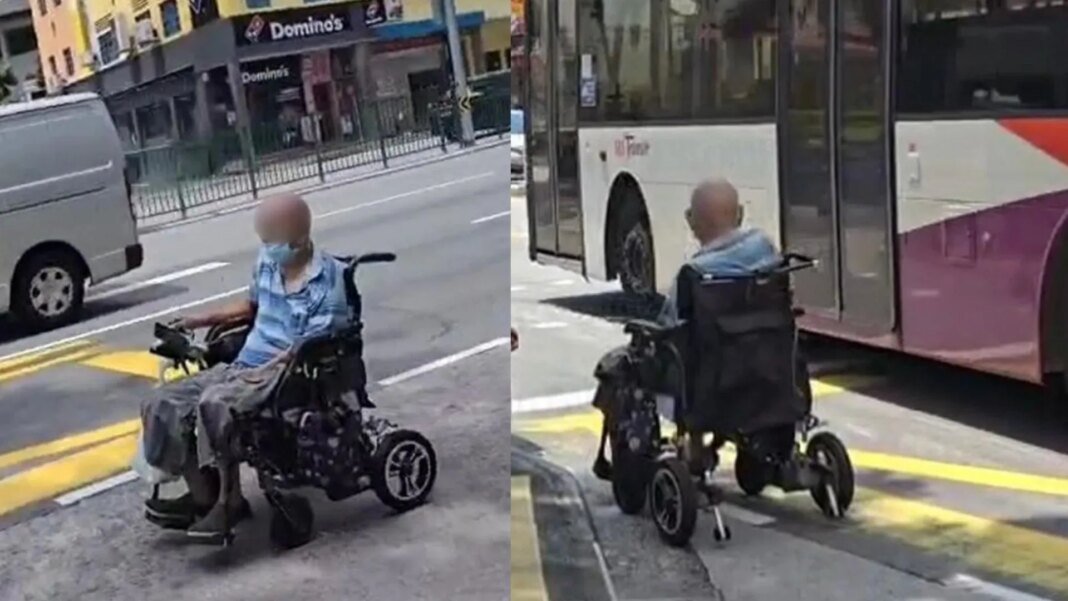
In recent days, a video surfaced online depicting an elderly man riding his electric wheelchair on a busy road in Balestier, sparking reactions from concerned netizens. The footage shows the man navigating across a bus bay near Giffard Mansion before waiting at a pedestrian crossing for the traffic light to change. While waiting for the green light, many viewers shared their worries about his safety, questioning why he chose to venture onto the road instead of using the footpath.
The Incident in Balestier
The video highlights a dilemma faced by many seniors and individuals with mobility challenges. As seen in the recording, the elderly man crossed the road legally at the designated pedestrian crossing. However, after reaching the other side, he turned back onto the roadway, prompting questions about his motivations. One netizen even questioned, “Is he tired of living? Waiting for an accident to happen. Then whose fault?” Such sentiments reveal a growing concern over pedestrian and mobility aid safety in urban settings.
Regulations for Personal Mobility Aids in Singapore
Singapore has clear regulations regarding the use of personal mobility aids (PMAs), including electric scooters and wheelchairs. Electric scooters, for instance, are allowed only on cycling paths and are prohibited from operating on roads and sidewalks. Ignoring these rules can result in hefty fines or even imprisonment. This strict regulation aims to ensure the safety of all road users, including pedestrians and riders.
Requirements for Electric Scooters
Electric scooters must meet several stringent criteria to be considered roadworthy. They need to carry a UL2272 safety certification, ensuring they are safe and reliable for personal use. Furthermore, guidelines stipulate that these scooters should weigh no more than 20 kg, should not exceed a width of 70 cm, and must maintain a speed limit of 25 km/h. Registration with the Land Transport Authority (LTA) is also mandatory, but currently, only businesses can apply for this privilege—not individual riders.
Electric Wheelchairs: The Grey Areas
Unlike electric scooters, electric wheelchairs fall under the category of personal mobility aids. Unfortunately, these devices are also prohibited from being used on roads, leading to confusion among users. Wheelchairs and other PMAs, such as mobility scooters for the elderly, are permitted to board public transportation services like buses and the MRT/LRT, which is a crucial aspect for maintaining mobility among seniors.
Safety Guidelines for Wheelchairs
To ensure safety, electric wheelchairs must adhere to certain specifications: they should not exceed a length of 120 cm, a width of 70 cm, or a height of 150 cm. The combined weight of the mobility aid and the user must not be more than 300 kg. These guidelines are designed to provide safe and efficient transit options for those requiring assistance.
The Broader Implications of the Incident
The incident in Balestier echoes a larger conversation about mobility for the elderly and physically challenged individuals in Singapore. As the aging population in the nation continues to grow, public awareness about the challenges these individuals face is critical. Discussions surrounding this topic can lead to improved public infrastructure, as well as heightened empathy and understanding among the community.
The Role of the Community
As pedestrians, urban planners, and citizens, everyone has a role to play in creating a safe environment for all road users, including those using personal mobility aids. Increased community awareness can significantly impact the safety and well-being of vulnerable populations.
The recent viral video, while concerning, serves as a catalyst for dialogue regarding safety regulations and available support for those relying on mobility aids. As Singapore navigates this complex issue, it is crucial to foster a shared commitment to the safety and dignity of all individuals in public spaces.