
Ontario’s E-Scooter Pilot Program: Controversy Surrounds Its Extension
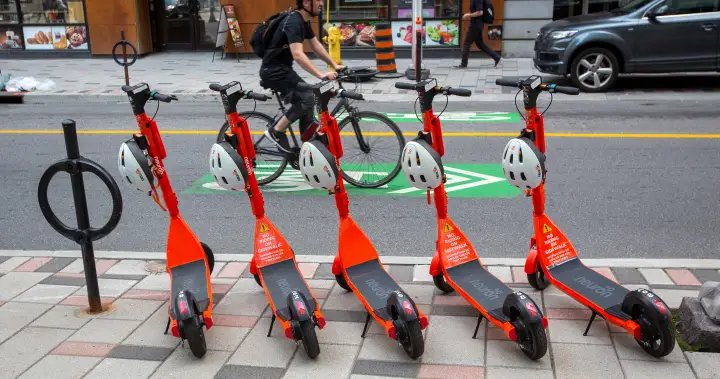
Ontario’s recent decision to extend its electric scooter (e-scooter) pilot program until the end of the decade has sparked significant controversy. Critics argue this extension represents not only a lack of transparency but also a disregard for the concerns of vulnerable populations, particularly those with disabilities and older adults.
Background of the Pilot Program
The e-scooter pilot was first introduced by the Ford government in January 2020, allowing municipalities to opt in and establish their own regulations for e-scooter usage. The initiative aimed to enhance micro-mobility options as cities grappled with congestion and pollution. Initially set to run for five years, the pilot program was intended to collect data and assess the impact of e-scooter integration into urban environments.
Extension with Little Scrutiny
As the pilot approached its original expiration date in November 2024, the government quietly decided to extend it for an additional five years. This decision has not gone unnoticed by advocates for people with disabilities. David Lepofsky, chair of the Accessibility for Ontarians with Disabilities Act Alliance, describes the extension as a “complete slap in the face” to those who may be disproportionately affected by the presence of e-scooters on the streets.
Concerns Raised by Advocates
Advocates like Lepofsky have raised alarms since before the pilot’s inception, warning that electric scooters could pose serious risks to pedestrians, particularly seniors and those with visual impairments. He emphasizes that the data collected over the past five years should have been enough to demonstrate the dangers e-scooters present, arguing that there is ample evidence to conclude that these vehicles endanger vulnerable individuals.
Lepofsky’s recurring message has consistently been that the pilots were established without sufficient safeguards to protect those who might suffer from their presence on public streets. He notes that despite his persistent efforts to meet with transportation officials, his warnings have been largely overlooked.
Mixed Reactions Among Municipalities
While Toronto remains resistant to introducing e-scooters, other cities like Ottawa, Mississauga, and Brampton have opted into the pilot. The decision by some municipalities to join the program is rooted in a desire for modern transportation options, but the concerns articulated by Lepofsky and others provide a stark contrast to the momentum behind e-scooter integration.
A representative from the Ministry of Transportation stated that only 16 municipalities had opted into the pilot so far, suggesting that the impending expiration date likely deterred others from participating. This indicates that there remains a level of hesitance among municipalities regarding the benefits versus the risks associated with e-scooters.
Legislative Implications
The extension raises questions about the ethics and legality of continuing a program without implementing robust legislation to support it. Critics, including Ontario NDP Leader Marit Stiles, argue that the government is evading accountability by opting for pilot extensions rather than openly debating and legislating the use of e-scooters. This sentiment echoes concerns about transparency and public involvement in policy formulation.
Stiles argues for a more proactive approach, suggesting that the government should leverage data from the pilot to construct comprehensive policies that prioritize safety for all citizens, especially those who might be jeopardized by the presence of e-scooters.
Data Collection Concerns
The Ministry of Transportation has defended the extension by claiming it will provide an opportunity for more cities to join the pilot, thereby enriching the data pool for analysis. They intend to work closely with local municipalities to develop a cohesive approach to data collection and reporting. However, Lepofsky contends that using a pilot program to gather data indefinitely serves more as a means to avoid legislative scrutiny than as a genuine effort to address the concerns raised.
In summary, while the e-scooter pilot program has gathered interest as a means of modern transportation, the concerns it raises about safety, accessibility, and governmental transparency beg for a more nuanced discussion. The future of mobility in Ontario must be balanced against the need to protect the most vulnerable members of society while adapting to new technological trends.