
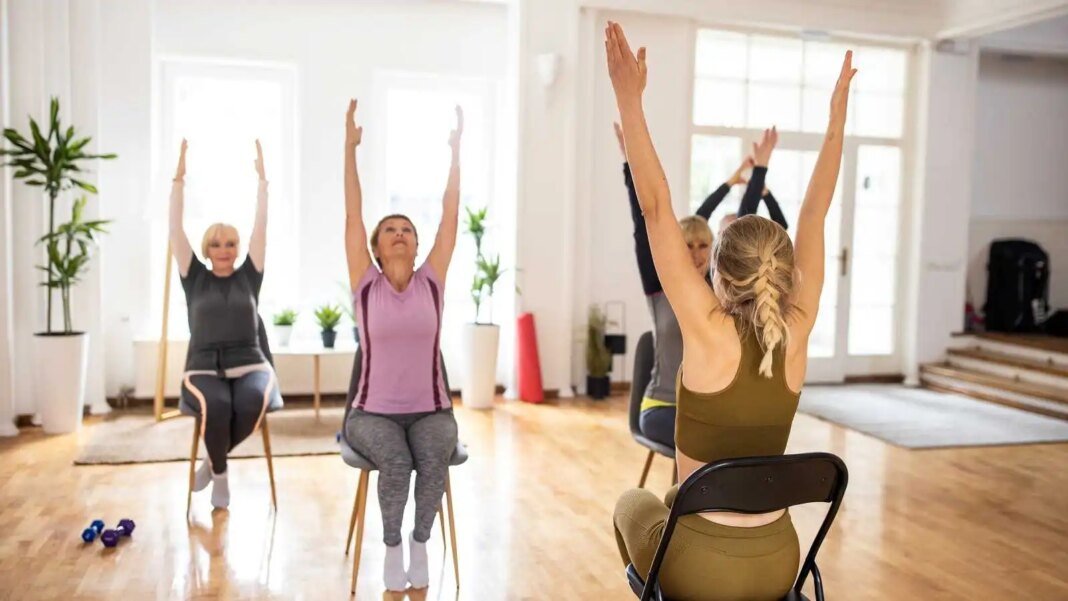

The Transformative Power of Chair Yoga for Alzheimer’s Patients
World Alzheimer’s Day, observed annually on September 21, serves as a poignant reminder to raise awareness about Alzheimer’s disease and the challenges faced by those living with it. As families navigate this emotionally taxing journey, they often witness their loved ones losing not only their memory but also their mobility, balance, and focus. However, amidst these challenges, one accessible and joyful practice stands out: chair yoga.
Chair Yoga: A Gentle Approach to Wellness
Chair yoga makes physical activity safer and more manageable for those who may struggle with traditional yoga due to mobility constraints. Dr. Yogrishi Vishvketu, a renowned yoga educator, emphasizes that “chair yoga brings the ground closer” to patients, allowing them to engage in gentle movements that enhance both body and mind. This practice combines stable sitting, simple exercises, and mindful breathing techniques, promoting a state of calm and connection.
Health Benefits of Chair Yoga
Incorporating chair yoga into the routine of Alzheimer’s patients can yield a plethora of health benefits:
- Safe Mobility: Patients can practice yoga without the fear of falling, making it a safer alternative to standing or floor exercises as highlighted by the American Journal of Lifestyle Medicine.
- Improved Circulation: The gentle movements facilitate blood flow, nourishing both muscles and joints.
- Enhanced Focus: By centering attention on breathing and movements, chair yoga encourages moments of mindfulness, fostering mental clarity, as reported by News in Health.
- Emotional Connection: Engaging in shared yoga practice can deepen the bond between caregivers and their loved ones, providing a powerful avenue for connection.
What Chair Yoga Exercises Are Best for Alzheimer’s?
Dr. Vishvketu suggests several gentle chair yoga exercises that not only promote physical health but also nurture emotional bonds:
1. Joint Mobility Flow
Why it helps: Simple movements keep joints flexible and reduce stiffness, crucial for those who may sit for extended periods.
- Neck Rolls: Slowly circle the head in one direction and then switch.
- Shoulder Rolls: Lift shoulders toward the ears, then roll them back and down.
- Wrist Circles: Extend arms forward and rotate wrists in both directions.
- Ankle Circles: Lift one foot and rotate the ankle, then switch sides.
2. Seated Cat-Cow (Marjariasana)
Why it helps: This exercise maintains spinal flexibility, aids in breathing, and improves posture awareness.
- Sit tall with feet grounded.
- Inhale while arching your back and opening the chest.
- Exhale while rounding the spine and drawing your chin in.
3. Seated Twist
Why it helps: Encourages spinal mobility and stimulates digestion, according to the National Spine Health Foundation.
- Sit up straight, placing your right hand on your left knee and your left hand behind you.
- Inhale to lengthen your spine; exhale to gently twist.
- Repeat on the other side.
4. Seated Side Bend (Ardha Chandrasana)
Why it helps: Opens the ribcage, improving lung capacity and stretching the side body.
- Place your right hand on the seat, inhale, and lift your left arm overhead.
- Exhale while bending gently to the right; repeat on the other side.
5. Bhramari (Humming Bee Breath)
Why it helps: This practice helps calm the nervous system, reduces stress, and promotes relaxation.
- Inhale gently through the nose.
- Exhale with a soft “mmm” sound, feeling the vibrations in your head and chest.
Wrap up with a minute of Bhramari, allowing the soothing sounds to usher a serene stillness, which can be incredibly healing.
Tips for Effective Chair Yoga Practice
To ensure effective and beneficial chair yoga sessions for both patients and caregivers, consider the following tips:
- Keep it Short: Sessions of 5–15 minutes are often sufficient for impactful practice.
- Establish a Routine: Practicing at the same time each day can foster comfort and predictability, especially if you incorporate favorite music.
- Celebrate Effort: Focus on participation rather than perfection; each breath contributes to progress and well-being.
- Join In: Practicing together fosters trust and strengthens the caregiver-patient bond.
The Role of a Healthy Lifestyle in Alzheimer’s Prevention
Research published by the Journal of Prevention of Alzheimer’s Disease indicates that adopting a well-rounded lifestyle can significantly benefit Alzheimer’s patients. This includes regular physical activity, an anti-inflammatory diet, mindfulness practices, and maintaining meaningful social connections. Chair yoga seamlessly fits into this holistic approach, enhancing physical health, mental clarity, and emotional well-being.
Incorporating chair yoga into the daily lives of Alzheimer’s patients can serve as a beacon of hope, fostering movement, connection, and mindfulness in a supportive and loving environment.