
Mobility Scooters: Enhancing Independence and Safety for the Less Mobile
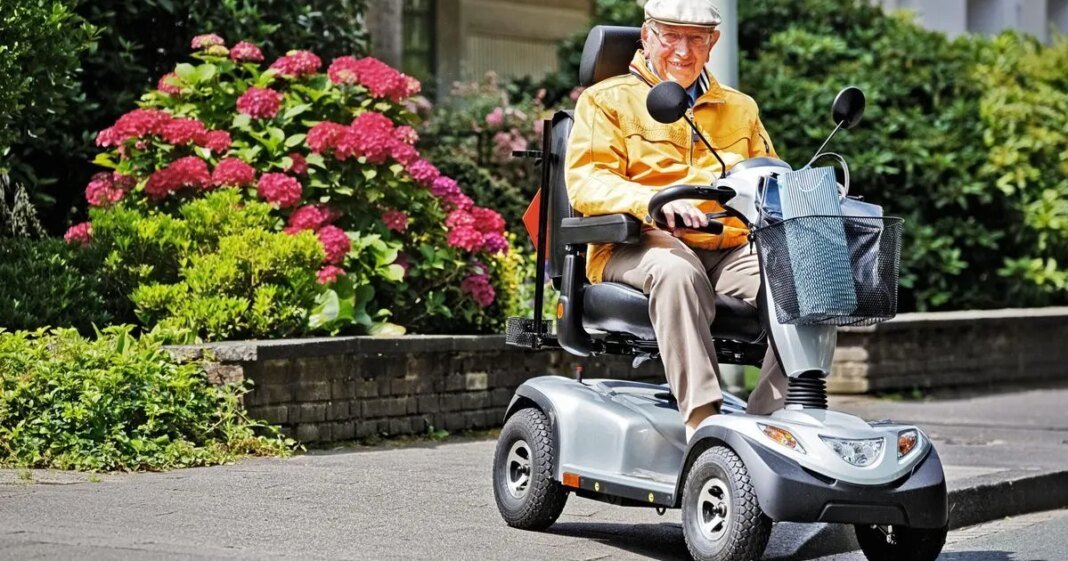
Mobility scooters—often referred to as buggies or gophers—serve as vital sources of independence for individuals with mobility challenges. These devices allow users to navigate their local environment, facilitating trips to the shops, visits with friends and family, and leisurely outings. Research underscores the importance of mobility in combating isolation, which can significantly impact quality of life.
Understanding Mobility Scooters
Mobility scooters are designed specifically for individuals who face challenges in walking. They are not vehicles like cars and must be treated accordingly. Users should recognize that their purpose is to improve mobility, not to replace traditional automobiles. This ensures a safer experience for both the user and other road users.
Legal Considerations
In Australia, mobility scooters are subject to specific regulations. While they can be driven on the road, this is permitted only under particular conditions. It’s essential to understand the regulations in your state, as they vary across the country.
- Road Use: In general, mobility scooters are classified as pedestrian devices when their maximum speed is 10 km/h on flat ground. As such, users must abide by the same road rules that apply to pedestrians.
- Registration and Licensing: Although most states do not require registration or a license, Queensland mandates that mobility scooters be registered. In contrast, other states may have different rules or no requirements at all.
- Proving Need for Use: In New South Wales (NSW), users may need to demonstrate a legitimate need for a mobility scooter due to physical limitations or disabilities.
Safety on the Road
With increasing numbers of accidents reported, safety should remain a top priority for mobility scooter users. According to the Australian Institute of Health and Welfare (AIHW), over 1,000 individuals are hospitalized yearly due to mobility scooter-related accidents. This statistic highlights the importance of operating scooters safely and within the law.
- Accident Statistics: A report indicates that 64% of fatalities involving mobility scooters occur in collisions with motor vehicles, primarily when users cross roads. Although the data does not always imply that users were driving on the road, it showcases the critical need for vigilance in mixed-traffic environments.
- Riding Responsibly: Users are advised to stay as close to the side of the road as possible when road usage is permitted and to travel against traffic to ensure better visibility.
Designated Areas for Use
Mobility scooters can be employed in various pedestrian-friendly locations, such as:
- Footpaths
- Shopping centers
- Nature strips
However, it is crucial to note that users cannot operate these scooters on bicycle paths and should only utilize roads when no alternative routes are available. Awareness of one’s surroundings and adherence to general road rules for pedestrians is paramount to ensuring safety.
Pedestrian Rules Apply
Mobility scooter users must follow the same traffic signals and cross at designated points, similar to pedestrians. Notably, even if they encounter a “walk” or “don’t walk” sign, they are required to comply with these indications to reduce the risk of accidents.
Restrictions and Responsibilities
In NSW, mobility scooters are classified as motorized wheelchairs and come with a set of rules that must be followed:
- Maintain a maximum speed of 10 km/h.
- Ensure compliance with the NSW Road Rules 2014.
- Users must demonstrate a reasonable need for mobility aid due to physical disabilities.
- Avoid causing hazards to both drivers and pedestrians.
- Avoid substance impairment while operating the scooter.
Seeking Further Information
For precise regulations related to mobility scooters in Australia, individuals should consult their state’s transport authority. Each region may provide additional guidelines or mandates regarding safe use and legal obligations.
Note: This article is not intended as legal advice. Always verify with appropriate regulatory bodies in your state or territory for the most accurate information regarding mobility scooter use.