

The Downfall of The SCOOTER Store: A Cautionary Tale in the Mobility Industry
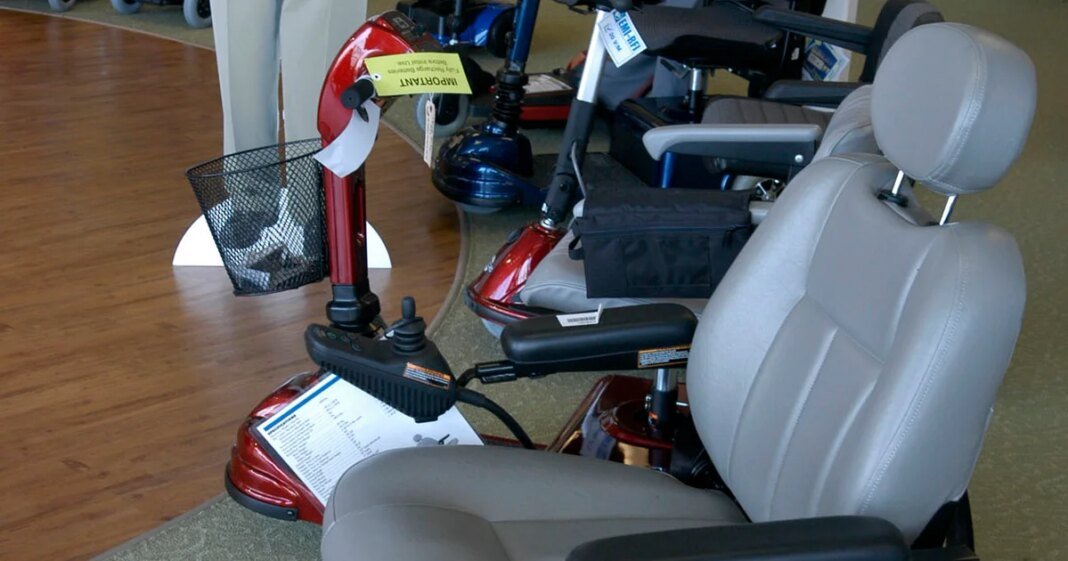
In a significant turn of events, The SCOOTER Store, a prominent Texas-based company known for marketing wheelchairs and motorized scooters, has announced its permanent closure amid scrutiny from federal regulators and a damning investigation by CBS News. This company once promised freedom and independence to those with limited mobility, but allegations of malpractice and financial improprieties have tarnished its reputation and led to its demise.
A Brief History of The SCOOTER Store
Founded in the late 1990s, The SCOOTER Store quickly rose to prominence in the mobility industry. With catchy television advertisements aimed at seniors and individuals with disabilities, the company positioned itself as a solution for enhancing mobility and quality of life. However, the aggressive nature of their marketing strategies would later come under fire.
Federal Scrutiny and Investigations
The troubles began to mount for The SCOOTER Store as federal scrutiny intensified. In 2023, the U.S. Centers for Medicare and Medicaid Services informed the company that it would terminate its federal reimbursement contracts, marking a critical blow to its operational viability. The decision to cut off Medicare payments effectively eliminated any possibility of a successful Chapter 11 reorganization, forcing the company to declare its intent to liquidate.
The closure announcement came shortly after the company’s board of directors made an alarming decision to furlough its remaining 370 employees. This move followed a series of damaging revelations regarding questionable business practices, underscoring a troubling trend in the industry.
Questionable Practices and Allegations
Investigations revealed that The SCOOTER Store engaged in dubious practices to boost sales. Former employees disclosed that salesmen were pressured to “bulldoze” doctors into prescribing scooters, thereby ensuring reimbursement from Medicare, even for patients who didn’t genuinely require them. Brian Setzer, one such whistleblower, detailed how sales tactics included incessant phone calls and visits that wore down healthcare providers, compelling them to prescribe scooters regardless of medical necessity.
Medicare’s Involvement and Overbilling Claims
Critics have pointed out that Medicare, which supplied around 75% of The SCOOTER Store’s revenue, was particularly vulnerable to these practices. A report from the Department of Health and Human Services Inspector General noted that a staggering 80% of Medicare payments for power chairs were improperly issued, mainly to recipients who were either ineligible or could not provide sufficient proof of need.
From 2009 to 2012, auditors unearthed evidence that The SCOOTER Store had overbilled Medicare by as much as $108 million. Such substantial misappropriations prompted intense scrutiny from both the public and lawmakers, leading to further investigations and audits.
Legal Challenges and Government Oversight
The troubles did not end there. The U.S. Justice Department had previously filed a lawsuit against The SCOOTER Store in 2005, alleging deceptive advertising practices aimed at enticing seniors into obtaining power scooters at Medicare’s expense. Although the company settled for $4 million in 2007 and was subjected to periodic reviews, further audits continued to find discrepancies. By 2011, estimates indicated that improper payments could range from $47 million to $88 million, although The SCOOTER Store argued that the assessments were flawed.
As time wore on, local authorities became involved as well. In February 2023, law enforcement raided the company’s headquarters in New Braunfels, and subsequently the city sought to reclaim more than $2.6 million in job-creation incentives awarded to the company.
The Final Chapter: Bankruptcy and Closure
Ultimately, the culmination of legal battles, federal scrutiny, and mounting financial pressures led The SCOOTER Store to file for Chapter 11 bankruptcy protection in April 2023. This troubled path resulted in the layoff of 1,500 employees, marking a disheartening conclusion to a company once regarded as a leader in the industry.
As the dust settles on this cautionary tale, questions linger about the broader impact of aggressive marketing tactics in the mobility industry and the systemic issues that allowed such practices to flourish. The SCOOTER Store’s story serves as a stark reminder that, in a healthcare landscape already fraught with challenges, accountability and transparency must prevail to protect those most in need.