
Victoria Could Back Ongoing Call for Mobility Scooters in Bike Lanes
On February 2, 2026, the conversation surrounding mobility options in Victoria took a significant turn as Councillor Dave Thompson urged his peers to revisit a vital request for the inclusion of motorized wheelchairs and scooters in bike lanes across the city. This initiative aims to enhance mobility for seniors and individuals with disabilities, enabling them to engage more actively in their community.
The Context of the Movement
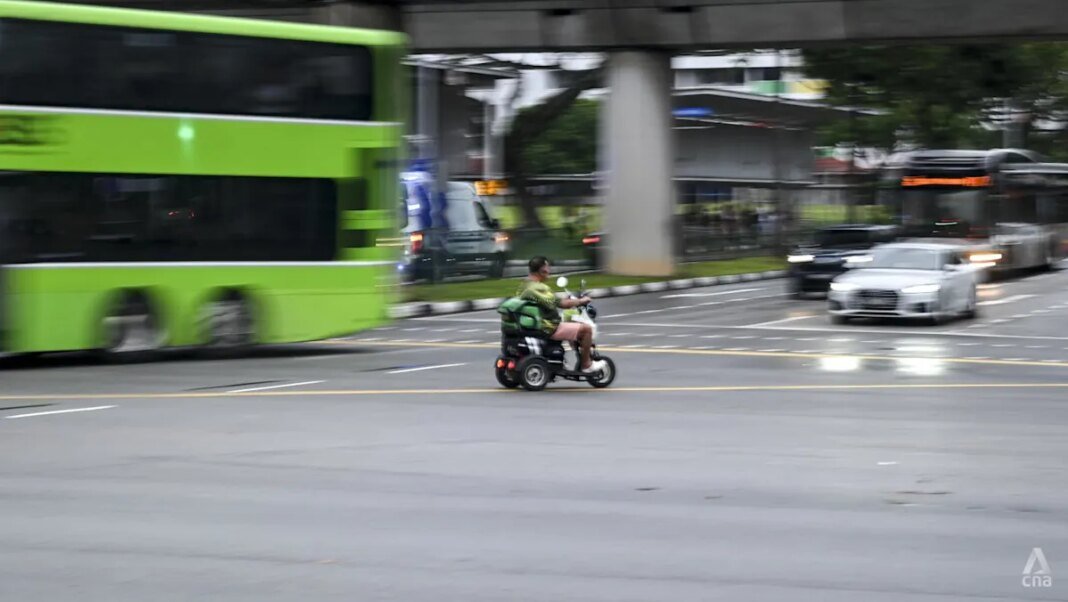
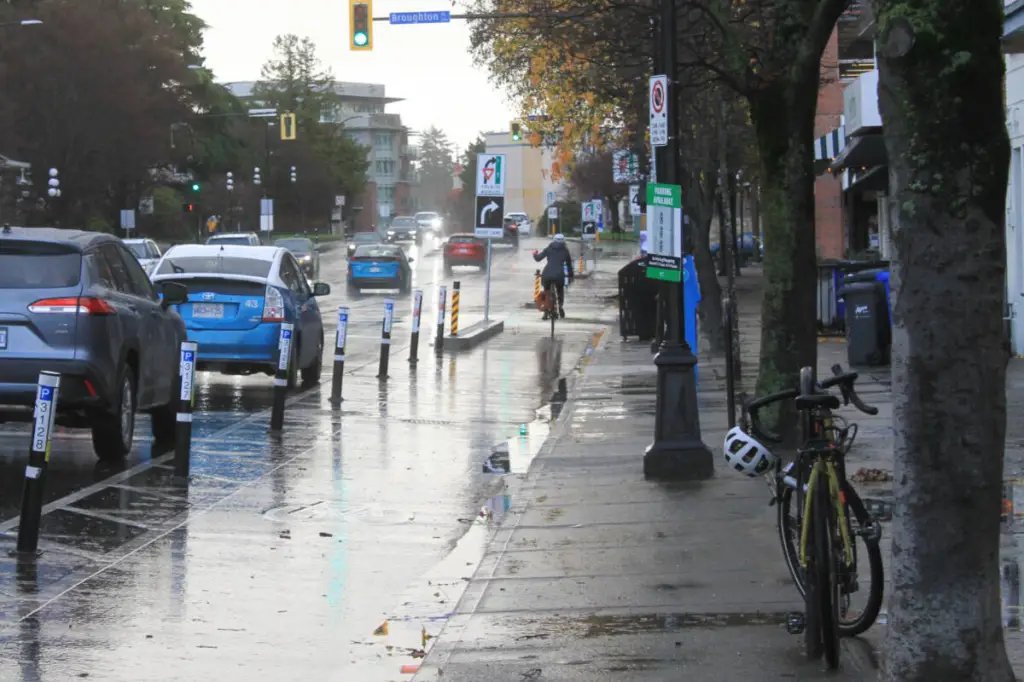
The current framework established by British Columbia’s Motor Vehicle Act restricts the use of mobility devices—specifically, wheelchairs and three- and four-wheeled mobility scooters—on municipal bike and roll lanes. This limitation poses a barrier to independence and engagement for many residents, and Thompson’s proposal seeks to challenge this status quo.
In his motion, Coun. Thompson highlighted that the inability to use these mobility devices on bike lanes significantly affects the quality of life for seniors and people with disabilities. He emphasized that, by preventing access, the regulations discourage active participation in community life, which is contrary to the goals of promoting inclusivity and independence.
The Call for Provincial Action
The proposed motion not only calls for the support of the city council but also for collaboration with organizations like the Council of Senior Citizens Organizations of BC and the BC Cycling Coalition. Together, they aim to push for an update in provincial legislation that would explicitly allow the use of wheelchairs and mobility scooters on designated bike and roll routes.
The timing of this initiative is crucial, as the motion is scheduled for discussion in the upcoming February 5 committee meeting. If it receives council support, it might advance quickly to influence ongoing discussions within provincial governance frameworks before the February 12 deadline for resolutions from the Association of Vancouver Island and Coast communities (AVICC).
Legal Framework and Justifications
Historically, jurisdictions in other regions have successfully integrated mobility scooters and wheelchairs into bike lanes without any safety incidents, which bolsters Thompson’s argument for legislative change. Currently, electric wheelchairs and mobility scooters are classified as pedestrian devices, allowing their use on sidewalks and in crosswalks but prohibiting them in specific areas where pedestrians are not allowed, such as bike lanes. This inconsistency in regulations creates confusion and limits the freedom of mobility for vulnerable community members.
Thompson’s rationale emphasizes that modifying these laws would empower seniors and individuals with disabilities, making the transition to a more active lifestyle easier. He envisages a system where travel training programs are tailored to this demographic, educating them on the safe use of these transportation devices, thus enhancing their overall community engagement.
Historical Precedents and Future Outlook
The conversation about integrating mobility scooters into bike lanes in Victoria isn’t entirely new. There have been previous advocacy efforts, including a letter sent by the city council in 2024, urging the province to allow and regulate the use of electric mobility devices on local streets and bike lanes. This history underscores a growing recognition of the need for better mobility solutions within the community.
As the situation continues to evolve, local residents and stakeholders are encouraged to participate in the dialogue. The city’s engagement platform provides valuable opportunities for community members to voice their opinions and contribute to the shaping of this important legislation. For those interested, details about the agenda and ways to participate can be found on the city’s official website.
Keeping Abreast of Developments
As this initiative unfolds, the potential for legislative change looms large, opening doors for improved mobility options for some of Victoria’s most vulnerable residents. With community support and collaborative advocacy, the city may soon witness a significant shift towards more inclusive transportation policies, reshaping the urban landscape for the better.
For regular updates and further news, individuals can subscribe to a daily newsletter, ensuring they stay informed about the latest developments related to mobility and community engagement in Victoria.