
Navigating the Certificate of Medical Need for Mobility Scooters: Insights from MPs
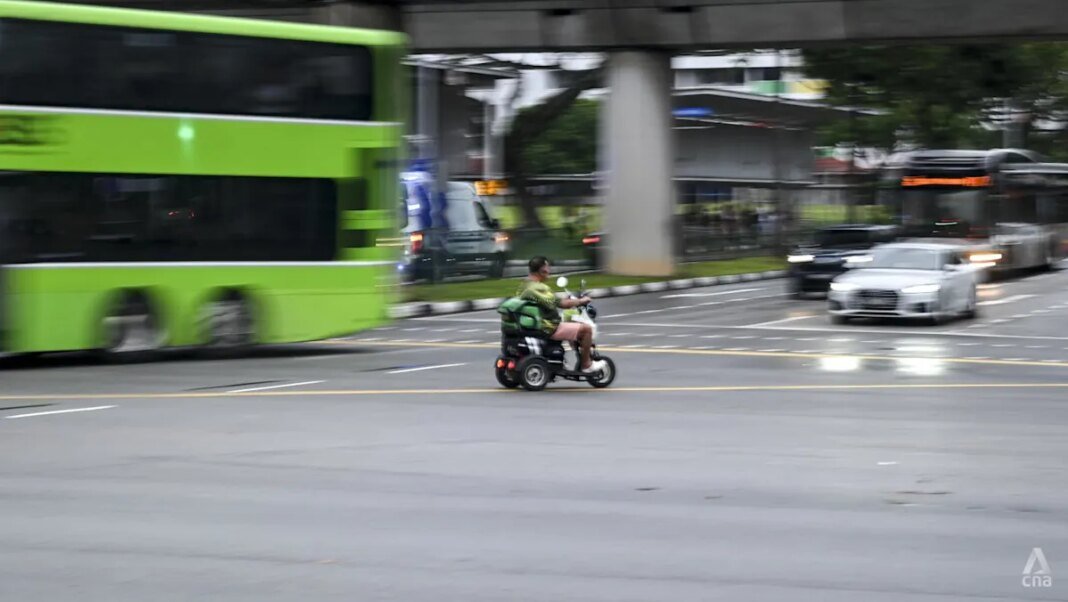
In the ongoing efforts to enhance the convenience and safety of mobility devices in Singapore, several Members of Parliament (MPs) have raised questions about the complexities surrounding the Certificate of Medical Need, particularly for those requiring mobility scooters. MP David Hoe (PAP-Jurong East-Bukit Batok) highlighted potential barriers that could hinder genuine users from obtaining this crucial certificate, underscoring the need for a more streamlined process.
Challenges in the Certification Process
The journey to secure a Certificate of Medical Need involves multiple steps that can deter those who genuinely require mobility scooters. According to Mr. Hoe, hurdles like scheduling a doctor’s appointment, the cost of consultations, and registering for a Personal Mobility Aid (PMA) can complicate the experience. He emphasized that if the certification process is cumbersome, it may prevent deserving individuals from accessing the mobility support they need.
How Certification Works
The certification process requires either a doctor or an occupational therapist to complete a standard form, which can be done online or submitted in a hard copy. Once submitted to the Land Transport Authority (LTA), the user’s need for a mobility scooter will be assessed—indicating whether the requirement is long-term or temporary. Mr. Baey further elaborated that users submitting hard copies are encouraged to take a photograph of their forms, thus ensuring their records are stored within the LTA’s digital registry.
Compliance and Enforcement Measures
To maintain the integrity of the system, the government is setting up a registry for individuals with valid Certificates of Medical Need. Enforcement officers will have the authority to check a user’s documentation on the spot. For those who haven’t submitted their certificates online, presenting the hard copy will suffice during inspections. This approach aims to streamline verification and empower enforcement officers in their roles.
Enhanced Enforcement Strategies
Several MPs, including Tin Pei Ling (PAP-Marine Parade-Braddell Heights) and Dennis Tan (WP-Hougang), also proposed suggestions for bolstering enforcement against non-compliant users. MP Tin raised the possibility of installing permanent cameras to capture errant users, while MP Tan advocated for targeted door-to-door inspections in specific zones, allowing resources to be allocated efficiently rather than stretched too thin.
The Role of Community Engagement
In response to these concerns, Mr. Baey assured the Parliament of LTA’s “comprehensive strategy” for tackling non-compliance. Active mobility enforcement officers will patrol public paths and conduct checks, supported by community ambassadors to engage with the public. The introduction of CCTV cameras across various paths and mobile cameras for real-time reactions will strengthen this enforcement approach.
Sensitivity in Enforcement
Another critical point raised by MP He Ting Ru (WP-Sengkang) was the potential for enforcement officers to make judgments based solely on visual perceptions of what constitutes needing mobility assistance. Mr. Baey acknowledged this concern and affirmed that training will be provided to ensure enforcement officers are sensitive in verifying the Certificate of Medical Need. He reiterated that while enforcement plays a vital role, fostering a culture of awareness and responsible behavior is equally, if not more, important.
Education Over Enforcement
Mr. Baey emphasized that “it is better to rely on education rather than enforcement” as a long-term solution. He articulated the need to avoid creating a culture where compliance is dependent solely on penalties. To that end, the LTA has actively engaged communities to promote awareness about active mobility rules, aiming to foster understanding and responsibility among users.
By navigating the complex landscape of obtaining a Certificate of Medical Need, the efforts by MPs highlight both the challenges and the necessary measures to ensure that those in need can access mobility solutions in Singapore. The focus remains on creating not just a compliant system but one that cultivates a well-informed community.