

The Curious Case of the Mobility Scooter Video
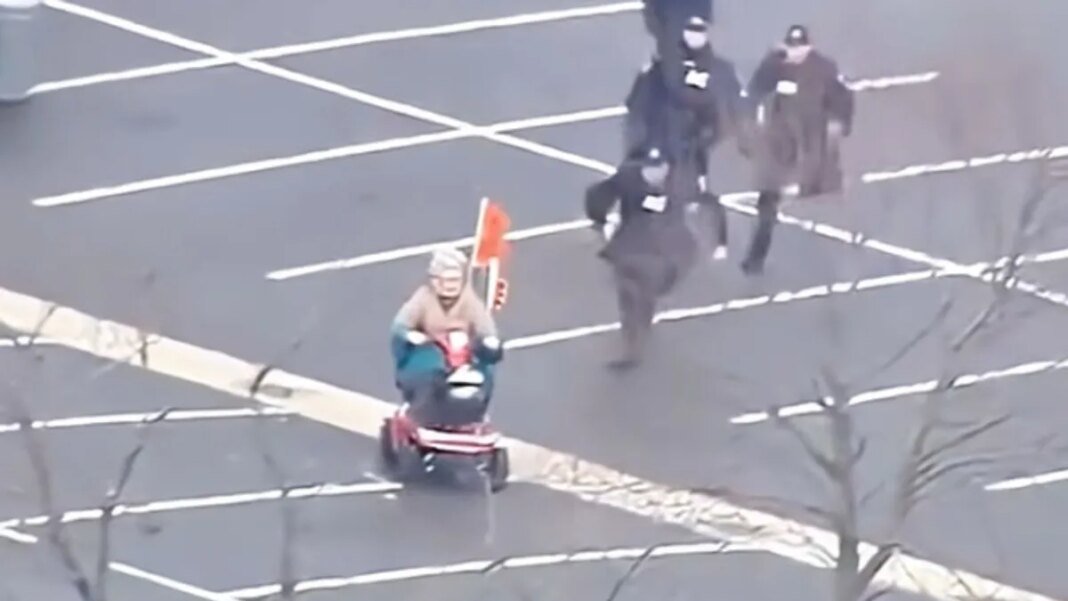
In January 2026, a video began circulating online, claiming to depict an older woman on a red mobility scooter fleeing from U.S. Immigration and Customs Enforcement (ICE) agents in Minnesota. This intriguing narrative quickly captured the attention of social media users, highlighting the intersection of viral content and technology.
The Viral Clip
The video, which allegedly featured helicopter-shot footage, was first shared by a network of social media pages known as Strange AI or @RealStrangeAI on January 18, 2026. This was just days after a tragic shooting incident in Minneapolis, where ICE officer Jonathan Ross fatally shot 37-year-old Renee Good. The timing of the viral video added to its sensationalism, as many users were already discussing the implications of that incident.
In the days following its release, the clip generated millions of views on platforms like Facebook, Instagram, and YouTube. The video included overlaid text stating, “ICE chases old lady in Minnesota,” and featured a voiceover claiming, “Yes, that is a protester on a mobility scooter leaving federal agents in the dust.”
The Reality Behind the Video
Despite its viral nature, the video was ultimately debunked as fake. The creators, associated with the Strange AI network, admitted that the content was generated using artificial intelligence, specifically OpenAI’s Sora 2 tool. This revelation raised questions about the ethical implications of AI-generated media in the context of real-world events.
Identifying AI-Generated Content
Several indicators pointed to the video’s artificial origins. For example, at the one-second mark, viewers could see a bizarre blend of a car and a shopping cart—a common error in AI-generated footage. Additionally, the parking lot in the video had illogical arrangements, displaying illegible letters and words that further hinted at its lack of authenticity.
Extensive searches across major search engines like Google and Bing revealed that credible news outlets had not reported on such a dramatic incident, which could have been a major news story.
The Culture of Misinformation
This episode serves as a critical reminder of the growing challenges posed by fake content in the digital age. Social media platforms enable rapid sharing of information, often without verification. The Strange AI network underscored this reality by stating that they explicitly identified their content as AI-generated in their bios across various social media sites.
While creating fictional scenarios can be a fascinating use of technology, the potential for misinformation remains a pressing concern. Other flashy yet fake scenarios produced by the Strange AI network included firefighters chasing a man in a hospital bed and ICE agents pursuing a daycare owner on a specialized vehicle.
The Broader Implications
The mobility scooter video sparked conversations about the role of artificial intelligence in content creation, illustrating both its creative potential and its risks. As technology continues to advance, the ease with which fake content can be generated poses questions about trust, authenticity, and accountability in the media landscape.
This incident is not an isolated case; it is part of a larger trend where AI-generated content blurs the lines between reality and fabrication, making it crucial for individuals to approach sensational claims with a critical eye. As consumers of media, understanding the tools and tactics behind viral trends is more important than ever in an era dominated by rapid information exchange.