
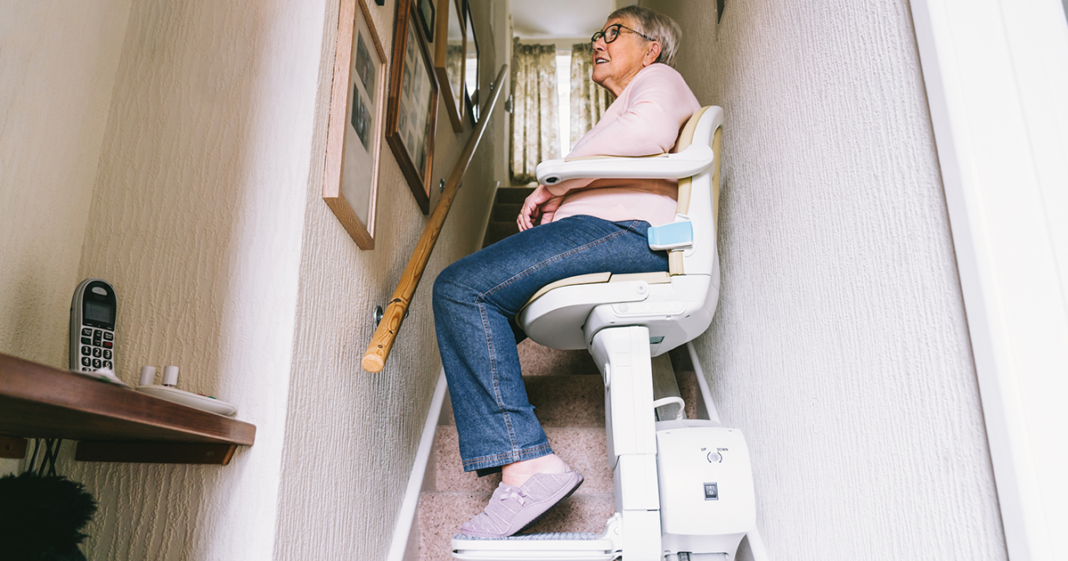

Aging at Home: The Importance of Stair Lifts
Most of us envision growing old in the comfort of our own homes. A recent poll from the University of Michigan’s Institute for Healthcare Policy & Innovation highlights this desire: a remarkable 84% of American adults aged 65 and older plan to remain in their current residences for the rest of their lives. However, planning ahead for age-related challenges is less common. Up to 80% of those surveyed have not made modifications to their homes to accommodate potential future difficulties with mobility, balance, and strength as they age.
The Significance of Home Safety
“Being able to safely move around our homes is key to maintaining independence longer,” explains Dorothea Vafiadis, the Senior Director of the National Council on Aging’s Center for Healthy Aging. She emphasizes that now is the perfect time to assess one’s living environment and make necessary changes to ensure safety for the future. One of the most crucial areas to focus on is fall prevention, as falls rank as the leading cause of injury for individuals aged 65 and over.
Essential Modifications for Fall Prevention
To enhance safety within your home, consider removing potential tripping hazards such as area rugs. Additionally, installations like bathroom grab bars and improved hallway and stair lighting can make a significant difference. For a thorough analysis, the National Council on Aging provides a comprehensive home modification checklist that outlines critical safety recommendations.
The Risk of Stairs
Stairs pose a particular risk for older adults. As Vafiadis notes, “Anyone can trip going up or down the stairs, but as we get older, the risk increases.” Factors contributing to this heightened risk include deteriorating vision, medications that affect balance, and reduced leg strength. Serious consequences from a fall on stairs can be life-altering, possibly resulting in injuries like broken hips or head trauma.
The Value of Stair Lifts
One effective solution to mitigate stair-related risks is the installation of a stair chair lift, especially for those who may not have the option to relocate to a single-level home. But how much do these stair lifts cost, and are they affordable?
Cost of Home Stair Lifts
The price of stair lifts can vary based on multiple factors, including the type of lift, installation specifics, and the features selected. Generally, the cost falls between $2,500 and $8,000 for installation.
Cost Breakdown by Stair Lift Type
Here’s a quick comparison of estimated costs based on the type of stair lift:
| Type | Equipment Cost | Installation Cost | Total Estimate |
|---|---|---|---|
| Straight | $2,000–$3,500 | $500–$1,500 | $2,500–$5,000 |
| Curved | $7,000–$10,000 | $1,000–$2,000 | $8,000–$12,000 |
| Outdoor | $3,000–$6,000 | $1,000–$2,000 | $4,000–$8,000 |
Factors Influencing Stair Lift Costs
-
Equipment Costs: Basic stair lifts come with essential features such as a stationary seat and hand controls. However, options like power swivel seats or custom upholstery can raise the price.
-
Installation Costs: While some may contemplate a DIY approach, hiring professionals is often advisable. Complex staircases or hidden structural issues can lead to additional expenses if handled by untrained individuals.
-
Ongoing Maintenance: Regular maintenance is crucial for ensuring safety and functionality. This may involve annual or bi-annual inspections, with costs ranging from $100 to $300 yearly, depending on the lift’s specific needs.
Finding Ways to Save on Costs
If you’re concerned about the expenses associated with stair lifts, there are several strategies to consider:
-
Assess Your Needs: It’s essential to determine what features are truly necessary. Sometimes, simpler models may suffice and provide reliable service without breaking the bank.
-
Shop Around: Evaluate multiple dealers and manufacturers to compare prices. Some may offer seasonal sales or bundle promotions.
-
Discounts and Memberships: Organizations like AARP might have negotiated discounts, and local senior centers can be valuable resources for information on available financial assistance.
Financial Aid Options
Several avenues exist for financial aid that may cover stair lift costs:
-
Health and Long-term Care Policies: While Original Medicare doesn’t cover stair lifts, some Medicare Advantage plans might. Medicaid, particularly through home and community-based services waivers, can also provide support.
-
Grants and Financial Programs: Various federal and state programs exist, including USDA housing repair loans and state-level grants specifically designed to improve the safety of homes occupied by older adults.
-
Veterans Benefits: If eligible, military benefits may include disability housing grants that assist with modifications.
Additional Resources and Support
Organizations dedicated to helping older adults live independently may also offer guidance. Area agencies on aging (AAAs) can provide not just direct grants but also connect individuals with reputable financing options.
For those looking economically, consider reconditioned stair lifts or rental programs, which many dealers offer. These can provide flexibility and lower upfront costs without long-term commitments.
FAQs
What’s the average cost of a stair lift?
- Generally, expect the price range to be between $2,500 and $12,000 installed, depending on features and installation specifics.
Can I rent a stair lift?
- Yes, many dealers offer rental options, typically around $175 to $500 monthly, often with flexible terms.
Are stair lifts tax deductible?
- If deemed “medically necessary,” there may be potential tax deductions. However, consult with a tax professional for precise guidance.
A stair lift is an effective way to minimize fall risks and promote safe aging-in-place. While costs can be significant, many financial aids and options will make stair lifts more accessible.