
Concerns Over Mobility Scooter Safety: A Call for Action
The issue of mobility scooter safety has taken center stage following a tragic incident in Cleckheaton, West Yorkshire, where a great-grandmother lost her life in a crash involving her mobility scooter and a pickup truck. The coroner’s inquest into Angela Carney’s death has sparked serious concerns about the safety mechanisms in mobility scooters, particularly those lacking adequate braking systems.
The Tragic Incident
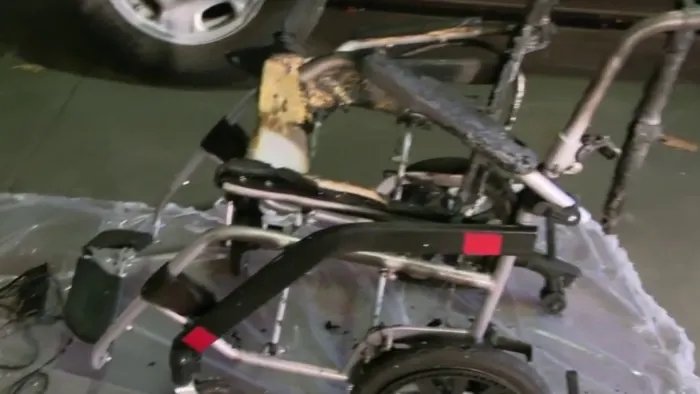
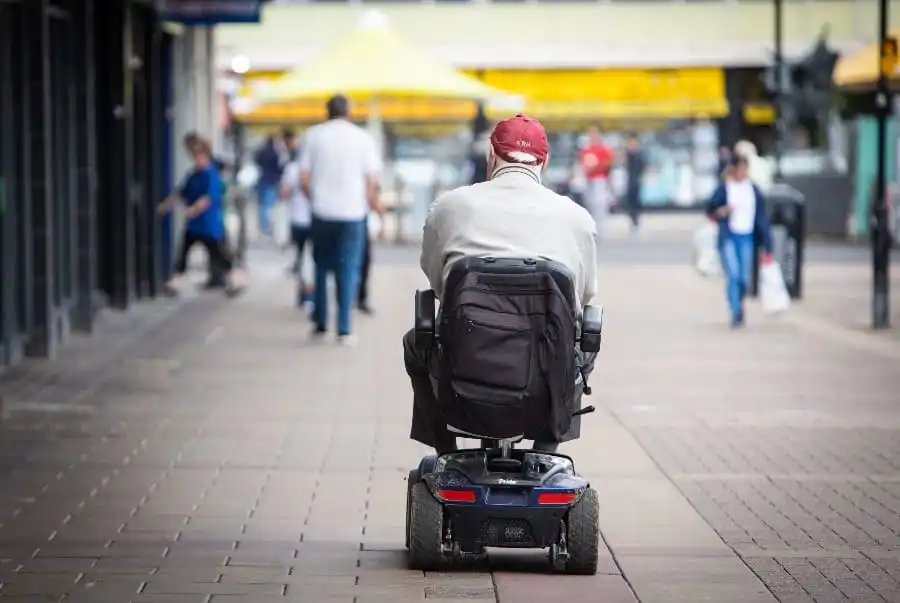
On September 26, 2023, Angela Carney, aged 65, set out from her home on a four-wheel mobility scooter, a model from 2005 that she had purchased second-hand. As she navigated Westcliffe Road, she activated the free-wheel mode, neglecting to engage the engine as per the manufacturer’s instructions. This oversight prevented her from applying the brakes, leading to a dangerous collision with a Nissan Navara pickup truck.
The lack of a fail-safe braking mechanism became a focal point during the inquest. This case brought to light not only the tragic loss of life but also the potential hazards that older mobility scooter models could pose to users and pedestrians alike.
The Coroner’s Findings
Senior Bradford Coroner Martin Fleming emphasized the lack of a secondary braking mechanism on the scooter as a significant safety concern. He pointed out that while the scooter was determined to be roadworthy, the absence of independent braking left it vulnerable to fatal accidents. He expressed alarm that such scooters continue to be manufactured and sold without necessary safety features.
“Contrary to the instruction manual,” Fleming stated, “the scooter was operated in a manner that made it impossible for the driver to stop.” His assessment highlighted that if Carney had followed the manufacturer’s guidelines, the tragic incident might have been prevented.
The Implications for Mobility Scooter Users
Fleming’s report on the incident has broader implications as it raises questions about the safety of mobility scooters on the market, particularly older models that do not have modern safety systems. His concerns are echoed by many advocacy groups who are pressing for stricter regulations and safety inspections for these vehicles. The potential dangers posed by scooters without adequate braking systems present a pressing issue for both riders and the general public.
In light of this, advocacy groups are pushing for greater oversight in the manufacturing and sale of mobility scooters, emphasizing that safety should not be compromised, even for second-hand devices.
A Call for Regulatory Review
The coroner formally reached out to the Department for Transport and the Medicines & Healthcare products Regulatory Agency (MHRA) to reassess existing safety guidelines. He has urged these bodies to consider implementing regulations requiring all mobility scooters to be equipped with a secondary braking system, emphasizing that such changes could save lives.
The Department for Transport and MHRA are expected to respond to his report by March 7, and many are watching closely to see what steps will be taken to improve scooter safety standards.
Increased Awareness and Training
Along with regulatory changes, there’s a growing consensus that education and awareness surrounding scooter safety are equally vital. Campaigners are advocating for the inclusion of mobility scooter users in the Highway Code, which would help inform both users and other road users about the rights and responsibilities associated with mobility scooter usage.
As fatalities among scooter users have nearly doubled, raising awareness and educating both riders and the general public could potentially mitigate risks associated with mobility scooters.
Conclusion
The tragic death of Angela Carney has ignited a crucial conversation about mobility scooter safety, prompting a necessary examination of existing regulations and safety standards. In a society that seeks to empower individuals with mobility challenges, addressing these safety concerns is imperative for ensuring a safe and accessible environment for everyone. As stakeholders await responses from governmental bodies, the pursuit of accountability and improved safety measures for mobility scooters is more important than ever.