

Challenges Faced by Residents During Power Outages in Clearlake, California
A Sleepless Night in Clearlake
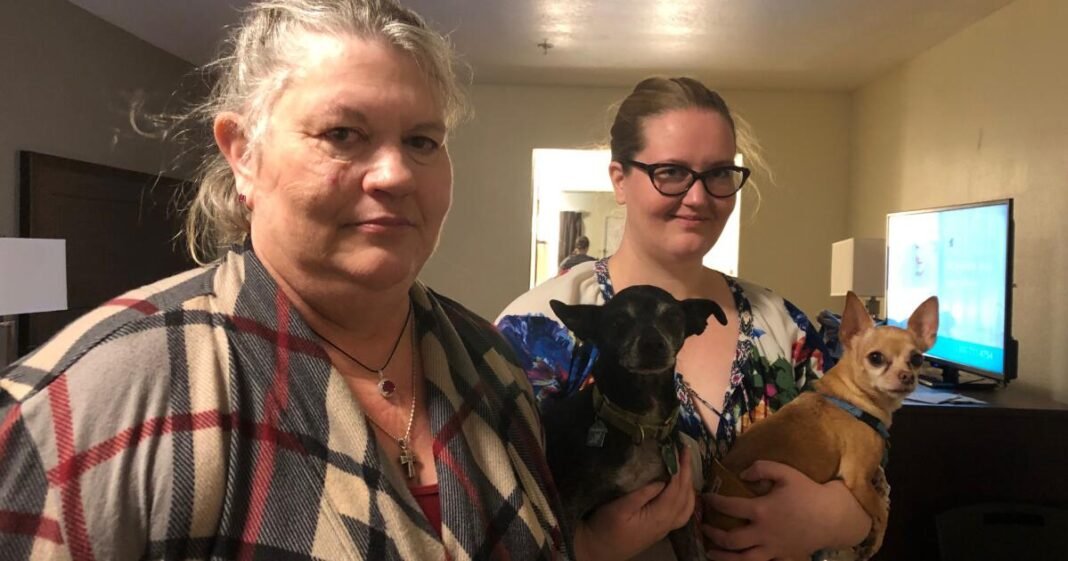
When Pacific Gas and Electric Company (PG&E) cut power to Brenna Delwisch’s remote ranch in Northern California just after midnight, concern gripped her heart. She was kept awake by the fear that if she fell asleep, her mother, Michele Newton, would suffer. After enduring a stroke and an aortic dissection, Michele’s life depended on her continuous positive airway pressure (CPAP) machine, which was unable to function without electricity.
Brenna described her mother’s struggle to breathe as distressing: “It’s like [her] chest is arguing with whether to breathe or not. It looks like a struggle.” As the hours dragged on, fatigue overwhelmed her—by 5 a.m., she could no longer fight the exhaustion.
A Community Unprepared
The power outages, prompted by PG&E as a precaution against wildfires, left around 65,000 people in Lake County navigating life in the dark. Many residents faced unexpected hardships, their lives interrupted by the lack of power. Simple tasks quickly spiraled into challenges: a mother could not refill her son’s bipolar medication; a man struggled with schizophrenia without the calming presence of the television. Even critical health needs went unmet, as evidenced by the tragic death of an elderly man in a nearby county shortly after losing power to his CPAP machine, underscoring the risks involved.
Daily Life Disrupted
Basic necessities became luxuries. Residents struggled to keep food fresh without refrigeration, and essential supplies like ice and charcoal were in short supply. Tara Drolma, a 72-year-old, highlighted the grim reality she faced: her emergency battery was dwindling, forcing her to weigh the consequences of charging her electric wheelchair against her heart monitor.
Her statement, “You don’t know until it happens how it’s really going to affect you,” encapsulated the sentiments of many in Lake County—and they were learning hard lessons about the fragility of their circumstances.
The Reality of Outages
Despite the state’s experience with wildfires and power outages, understanding the impact on vulnerable populations appeared lacking. Many residents felt the government, as well as PG&E, had not adequately prepared for the ramifications of power cuts.
Residents like Brenna and Tara reported feeling isolated and abandoned, with resources scarce. While some facilities, such as emergency charging stations, offered temporary relief, families faced new burdens—rising credit card debt from purchasing generators, hotels for safety, and increased cellular data plans to stay informed.
Gov. Newsom’s Response
Governor Gavin Newsom criticized PG&E for its actions during the outages, calling the situation “unacceptable.” He spotlighted the dire circumstances residents faced: accessing clean water, managing medical supplies—needs that should have been anticipated. The governor’s remarks highlighted the urgent necessity for better preparedness for vulnerable populations.
Calls for Systemic Change
Community leaders expressed a critical need for systemic changes and more comprehensive strategies to assist those affected. Democratic Senator Mike McGuire pointed out that the current reliance on outdated customer databases does not accurately reflect the needs of residents, including many who rent or live in communal settings.
He emphasized the need for PG&E to create an emergency services office, dedicate a budget for immediate assistance, and ensure a more reliable data tracking system for vulnerable individuals. “These shutdowns can be life and death,” he cautioned, recognizing that each power outage can bring unseen but significant consequences.
Vulnerabilities Exposed
As days passed without power, the divide between socioeconomic groups became clearer. Brenna Delwisch shared how her brother, a Navy contractor in Hawaii, assisted her financially to secure temporary lodging for her family and pets. However, she questioned those less fortunate: “Is PG&E forcing people to leave their houses and wind up someplace they are more vulnerable?”
Tara Drolma, facing dwindling battery power for her medical devices, pondered the inequities inherent in the disaster response. With no dedicated funding for assistance during power cuts and only makeshift shelters available, the community’s resilience faced a critical test.
Resourcefulness Amid Hardship
Community members like Liz Taft exemplified the resourcefulness engraved in Lake County’s spirit. Pushing her brother-in-law’s oxygen machine to recharge at a senior center shows the lengths individuals go to support one another in times of crisis—reminding us that even in darkness, hope can shine through human connection.
As Lake County navigates the aftermath of these outages, the lessons learned from this experience emphasize the urgent need for effective strategies to protect the most vulnerable. The ongoing discourse surrounding PG&E’s practices and the responses by local leaders signal a pivotal moment in rethinking how we support communities during crises.