

Embracing Technology: Enhancing Lives for Those with Blindness and Low Vision
Technological advancements are reshaping how individuals with blindness and low vision engage with the world around them. Accessible technology, low vision devices, and adaptive equipment form the backbone of vision rehabilitation training. By integrating these tools into daily life, people can experience increased connections, confidence, safety, and independence.
The White Cane: A Time-Honored Tool
A fundamental mobility aid for those living with vision loss is the white cane. This simple yet effective tool helps users detect obstacles and changes in surface texture, providing essential feedback about their environment. Today, adaptive tips can be added to canes to enhance this environmental interaction. Smart or AI-assisted versions are emerging, offering heightened awareness and function to traditional designs.
Dog Guides: A Trusted Companion
For many, guide dogs offer an unmatched level of support in navigation. These highly trained companions guide their handlers through complex environments, particularly where obstacles, drop-offs, and surface changes are prevalent. While dog guides are invaluable, they complement rather than replace strong orientation and mobility skills. Investing in orientation and mobility (O&M) training enhances one’s ability to navigate independently and effectively. Learn more about O&M training’s benefits.
The Role of Smartphones and Tablets
Smartphones and tablets have revolutionized accessibility with built-in navigation tools and features that cater to vision loss:
- VoiceOver and TalkBack are built-in screen readers that provide audio directions, enhancing travel safety and confidence.
- GPS and navigation apps like Google Maps offer real-time orientation and assistance both indoors and outdoors.
- Google’s Seeing Eye AI serves as a virtual assistant, giving verbal descriptions of surroundings.
- Additional devices utilizing ultrasound or laser technology now detect obstacles, delivering auditory feedback or vibrations.
Enhancing Connection and Communication
A vast array of tools and systems is available, providing crucial access to information and digital content for individuals with blindness and low vision. These can range from high-tech to more affordable options:
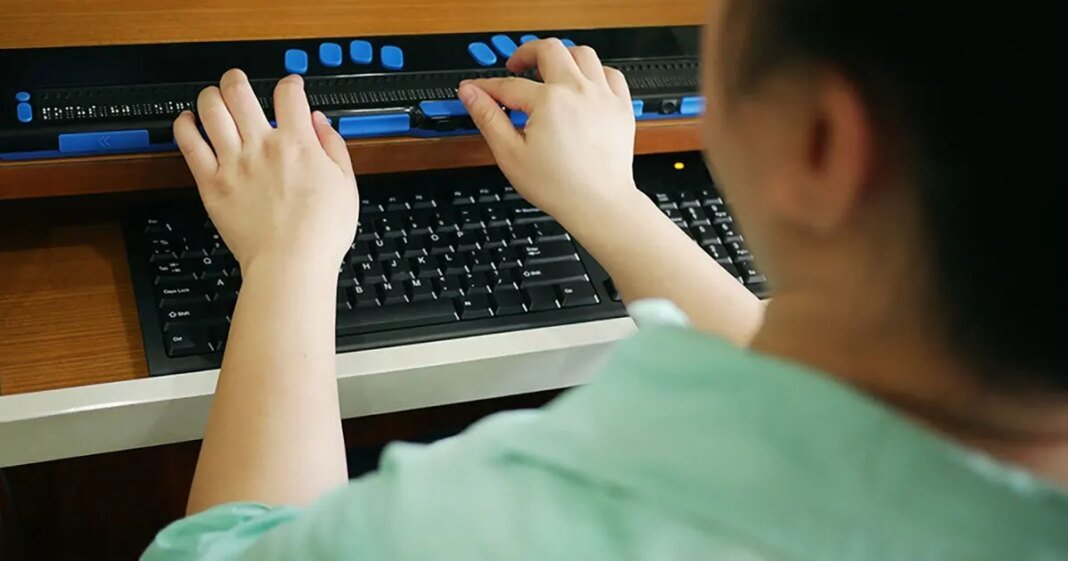
- Screen reading software, such as JAWS, translates screen information into speech or Braille, bridging gaps in information access. Braille embossers can be used for tactile reading materials as well.
- Braille keyboards and magnifying software assist with digital communication and reading, respectively. Alternatives like high-contrast displays further enhance accessibility.
- Optical Character Recognition (OCR) technology enables the translation of printed text into digital formats for easier accessibility.
- Voice-activated assistants simplify daily tasks, from managing calendars to providing entertainment options. Smart home integration allows users to adjust lighting and heating with voice commands.
- Smartphone accessibility features can transform user experience through customizable displays and magnification options.
Object and Scene Recognition Apps
An increasing number of specialized apps offer real-time support:
- Be My Eyes connects individuals with vision loss to sighted volunteers for live assistance via video calls.
- Aira Explorer provides access to trained visual interpreters around the clock.
- Seeing Eye AI not only provides environmental insights but also facilitates barcode scanning for everyday objects.
- Envision AI combines various features, including personal assistance with dining choices based on user preferences and local weather.
The proliferation of these high-tech tools empowers individuals with vision loss, making daily tasks more manageable.
Everyday Tools for Independence
Many adaptive devices enhance daily living for those with vision challenges:
- Talking or large print devices communicate information audibly or visually, facilitating access to important data.
- Braille books and notetakers provide valuable resources for reading and writing, while audiobooks make literature accessible.
- Tactile markers and Braille labelers create touch-compatible identifiers for various household items, enhancing navigation and organization.
- Innovations like QR codes allow users to access information audibly, showcasing how technology can be integrated into practical living.
As technology continues to advance, there is hope for a future where accessibility is built into hardware and software from the ground up. This shift would ensure equal access to vital information and communication for all, enriching the lives of those with blindness or low vision.
Finding Support and Resources
Local vision rehabilitation agencies are essential in providing training tailored to individual needs. They can help determine the best technologies and assistive devices based on specific challenges. For location-specific resources, visit Time to Be Bold and explore the options available. The APH hotline offers support and strategies for everyday challenges, while the APH Connect Center and VisionAware provide valuable online resources.
For ongoing insights into support for vision loss and rehabilitation services, explore other articles in this series.
This project is supported partially by grant numbers 90CSSG0048 and 90FPSG0051 from the U.S. Administration for Community Living, Department of Health and Human Services. The perspectives articulated here do not necessarily represent the official policies of the Administration for Community Living.