
Innovative Electric Wheelchairs: Empowering Mobility for All
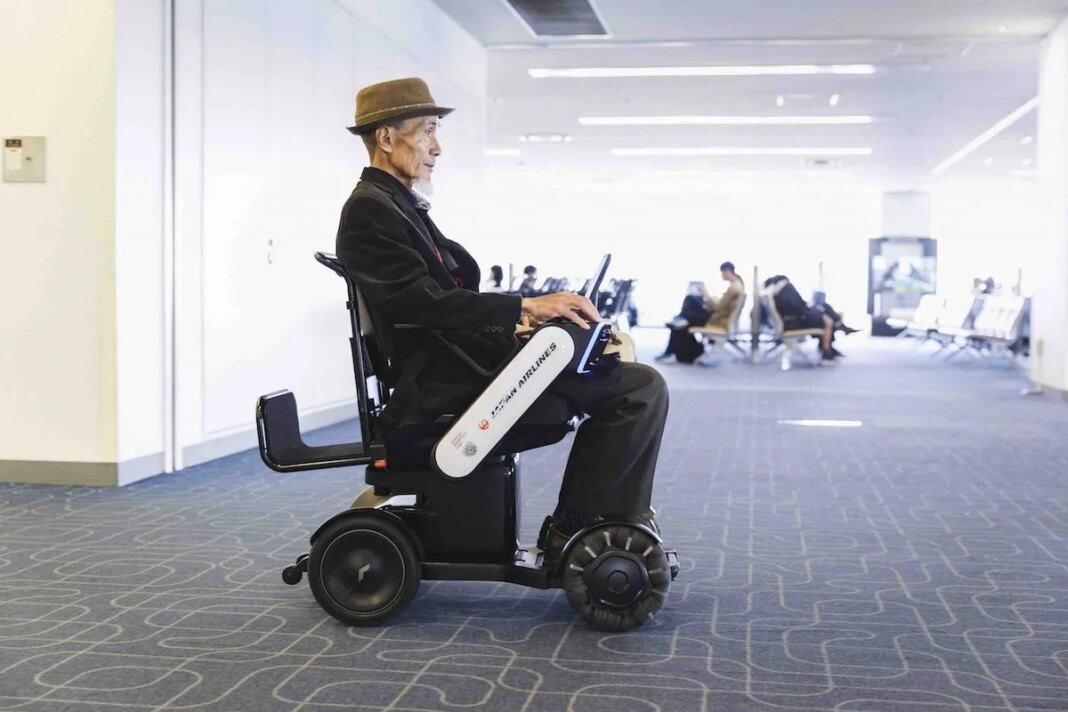
In recent years, the landscape of mobility aids has evolved significantly, reflecting advancements in technology and a growing focus on inclusivity. At the forefront of this transformation is WHILL, a startup based in Tokyo’s Shinagawa Ward, dedicated to creating electric wheelchairs that not only serve functional purposes but also enhance the quality of life for users. The company’s mission? To deliver “fun and innovative mobility for all.”
Recognizing the Need for Inclusive Mobility
WHILL’s approach to mobility is centered around addressing the limitations faced by individuals with lower-body mobility impairments, as well as elderly persons experiencing weakened physical capabilities. Traditional mobility devices have sometimes carried a stigma or a perception of being cumbersome. WHILL strives to change that narrative by providing a range of electric wheelchairs that prioritize ease of use and user experience.
Models Designed for Everyday Life
WHILL has developed three distinct models, each tailored to different needs and environments.
-
Model C2: This model stands out with its ability to navigate steps up to five centimeters high and execute small turns thanks to a compact turning radius of just 76 centimeters. This feature is particularly valuable for urban environments where navigating tight spaces is often a challenge.
-
Model F: Emphasizing portability, the Model F is lightweight and foldable, making it an excellent choice for users who may need to transport their wheelchair frequently. Its design caters to active lifestyles, ensuring that mobility doesn’t hinder social engagement.
-
Model S: As a type of mobility scooter, this model is built for ease of use, offering a smooth driving experience that promotes independence.
All models are designed to be intuitively operated, making them not just practical modes of transport, but also enjoyable to drive.
A Fresh Take on Wheelchair Design
WHILL’s commitment to innovation extends beyond functionality to include aesthetics and user comfort. Unlike conventional electric wheelchairs, WHILL allows customers to customize the color of the frame, adding a personal touch that resonates with users. Furthermore, when seated in one of these vehicles, users can assume a driving posture similar to that of operating a car. This thoughtful design choice is intended to minimize the psychological barriers that often accompany using mobility aids, empowering users to embrace their mobility.
As Tomohiro Ikeda, WHILL’s executive vice president in charge of Japan business, articulated, “By designing our vehicles to fit in with people’s daily lives, we tried to alleviate the psychological barriers people have to riding them.” This endeavor is a testament to the company’s understanding of the social dimensions of mobility.
Bridging the Gap to the Future of Mobility
WHILL’s innovative approach signifies a shift in how society views and interacts with mobility aids. No longer confined to the realm of necessity, these electric wheelchairs represent a blend of technology, style, and empowerment. They serve as a bridge, facilitating not just mobility but active participation in social and recreational activities.
Additionally, WHILL’s focus on everyday usability addresses a pressing need for mobility solutions that cater to various life circumstances, thus broadening the scope of accessibility. As more individuals discover these advanced mobility solutions, it is apparent that WHILL is paving the way for a future where everyone has the opportunity to move freely and confidently.
For those interested in exploring WHILL’s offerings further, full details can be found on Japan 2 Earth, which delves deeper into the current and potential applications of these ingeniously designed power chairs and mobility scooters.
Explore more on the Japan 2 Earth platform to discover articles that highlight environmental challenges and the journey towards achieving the Sustainable Development Goals (SDGs), illuminating a path toward a more inclusive future.