
Preparing Your Home for Graceful Aging
As we journey through life, the importance of modifying our living spaces to accommodate our future needs becomes increasingly clear. When envisioning your home for the years to come, consider essential factors such as safety, accessibility, and comfort. This article offers a comprehensive guide to evaluate and enhance your living space so that it age-proofs perfectly alongside you.
Assessing Your Living Space
Begin by taking a holistic look at your home. Do you have handrails installed along stairs? Is your bathroom fitted with a walk-in shower? Examine the width of your doorways to ensure they are spacious enough for wheelchair access. Such an assessment is vital for making informed modifications that allow your home to adapt as you age.
Jack Miller, a 58-year-old resident of San Francisco, has proactively made various changes to his home. “It’s brought me relief knowing that I live in a place that can accommodate me just fine as I get older,” he shares. Jack’s efforts to install nonslip rugs, relocate his bedroom to the first floor, and widen hallways underscore the significance of planning ahead for aging in place.
Start Small to Alleviate Overwhelm
Feeling overwhelmed by the prospect of home modifications is normal. However, positive changes need not be drastic. Focus on the areas you utilize most frequently—then tackle the challenges that feel most pressing. If navigating stairs is tough, consider a bedroom relocation or installing grab bars for support. Gradually progress to improving lighting or decluttering pathways for safer movement.
A useful resource, AARP’s HomeFit Guide, outlines practical steps to ensure your home remains comfortable and safe.
Making Incremental Changes Yearly
Lakelyn Hogan, Ph.D., a gerontologist from Home Instead, offers practical advice for ongoing home modifications. “Each year during your spring cleaning, try making one small change towards making your house age-friendly,” she suggests. This could mean focusing on improving lighting in one year and adding grab bars in the next.
Expert Checklist for an Age-Friendly Home
To streamline your efforts, consult the following checklist, organized by room, to keep your home suitable for aging gracefully.
Bathroom Adjustments
- Walk-in Shower: Install a walk-in shower to prevent falls—a key concern as mobility fluctuates.
- Shower Bench: Consider a shower chair or bench to facilitate bathing safely.
- Handheld Showerhead: A handheld nozzle allows for comfortable rinsing while seated.
- Grab Bars: Install grab bars in the shower and near the toilet for additional support.
- Safety Upgrades: Replace glass doors with non-shattering materials.
- Slip-Resistant Strips: Apply slip-resistant strips in the shower, which are more effective than mats.
- Toilet Adjustments: Opt for a taller toilet or use a toilet riser for easier access.
- Lever-Style Faucets: These can simplify use if arthritis or joint pain becomes an issue.
Bedroom Modifications
- Relocate Bedroom: Move to a downstairs bedroom if stairs pose challenges.
- Bed Accessibility: Ensure your bed height allows for easy access, considering bed risers if necessary.
- Adjustable Beds: Invest in an adjustable bed for increased comfort and convenience.
Kitchen Accessibility
- Safety-Stove: Purchase a stove that features alerts when burners are in use.
- Appliance Placement: Adjust the positions of major appliances for easier reach.
- Accessible Refrigerator: Look for a fridge with handles designed for accessibility.
- Slide-Out Features: Add slide-out trays or drawers in cabinets for better accessibility.
Furniture Considerations
- Declutter: Get rid of unnecessary furniture to enhance navigation through rooms.
- Armrest Chairs: Opt for chairs with armrests to support standing and sitting.
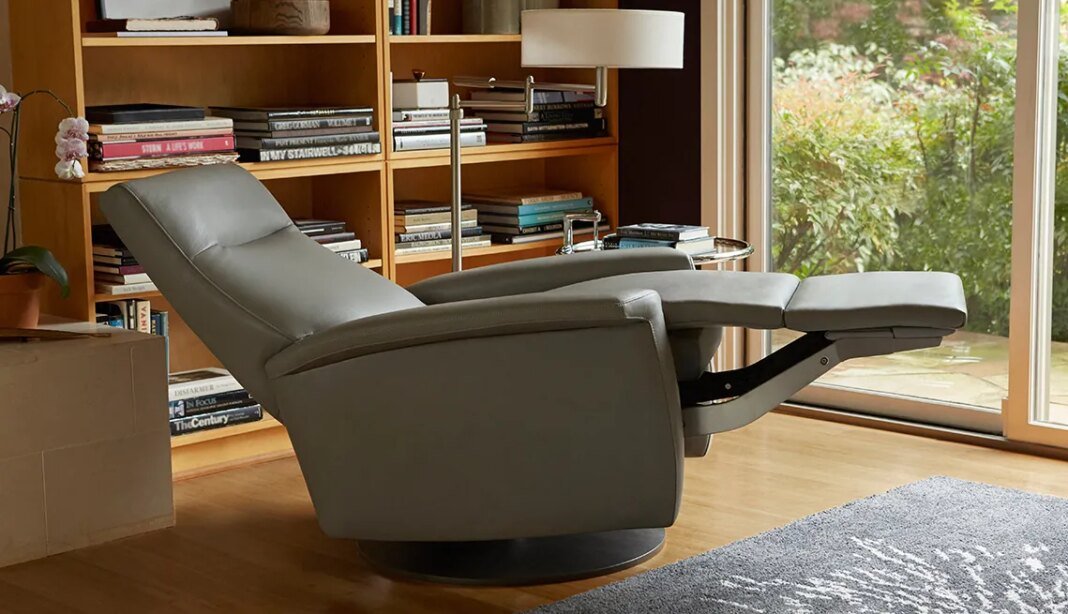
- Lift Chairs: Consider purchasing a lift chair for safer transitions between sitting and standing.
- Cord Management: Keep electric cords clear of pathways to prevent tripping; avoid tucking them under rugs.
By following these structured details and tips, you can create a living environment that not only enhances your current lifestyle but also prepares you for a more comfortable and safer home as you navigate the aging process.