

New Regulations for Mobility Scooters in Singapore: What You Need to Know
Introduction of Certification for Users
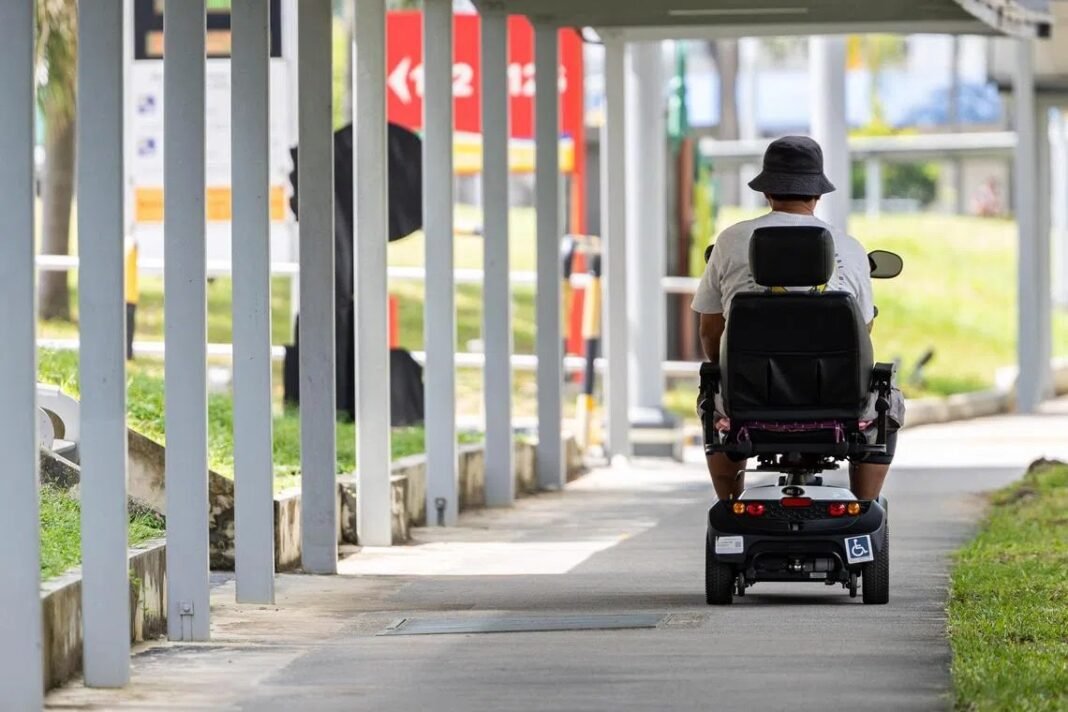
Starting from the first quarter of 2026, Singapore is implementing significant changes to the usage of mobility scooters and other motorized personal mobility aids (PMAs). Under new regulations, only individuals certified with medical needs will be permitted to use these devices on public paths. This move aims to enhance safety and promote responsible usage within the community.
Speed Limit Reduction
One of the most notable changes is the reduction of the speed limit for mobility scooters from 10 km/h to 6 km/h. This change aligns the speed limit with that of brisk walking, significantly contributing to pedestrian safety. Mr. Baey Yam Keng, Senior Parliamentary Secretary for Transport, emphasized that a top speed of 6 km/h is more reasonable, especially for users who may experience walking difficulties.
Medical Certification: A Requirement
To address concerns regarding the misuse of mobility scooters, all users must undergo medical certification beginning in early 2026. This requirement ensures that only those genuinely in need of these aids can access them. However, individuals prescribed government-subsidised mobility scooters prior to the new law will automatically receive certification, exempting them from the medical assessment.
Existing users of non-subsidised scooters can approach their regular doctor starting in the fourth quarter of 2025 for certification. New users of subsidised scooters can either see their regular doctor or consult an occupational therapist for assessment.
Transition Period and Enforcement
The government is committed to a smooth transition, allowing existing users time to obtain their certifications. During this period, enforcement officers will engage with users to explain the new rules and provide guidance. Users are encouraged to wait for detailed instructions expected in the third quarter of 2025.
Enforcement will involve maintaining a registry of certified users. Those who need to verify their certification can present a digital or physical copy of their certificate when checked by officials.
Size Restrictions on PMAs
From early 2026, all PMAs will be subject to strict size restrictions, mirroring those currently enforced on public transport. The maximum dimensions are as follows: a width of 70 cm, a length of 120 cm, a height of 150 cm, and a total weight of 300 kg, including the rider. Selling or advertising PMAs that exceed these measurements will be prohibited.
Consultation and Feedback Mechanisms
To refine these new regulations, the Ministry of Transport (MOT) and the Land Transport Authority (LTA) are soliciting feedback from various stakeholders, including the Digital Platforms Industry Association and the National Delivery Champions Association. These platforms aim to manage customer expectations by informing them about the types of devices used by delivery riders and potential delays in service.
Safety Measures and Future Prospects
The new regulations stem from observations of misuse and safety risks linked to mobility scooters. Mr. Baey highlighted the need for stringent rules to mitigate safety concerns that may arise, particularly in crowded public transport spaces. Although there have been no fire incidents involving such devices in Singapore’s public transport system, the government aims to preemptively address any potential hazards.
Expanding Pedestrian-Friendly Initiatives
In addition to mobility scooter regulations, the MOT announced plans to expand pedestrian-friendly streets to 15 new locations across Singapore. This initiative aims to enhance the walking experience for residents, especially in neighborhoods with a high proportion of seniors and families.
Current pilot projects in areas like Ang Mo Kio and West Coast have already demonstrated positive outcomes, and this expansion signifies a commitment to creating a safer urban environment.
Impact on Public Transport and User Behaviour
The introduction of new guidelines called “Conditions of Carriage” will formalize expected behaviours for commuters on public transport. These guidelines not only focus on maintaining safety but also promote accountability and courtesy among passengers. The government plans to strengthen penalties for non-compliant behaviour to assure a more pleasant commuting experience.
Enforcement measures will facilitate compliance and encourage cooperative behaviour among commuters. The government has indicated that more stringent regulations will be aligned across different modes of public transport by 2026.
Conclusion
These upcoming changes represent Singapore’s proactive approach to ensuring public safety and improving mobility for those in need. The responsible use of mobility devices will not only enhance safety but also promote a more inclusive and pedestrian-friendly urban landscape.