
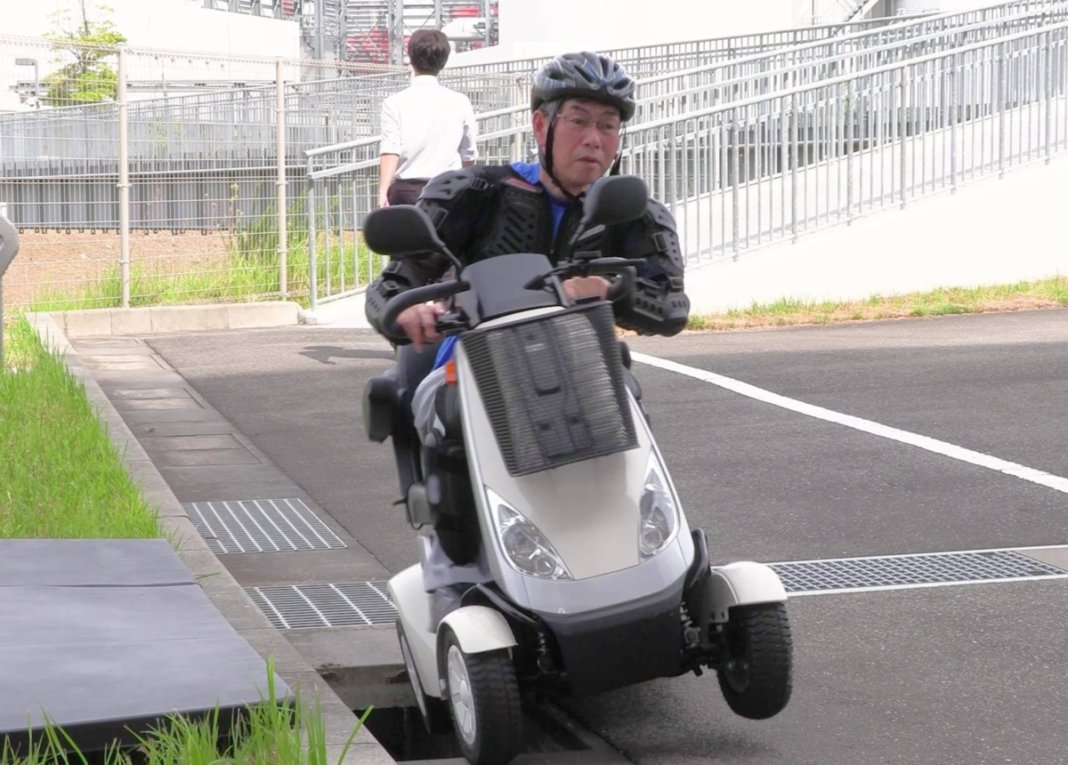

Rising Concerns: The Growing Dangers of Electric Wheelchair Use Among the Elderly
The use of electric wheelchairs has become increasingly common, providing mobility and independence to those with reduced walking capabilities. However, recent statistics reveal a troubling trend: deaths involving elderly people using electric wheelchairs have been on the rise over the past decade. This alarming increase has prompted authorities to issue warnings to users, particularly emphasizing the need for caution when operating these devices alone.
Statistics Highlighting the Issue
Between January and August of this year, the National Institute of Technology and Evaluation (NITE) reported that five individuals aged 60 or older lost their lives in accidents involving electric wheelchairs. This statistic marks a significant moment for public health officials, who are closely monitoring the safety of mobility devices that many elderly individuals rely on. As the demographic of older adults continues to grow, understanding these numbers is crucial for developing effective safety measures.
A Decade of Increasing Risks
Since the initiation of record-keeping for deaths and injuries related to electric wheelchair accidents in 2015, there has been a steady rise in incidents among older adults. Tomoya Shimizu, a spokesperson for NITE, pointed out that the data trends suggest this upward trajectory is likely to persist. This long-term increase raises important questions about the factors contributing to these tragic occurrences.
Common Causes of Accidents
Accidents involving electric wheelchairs can often be attributed to a variety of factors. One primary concern is the user’s ability to navigate safely in various environments, such as busy streets or uneven sidewalks. Many elderly individuals may not have the reflexes or strength to react quickly in emergencies, leading to potential collisions or tumbles. Additionally, issues with visibility, both for the user and those around them, can compound these risks.
Importance of Safety Precautions
With the increasing rate of incidents, authorities emphasize the need for elderly users to adopt safety precautions. Education plays a vital role in enhancing awareness. Ensuring that operators understand how to use their electric wheelchairs correctly involves not only instruction from retailers and manufacturers but also ongoing dialogue among healthcare providers, family members, and users themselves.
Recommended Safety Practices
Some recommended safety practices include:
-
Regular Training: Ensuring that users receive periodic training on how to operate their electric wheelchair, including familiarization with controls and emergency procedures.
-
Environmental Awareness: Encouraging users to be mindful of their surroundings, including road conditions and pedestrian traffic, can greatly reduce risk.
-
Routine Maintenance: Regular check-ups of the wheelchair’s functionality, including brakes, lights, and battery health, are critical for safe operation.
Community Involvement
Community resources can also play a role in enhancing safety for elderly electric wheelchair users. Local organizations might conduct workshops or support groups where individuals can share tips and experiences about using their devices more safely. Increased awareness within the community can help foster an environment that encourages vigilance and support for those who may be vulnerable.
The Road Ahead
As the population of elderly individuals continues to grow, so does the demand for effective solutions to combat the risks associated with electric wheelchair use. Stakeholders, including manufacturers, healthcare providers, and policymakers, must work together to create comprehensive strategies that prioritize user safety. This collaborative effort will be vital in curbing the rising trend of accidents and ensuring that the users of electric wheelchairs can navigate their environments confidently and safely.
In summary, while electric wheelchairs offer essential mobility, it is crucial for users and communities to stay informed and proactive about safety measures. Awareness and education can significantly impact the wellbeing of older adults who depend on these devices for their mobility needs.