
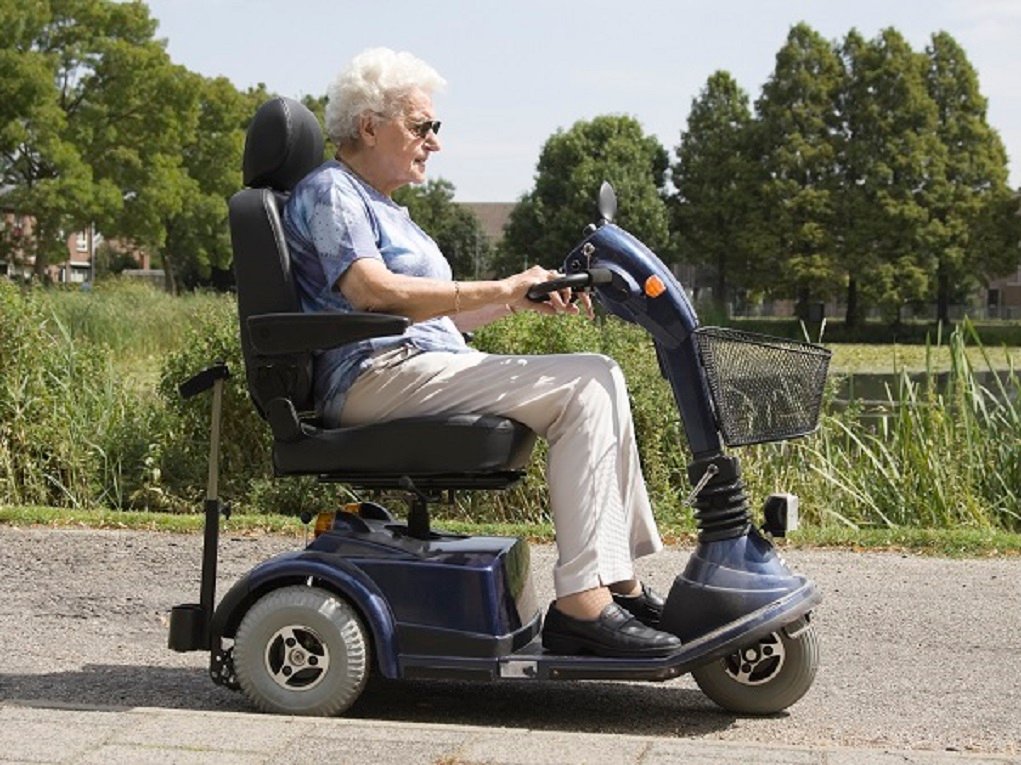

Loss of balance is one of the most common—and often most unsettling—changes that come with aging. It rarely happens all at once. It might start with feeling unsteady when standing up, needing to pause before taking a step, or feeling unsure on uneven ground. Over time, these moments can lead to fear of falling, which quietly limits independence and confidence.
For many seniors, mobility scooters offer a safe and practical way to stay active without the physical strain or risk that comes with walking aids. When chosen carefully, the right scooter can provide stability, comfort, and peace of mind. This guide is written for seniors with limited balance and for family caregivers who want clear, honest information without pressure or sales talk.
Understanding Balance Challenges in Seniors
Balance issues can develop for many reasons. Changes in the inner ear, muscle weakness, joint stiffness, nerve damage, vision loss, or medication side effects can all play a role. In many cases, it is not a single cause but a combination of factors that makes standing and walking feel uncertain.
The primary concern is safety. When balance is compromised, even short walks can increase the risk of falls. For seniors who find walking aids tiring or unstable, staying seated while moving is often the safest option. Mobility scooters are designed with this exact need in mind.
Why Mobility Scooters Can Be Safer Than Walkers or Canes
Walkers and canes require good coordination, grip strength, and upper-body control. For seniors with limited balance, these aids can sometimes make movement feel more stressful rather than more secure.
A mobility scooter allows the user to remain fully seated while traveling. This reduces the need to balance while moving and helps protect joints that may already be painful or weak. Many seniors find that once they switch to a scooter, they are more willing to leave the house, socialize, and stay engaged in daily life.
What Makes a Scooter Suitable for Limited Balance?
Not every mobility scooter is ideal for balance concerns. Certain features are especially important.
Stability and Wheel Design
Four-wheel scooters generally provide the best stability. They offer a wider stance and better side-to-side balance, especially when turning or traveling over uneven surfaces. Larger wheels also help absorb small bumps and cracks in sidewalks.
Supportive Seating
A comfortable, high-back seat with proper lumbar support helps the user feel secure. Armrests are essential, both for comfort and for assisting with sitting down and standing up. Swivel seats are also helpful, as they allow safer transfers without twisting the body.
Low Step-On Height
A low platform makes getting on and off the scooter easier and safer. Seniors do not need to lift their legs as high, reducing the chance of losing balance during transfers.
Smooth Controls
Gentle acceleration and controlled braking make a big difference for users with balance issues. Sudden movements can feel unsettling, so smoother controls help build confidence.
Types of Mobility Scooters to Consider
Full-Size Four-Wheel Scooters
These are often the best choice for seniors with moderate to severe balance challenges. They are designed for daily use and offer excellent stability.
Pros:
-
Strong, stable design
-
Larger seats with more support
-
Longer battery range
Cons:
-
Heavier and harder to transport
-
Require more storage space
Mid-Size Mobility Scooters
Mid-size scooters offer a good balance between stability and maneuverability. They work well for seniors who want both safety and flexibility.
Pros:
-
Stable enough for balance concerns
-
Easier to handle than full-size models
Cons:
-
Slightly less cushioning and range
Portable or Travel Scooters
These scooters are best for mild balance issues and occasional use. While convenient, they may not provide enough stability for everyone.
Pros:
-
Lightweight and easy to transport
-
Suitable for short trips
Cons:
-
Smaller seats and wheels
-
Less stable on uneven surfaces
Safety Features That Matter Most
When balance is limited, safety features are essential rather than optional.
Look for scooters with anti-tip wheels, adjustable speed settings, bright lighting, reflectors, and an easy-to-use horn. These features improve stability and visibility, especially in busy environments like parking lots or shopping centers.
Practical Tips for Safe Use
Even the right scooter requires good habits.
Sit fully back in the seat before moving. Keep both feet flat on the platform. Slow down before turns. Avoid steep slopes unless the scooter is designed for them. Practicing in a quiet area can help build confidence before using the scooter in public spaces.
Feeling nervous at first is normal. Most users adjust quickly as they become familiar with the controls.
How to Choose the Right Scooter
Choosing a mobility scooter is not about finding the most expensive or most popular model. It is about finding what fits the user’s daily life.
Consider where the scooter will be used most often, how far it needs to travel, whether it must fit into a vehicle, and how much seat support is needed. Including the senior in this decision helps ensure comfort and confidence.
Cost, Purchasing Options, and Where to Look
Prices vary depending on size, features, and battery range. Some scooters may qualify for insurance or Medicare coverage when prescribed by a healthcare provider, though approval rules can be strict.
Many families choose to purchase directly from specialized mobility retailers to compare features and models designed specifically for seniors with balance concerns. You can explore suitable options through this trusted mobility scooter retailer.
Some websites, including this one, may include affiliate links. If you choose to purchase through them, the site may earn a small commission at no extra cost to you.
A Gentle Medical Note
This article is for general information only and does not replace professional medical advice. Because balance issues can have many causes, it is always wise to speak with a doctor or physical therapist before choosing mobility equipment.
Limited balance does not have to mean limited life. With the right mobility scooter, many seniors regain the confidence to move safely, stay connected, and enjoy their days with greater ease and independence.