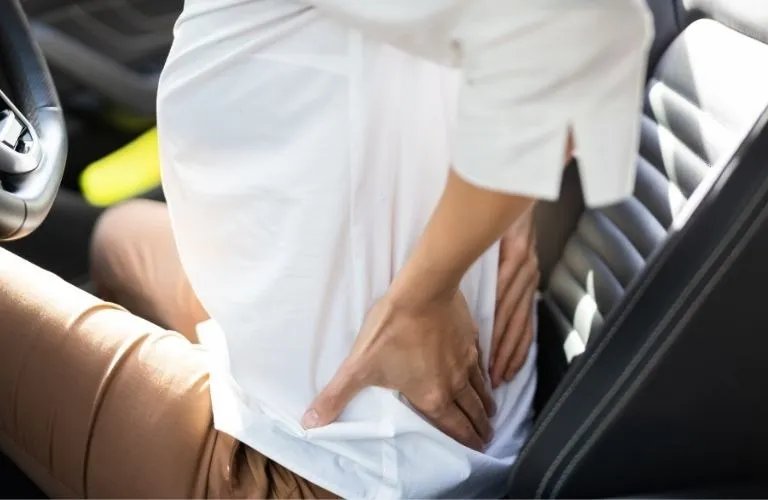

Every year, national initiatives like Back Care Awareness Week remind us that making small, thoughtful changes to our daily routines can yield significant benefits for our health. One vital area of focus is spinal health, which is influenced not just by our posture or exercise but also by the ways we move, lift, and travel. For many, the time spent in a car—whether commuting to work, visiting friends, or embarking on a long journey—can profoundly affect back comfort and overall well-being.
For those navigating life with back pain or mobility challenges, having the right vehicle adaptations can transform driving and travel into a far more comfortable experience. Smart solutions designed to alleviate strain contribute greatly to personal independence and ease of movement. This is particularly crucial for those who want to maintain their mobility without compromising their health. By implementing thoughtful adaptations in vehicles, individuals can enjoy greater freedom on the road.
At Mobility in Mobility in Motion, we specialize in providing innovative vehicle adaptations to make life on the road smoother and safer. Many people do not realize that the moments involving driving and car transfers are often when unnecessary strain is placed on the back. Therefore, mobility adaptations not only offer convenience but also play a vital role in promoting spinal health and preventing pain.
Our range of adaptations includes adjustable seating solutions, which aim to enhance comfort and accessibility. For example, contoured seats that provide lumbar support can help maintain proper spine alignment during drives. Adjustable seat height also allows individuals to enter and exit the vehicle with ease, reducing the risk of painful movements that may exacerbate back issues.
Another popular option we offer is the swivel seat. This ingenious adaptation allows the seat to rotate, making it significantly easier to get in and out of the vehicle. By minimizing twisting motions, swivel seats can help prevent strain on the back muscles and reduce discomfort, especially for those with existing mobility limitations.
In addition to seating adjustments, our vehicle adaptations include hand controls. Designed for individuals with limited lower body mobility, these controls enable safe driving without the need to use conventional pedals. By freeing up the driver’s legs, hand controls provide not only greater control but also reduce the need for awkward bending or stretching that could aggravate back pain.
For longer journeys, we also recommend considering ergonomic travel accessories. Cushions designed specifically for lumbar support can provide both cushioning and stability, helping to maintain proper posture during extended periods of sitting. Portable heated seats, which offer warmth and support, can soothe aching muscles while on the road—making long trips more bearable and enjoyable.
Maintaining a healthy back during travel involves more than just adaptations; it also requires mindful habits. For instance, practicing good ergonomics while driving is crucial. This includes adjusting the seat to ensure that your feet can reach the pedals comfortably without straining. Taking regular breaks during long drives allows for gentle stretching to relieve tension that may build up in the back.
Lastly, incorporating safe lifting techniques when loading and unloading items from your vehicle can also make a substantial difference. Utilizing assistive devices, such as reachers or grabbers, helps avoid bending and twisting—common movements that often lead to back strain. By making these small yet significant adjustments to how we operate within our vehicles, we can create a healthier driving environment.