
Reassessing Mobility Devices for Safety: A Call to Action for Seniors
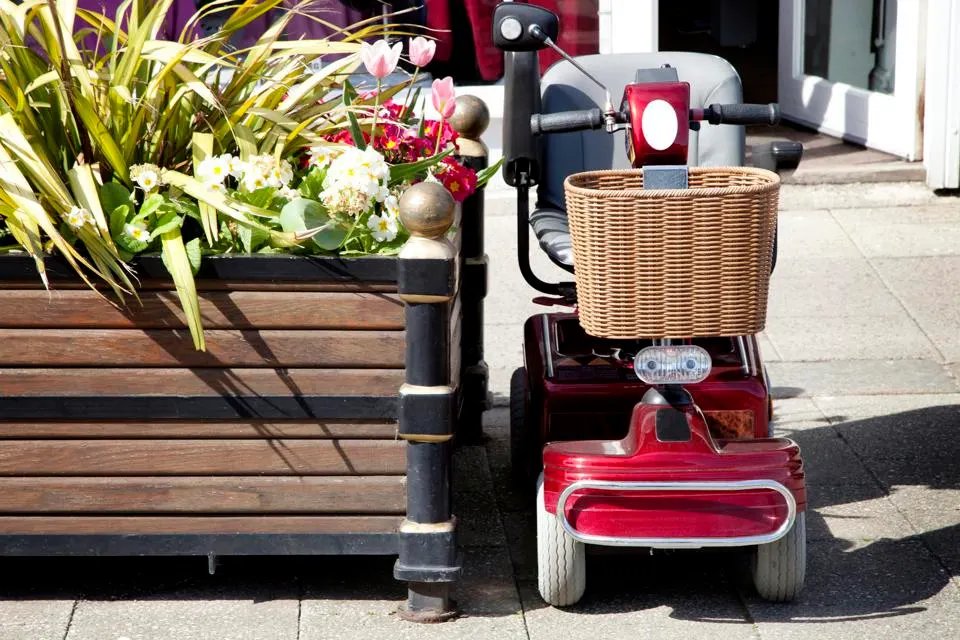
As we age, maintaining independence is a priority for many, and mobility-assisting devices like electric wheelchairs and power-assisted bicycles play a crucial role in that journey. However, authorities are raising awareness about the importance of rechecking how these devices are used, especially among older adults. The rising number of accidents highlights the need for vigilance and education in the safe use of these essential tools.
Understanding the Risks
Recent statistics from the National Institute of Technology and Evaluation (NITE) reveal a concerning trend: between 2012 and 2022, there were 56 recorded accidents involving individuals aged 65 and older while using electric wheelchairs. These incidents can vary from minor mishaps to severe injuries, stressing the importance of understanding the risks involved in operating such devices.
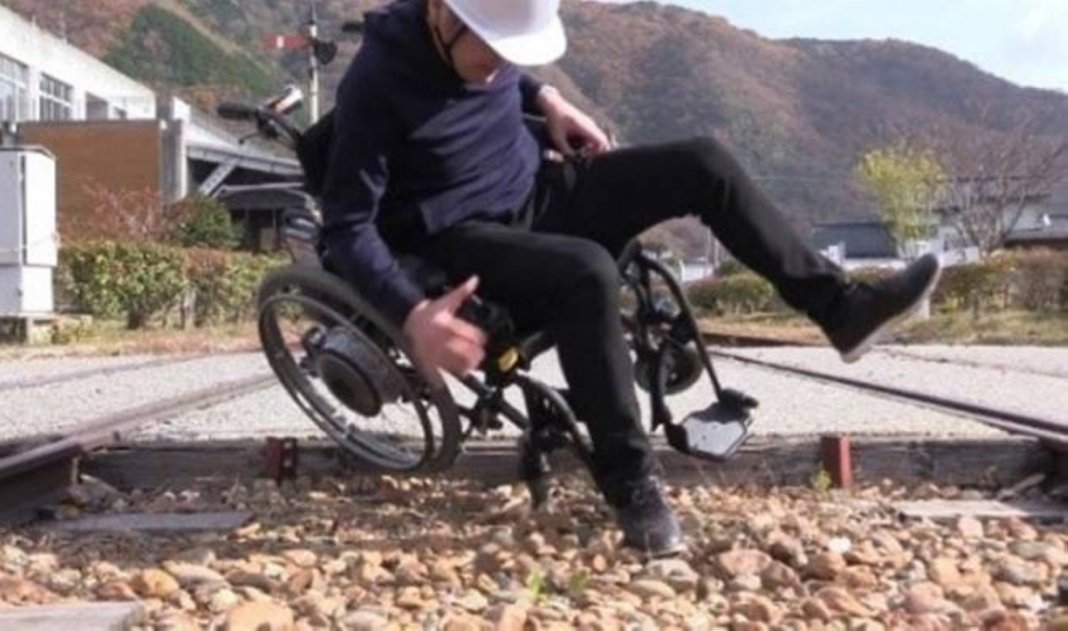
One tragic case stands out—a man in his 90s lost his life in a horrific accident when his electric wheelchair malfunctioned. The incident, which occurred in September 2022 in Nagano Prefecture, serves as a stark reminder of the potential dangers that can arise from operating these devices without fully understanding their mechanics or safety features.
Common Causes of Accidents
Several factors contribute to accidents involving electric mobility devices. Operator error is often at the top of the list, whether it’s due to unfamiliarity with the device’s controls or misjudging the environment, such as navigating uneven surfaces or poorly marked areas.
Moreover, the significance of maintenance cannot be overstated. Regular checks on battery functionality, brakes, and wheels are essential to ensure devices are in prime working condition. Neglecting these checks not only increases the likelihood of malfunction but also jeopardizes the safety of the user and those around them.
Enhancing Awareness and Education
In light of these risks, local governments and health organizations are advocating for enhanced safety education. Workshops and training sessions can offer seniors a chance to familiarize themselves with their devices under professional guidance.
These sessions can cover vital topics, including:
- Understanding Controls: A deeper knowledge of the steering and braking mechanisms can prevent many accidents.
- Navigational Safety: Learning how to assess their surroundings and identify potential hazards can empower users to make safer choices.
- Maintenance Routines: Guidance on regular checks can help ensure devices are always safe and operable.
Technology and Safety Features
Modern electric wheelchairs and bicycles are equipped with various safety features that can significantly reduce the risk of accidents. Anti-tip mechanisms, automatic braking systems, and enhanced stability technologies are just a few examples.
Encouraging seniors to explore these features during their training can help them become more confident users. Understanding how to leverage technology for safety can ultimately provide peace of mind, allowing for a more enjoyable experience while using these devices.
The Role of Family and Caregivers
Family members and caregivers play a vital role in this equation. They can help facilitate discussions around mobility safety and encourage loved ones to participate in training sessions. Additionally, caregivers should regularly assess whether the chosen mobility device is the best fit for their loved one’s needs, as comfort and suitability can significantly influence safe usage.
Moreover, caregivers can help ensure that environments—both at home and in public spaces—are conducive to safe mobility. This could include keeping pathways clear of obstacles and ensuring that charging stations for electric devices are easily accessible.
Community Involvement
Communities also have a role to play in promoting safe mobility for seniors. Public awareness campaigns can highlight the need for safety checks and the proper use of mobility devices. Additionally, the integration of accessible infrastructure—like ramps and well-maintained paths—can enhance mobility for all, especially older adults.
In encouraging community dialogue, stakeholders can foster an environment that supports safe, independent living for the elderly. Active discussions can also lead to improved resources and better-designed public spaces tailored to the needs of seniors.
Conclusion
The call for older individuals to reassess their use of mobility devices is not just a warning; it’s a plea for empowerment and education. Through understanding the risks, participating in safety training, and fostering community support, seniors can navigate their environments confidently and safely. With the right tools and knowledge, independence can continue to thrive well into the golden years.