

Incident Overview
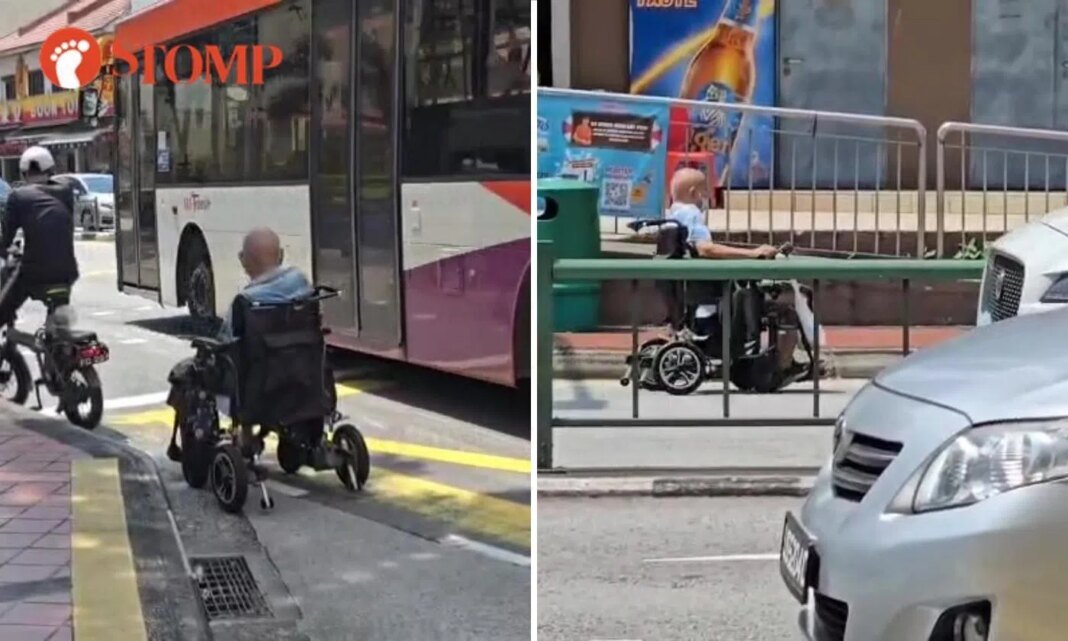
On the morning of October 5, a concerning situation unfolded in Balestier, Singapore, when an elderly man was spotted riding his electric wheelchair on the road instead of the designated footpath. This incident, highlighted by a video shared by local resident Stomper Ut, raises questions about safety and compliance with traffic regulations.
The Video and Its Context
The video, captured around 11:39 AM, shows the man maneuvering his electric wheelchair across a bus bay situated in front of the Giffard Mansion. He stops at a pedestrian crossing, waiting for the traffic lights to change. Once green, he moves cautiously across the road. However, instead of sticking to the footpath upon reaching the opposite side, he unexpectedly turns onto the road.
Public Reaction
The footage sparked a wave of concern among viewers, including Stomper Ut, who commented in disbelief, “Oh, no… Is he tired of living? Waiting for an accident to happen. Then whose fault?” This reaction underscores a common sentiment: the fear of potential accidents involving vulnerable road users. While the man may have felt capable of navigating the road, the risks associated with such actions are substantial.
Legal Implications
In Singapore, electric wheelchairs are categorized as personal mobility aids (PMAs) by the Land Transport Authority. Importantly, these devices are not legally permitted on roads, designated instead for footpaths and pathways. This regulation is in place to ensure safety for all road users, particularly considering the unpredictable nature of traffic environments. It emphasizes the need for wheelchair users to adhere to specific routes designed for their mobility aids.
Safety Concerns and Community Responsibility
The incident serves as a reminder of the importance of community responsibility toward the safety of all individuals, particularly the elderly and those with mobility challenges. While regulations provide a framework for safe mobility, educating users about these laws and fostering a safer environment is equally crucial. Ensuring that infrastructure supports mobility device usage without endangering users is a shared responsibility among community members, city planners, and authorities.
Potential Solutions
One viable solution could involve increasing the availability and visibility of designated pathways for mobility aids. Local government initiatives might also focus on installing more clear signage and signals specifically for wheelchairs and PMA users, thereby enhancing awareness among all road users. Moreover, community awareness campaigns could educate both drivers and wheelchair users about safe practices and traffic rules.
Looking Ahead
As urban areas continue to evolve and adapt to diverse transportation modes, the conversation about safety for all types of mobility users will undoubtedly intensify. This incident serves as a crucial touchpoint for discussions about inclusivity, safety regulations, and the broader narrative of how urban planning can better accommodate individuals with mobility challenges.
Join the Conversation
As this topic remains at the forefront of community discussions, it’s vital for residents to engage and share their perspectives. Conversations can help pave the way for improvements in local infrastructure and policies, ensuring that all individuals—irrespective of their mobility needs—can navigate their surroundings safely and confidently.