
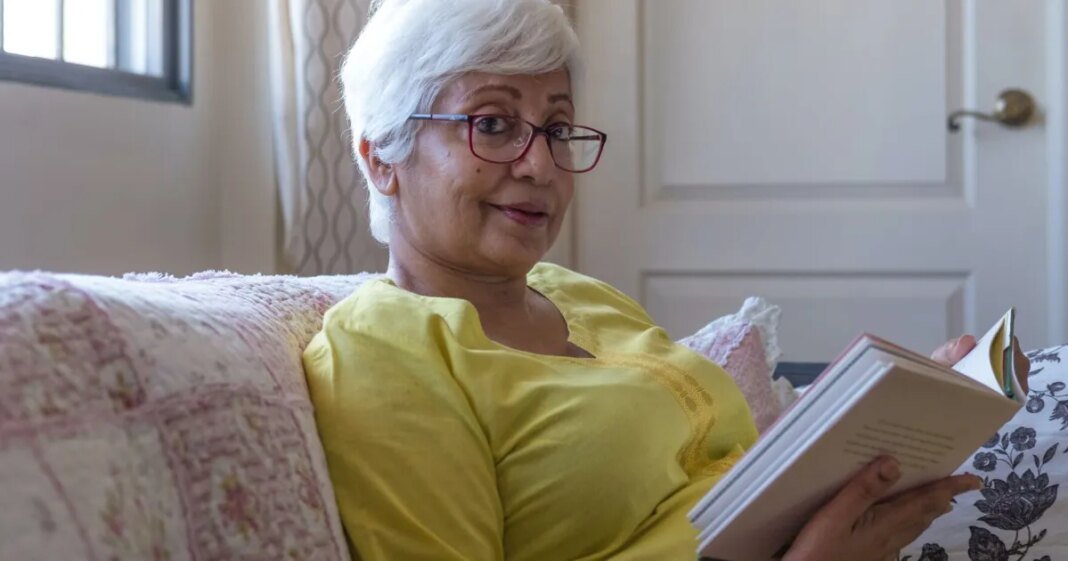

When Is It Time to Move On? A Guide for Seniors and Their Families
Understanding the Need for Change
When is it time to move on? This question often weighs heavily on the minds of seniors and their families. Many individuals find themselves in homes they’ve cherished for decades, perhaps for 40 or 50 years. However, the upkeep of a longtime residence can become overwhelming as mobility and health issues increase with age. Deciding whether to retrofit a home or relocate to a more accommodating facility is a pivotal consideration in this stage of life.
Exploring Available Options
Nancy Goffman, a community relations liaison at Home Instead, offers insights into the various living options available for seniors. She asserts that ideal living environments for older adults encompass features that enhance safety while promoting independence. The objective should be to allow seniors to continue enjoying their lives, but in a secure environment that provides easy access to necessary care.
A survey conducted by the University of Michigan’s Institute for Healthcare Policy and Innovation reinforces this sentiment, revealing that 88% of American adults aged 50 to 80 prefer to remain in their homes. While this preference is understandable, it’s essential to weigh the reasons for any necessary lifestyle adjustments.
The Burden of Home Maintenance
As Goffman explains, it’s common for seniors to find their homes increasingly difficult to maintain. Larger homes require substantial effort and resources for cleaning, repair, and upkeep. As health or mobility diminishes, the regular tasks of home maintenance can become daunting. For many, fixed incomes or limited retirement funds may not be sufficient to cover these rising costs, leading to financial strain.
With this in mind, downsizing can offer relief from physical, emotional, and financial burdens. A smaller living space can foster a more manageable lifestyle, allowing seniors to focus on comfort and sustainability.
Retrofitting for Safety and Independence
For those who wish to remain in their homes, retrofitting becomes a key consideration. Safety is paramount, and Goffman emphasizes various modifications to enhance living conditions. Essential safety features may include:
- Grab Bars: Installing grab bars near toilets and showers greatly reduces the risk of slipping, aiding mobility.
- Walk-in Showers: Opting for walk-in showers with seats or using shower benches can enhance safety and comfort.
- Removing Rugs: Eliminating rugs and mats in critical areas such as bathrooms and hallways minimizes fall risks.
- Improved Lighting: Sufficient lighting in hallways, stairways, and entryways is crucial for visibility and safety.
Additionally, many seniors benefit from lowering kitchen shelves and closets to increase accessibility. Creating a step-free entry can also be vital, especially for those who rely on wheelchairs or walkers, necessitating the installation of ramps or widened doorways in specific areas like bathrooms.
Key Accommodations for Safety
While retrofitting aims to improve comfort and security, Goffman highlights the importance of one crucial accommodation: an Emergency Response System. These systems provide immediate assistance in urgent situations, offering peace of mind for those living alone.
In addition to this, other safety aids may include:
- Stair Lifts: These devices enable safer navigation of multi-level homes.
- Adjustable Beds: They can assist those facing mobility challenges or needing to elevate certain body parts for medical reasons.
- Lift Chairs: Especially helpful for seniors, lift chairs simplify the process of sitting down and standing up, minimizing fall risks.
Navigating the Decision to Move or Stay
Determining whether to stay in a longtime home or transition to a senior-friendly environment is indeed a complex decision. Factors like personal safety, financial stability, and emotional well-being all play crucial roles. As families navigate these conversations, it’s vital to consider the perspective and wishes of the senior individual involved. Each situation is unique, demanding careful thought and planning.