
Rising Concerns Over Personal Mobility Aid (PMA) Lookalike Misuse in Singapore
In recent years, Singapore has witnessed a significant surge in offences related to the misuse of Personal Mobility Aid (PMA) lookalikes. According to the Land Transport Authority (LTA), the number of these offences soared to 38 in 2024, marking an increase of over five times from just six cases in the previous year. This alarming trend raises questions about safety and regulatory measures in the realm of personal mobility aids.
The Nature of Offences
The offences most commonly reported focused on two main areas: riding non-compliant PMAs and operating a PMA lookalike or e-scooter on footpaths. While specific offending numbers were not disclosed, the LTA spokesperson highlighted these patterns as a growing concern. This rise in misuse has prompted discussions around tightening regulations to ensure safer use of mobility aids in public spaces.
Upcoming Regulatory Changes
In light of the increasing incidents, the LTA has announced plans for new measures aimed at regulating PMA usage further. These measures, accepted by the Ministry of Transport in March 2024, are set to be implemented by the end of 2025. One key recommendation is that only users with relevant medical certification will be permitted to operate PMAs. Moreover, the speed limit for PMAs will be reduced from 10 km/h to 6 km/h, striving to enhance pedestrian safety.
Notably, individuals with disabilities and seniors utilizing government-subsidized mobility scooters will not be required to obtain additional certification for continued use of their PMAs. This exemption aims to ensure that mobility aid remains accessible for those who truly need it.
The Rise in Illegal Use
The LTA reports have also highlighted other instances of PMA misuse in 2024. Three riders were caught using non-compliant devices, and there were cases where PMA users were found riding at speeds exceeding the legal limit of 10 km/h. Furthermore, the number of PMA users caught riding illegally on roads rose to 12, a considerable jump from just four cases the previous year. This trend illustrates the pressing need for stricter enforcement and public education around the lawful use of PMAs.
Understanding PMAs and Their Lookalikes
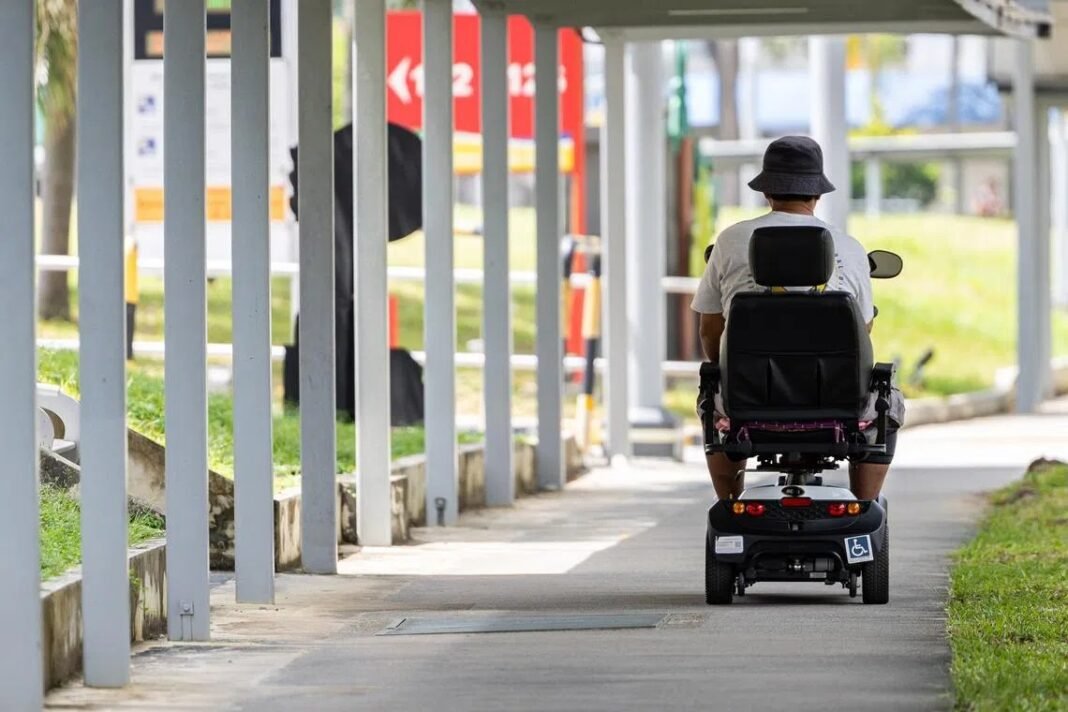
Under the Active Mobility Act, PMAs typically include both motorised and non-motorised wheelchairs and mobility scooters. These devices are specifically designed for individuals who are unable to walk or have difficulty walking. Unlike PMA lookalikes, such as diesel-powered personal mobility devices (PMDs), which can only be used on designated shared and cycling paths, PMAs are allowed on footpaths.
One of the crucial distinctions between PMAs and their lookalikes is the number of seats. PMAs are generally single-seated to accommodate one mobility-challenged individual, while lookalike devices often feature multiple seats. This design difference leads to confusion, as families using devices with extra seating arrangements have been spotted riding together.
Specifications and Regulations for PMDs
In addition to PMAs, the LTA regulates several other types of personal mobility devices (PMDs), including hoverboards and motorised skateboards. According to LTA regulations, PMDs cannot exceed a maximum speed of 25 km/h. Furthermore, only e-scooters that meet the UL2272 safety standard and are registered with the LTA are permitted for use in Singapore.
Riders of these devices must also pass a mandatory theory test before they are allowed to use e-scooters on cycling paths. The emphasis on compliance with safety standards is critical, as errant riders using non-compliant devices face severe penalties, including fines up to $10,000 or a maximum six-month jail term.
Public Safety and Future Outlook
The steep increase in PMA lookalike misuse has prompted a reevaluation of safety protocols and the regulatory framework. As Singapore prepares for new measures, the focus will remain on ensuring that PMA users adhere to the regulations designed to protect both themselves and the general public. Moving forward, public awareness campaigns will likely play a pivotal role in educating users about safe practices, compliance, and the importance of utilizing devices designed specifically for mobility assistance.