
Transforming Lives: Innovations in Disabled and Elderly Assistive Devices
Understanding Assistive Devices
Assistive devices play a pivotal role in enhancing the quality of life for disabled and elderly individuals. These devices, equipment, or systems are meticulously designed to aid individuals who struggle with daily activities due to physical or cognitive challenges. According to the World Health Organization (WHO), the global population aged 60 and older reached approximately 1.4 billion in 2020, a figure projected to surge to 2.1 billion by 2050. Adding to this, around 1.3 billion people worldwide face some form of disability. Thus, advancements in assistive technology are not merely beneficial; they are imperative for promoting accessibility and well-being among these populations.
Key Trends Driving Innovation
1. Integration of Artificial Intelligence
Artificial Intelligence (AI) is transforming assistive devices, making them more intuitive and responsive. By learning from user interactions, AI-enabled devices can adapt to individual needs. For instance, AI-driven communication devices can predict phrases based on previous inputs, significantly aiding those with speech impairments. This adaptability not only enhances functionality but also empowers users, making communication more fluid and effective.
2. Robotics and Automation
Robotics is at the forefront of transforming mobility aids for the elderly and disabled. Innovations such as exoskeletons allow individuals with spinal cord injuries to regain the ability to stand and walk autonomously. Meanwhile, automated home systems, including smart devices and robotic assistants, simplify daily tasks—ranging from medication management to household chores—creating a more manageable living environment for seniors and disabled individuals.
3. Wearable Technology
Wearable devices, including smartwatches and fitness trackers, have revolutionized health monitoring. They provide real-time data on physical activity, heart rate, and even detect falls. These capabilities not only facilitate immediate responses to emergencies but also foster proactive health management, enabling users to live more independently while keeping caregivers informed.
4. Integration of the Internet of Things (IoT)
The advent of IoT has made it possible for various assistive devices to connect and operate seamlessly. This interconnectedness ensures that mobility aids, artificial vision systems, and smart home devices can be managed remotely, increasing their usability. For instance, smart sensors in homes can alert caregivers to any unusual activities or health changes, aiding timely intervention.
Cutting-Edge Innovations in Assistive Devices
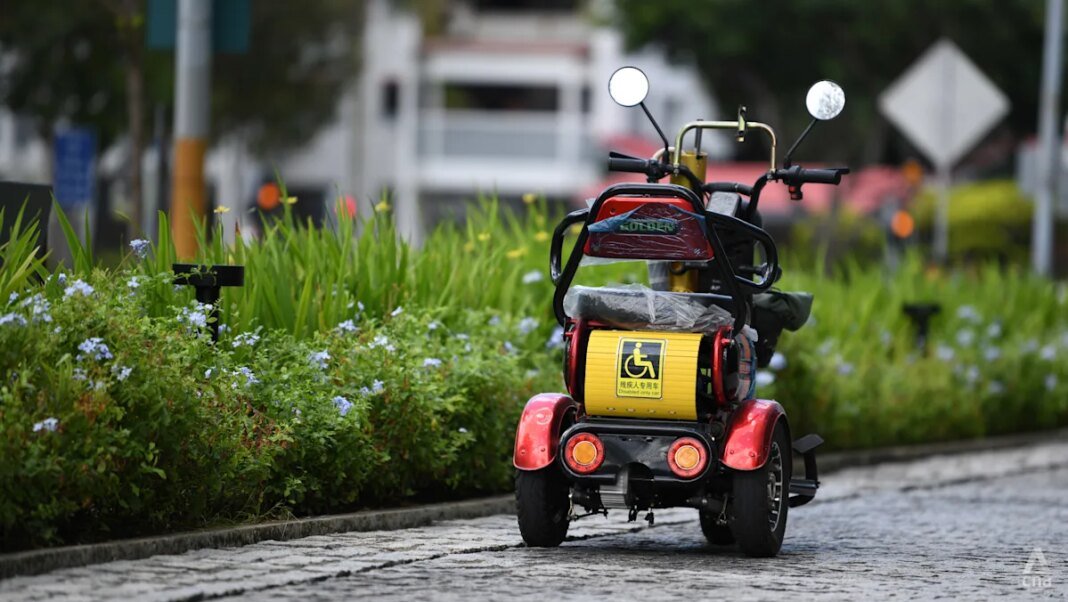
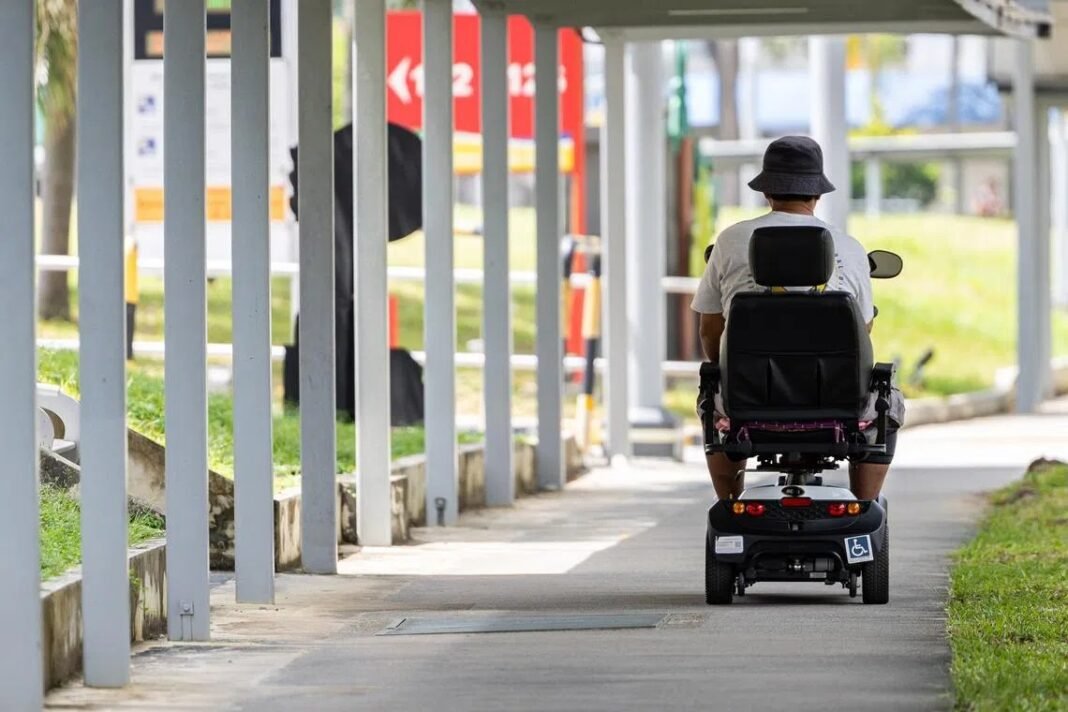
1. Smart Wheelchairs and Mobility Aids
Recent developments in smart wheelchairs have greatly advanced functional capacity. For instance, Munevo Drive uses gesture control technology, allowing users to operate the wheelchair through head movements or eye-tracking, replacing traditional joystick controls. Such innovations include safety features like obstacle detection, fostering a more autonomous lifestyle.
The IX BACK AIR exoskeleton, developed by SuitX, exemplifies how robotics enhance mobility for users. It is designed for activities like walking and lifting, significantly boosting users’ independence and quality of life.
2. Advanced Communication Devices
Augmentative and Alternative Communication (AAC) devices are crucial for those with speech challenges. The Tobii Dynavox I-13 offers eye-tracking technology for effortless communication, allowing users to create speech by merely moving their eyes. Customization options enable users to adapt the device to their specific needs, personalizing their communication experience.
3. Innovative Hearing Aids
Smart hearing aids have harnessed digital technology to enhance the hearing experience for individuals facing hearing loss. The Widex SmartRIC is designed to provide exceptional sound quality, while the Phonak Lyric offers a virtually invisible solution that fits deep in the ear canal for a natural listening experience.
4. Voice-Controlled Assistants
Voice-controlled assistants bring hands-free accessibility to various tasks. Recently, Microsoft launched personalized voice technologies that allow individuals with speech disabilities to create a digital voice closely mirroring their natural speech patterns, enriching their communication experience.
5. Cutting-Edge Vision Aids
Vision aids are also evolving, promoting independence for individuals with visual impairments. The eSight Go device enhances visual clarity through a lightweight design and wide field of view, helping users with central vision loss navigate their environments more effectively.
6. Personalized Assistive Technologies
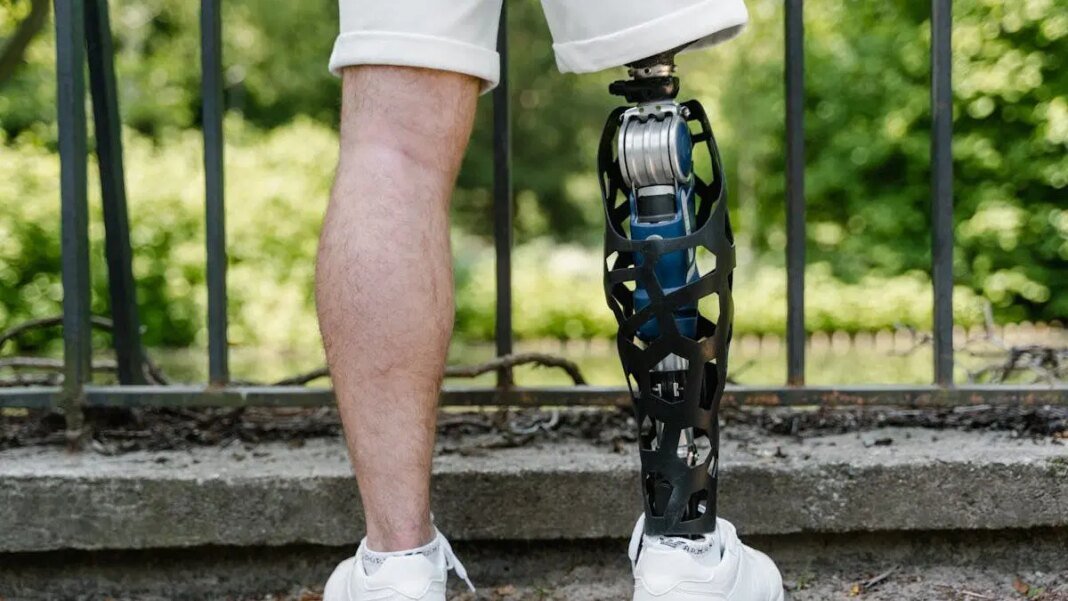
Personalized assistive devices are becoming increasingly prevalent, offering tailored solutions for users. Innovations like rehabilitation gloves from Syrebo improve motor functions for those with hand disabilities, while customizable prosthetic technology enhances mobility and functionality for users. These advancements are game-changers, providing the required support for daily activities.
Challenges Ahead in Assistive Technology
Despite these remarkable advancements, the journey is not without its challenges.
1. Affordability and Accessibility
The high cost of cutting-edge assistive devices may limit their adoption among elderly or disabled individuals. To combat this, initiatives from governments and non-profits could provide grants or subsidies to make these technologies more accessible.
2. Privacy and Security
The integration of IoT and AI into these devices raises significant privacy concerns. Unauthorized access to sensitive data regarding health and activity necessitates the implementation of robust security measures to protect users’ information.
3. Awareness and Training
Many potential users lack awareness of available assistive technologies and how to operate them. Educational campaigns that engage communities through targeted outreach can enhance understanding, facilitating more effective adoption of these innovations.
Through continued focus on these areas, the assistive technology landscape can foster inclusivity and empower individuals with disabilities and the elderly to navigate daily life with greater ease and independence. As the field evolves, ongoing research and development promise a more accessible future that embraces and integrates diversity in capabilities.