
PMA REGULATIONS
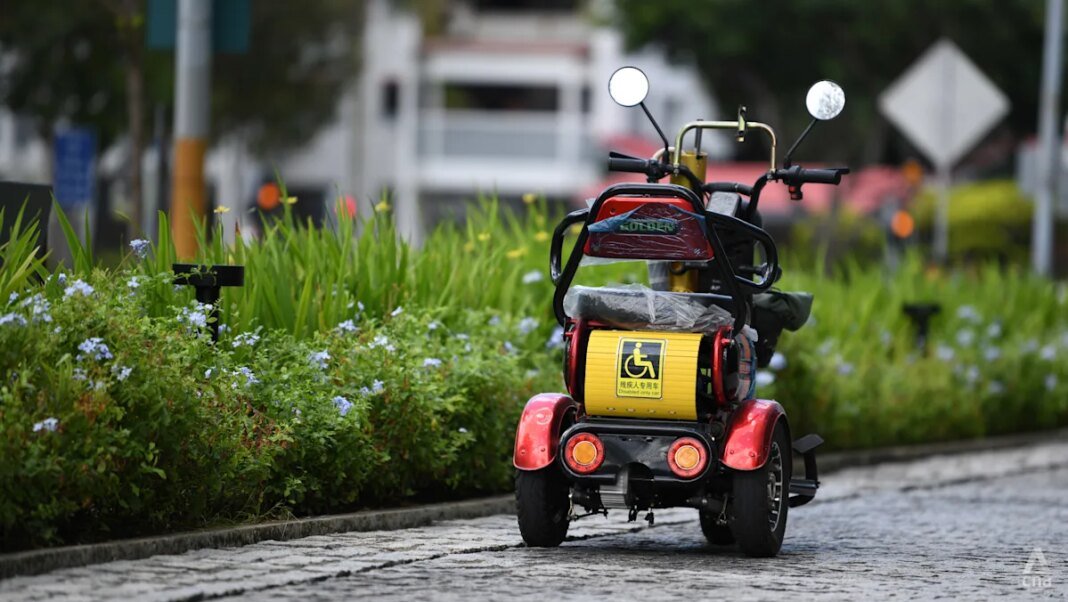
Personal mobility aids (PMAs) play an essential role in enhancing the independence of individuals with mobility challenges. The landscape of PMAs primarily encompasses three types: manual wheelchairs, motorized wheelchairs, and mobility scooters. Recently, mobility scooters have come under scrutiny for increasing instances of misuse by able-bodied individuals. This concern was highlighted by the Active Mobility Advisory Panel in 2023, prompting regulatory updates aimed at ensuring these aids are used correctly and safely.
Starting in 2025, new regulations from the Ministry of Transport will require individuals wishing to use mobility scooters to obtain a medical certification. This certification must be provided by a doctor, confirming that the individual has health or physical conditions that necessitate the use of a mobility scooter. This initiative is designed not only to promote responsible use but also to uphold the integrity of the mobility aid system, ensuring it serves those who are genuinely in need.
Minister for Transport Chee Hong Tat discussed these changes during a parliamentary session on September 10, 2024, outlining collaborative efforts between authorities, healthcare providers, and welfare groups. The goal is to streamline the medical certification process, making it user-friendly for individuals who truly require mobility aids while reducing unnecessary strain on healthcare systems. By working together, stakeholders aim to create a supportive environment for those with legitimate needs, facilitating easier access to mobility aids and appropriate evaluations.
Safety measures are also a priority in the new regulations. The maximum speed allowed for PMAs will be reduced from the current rate of 10 kilometers per hour to 6 kilometers per hour. This change aligns with the typical walking speed, ensuring that PMA users can navigate roadways safely, similar to pedestrian traffic. This speed regulation aims to enhance safety for all users of public paths, thereby reducing the risk of accidents and injuries.
In addition to speed regulations, size restrictions for PMAs used on public paths will be adjusted to align closely with existing dimensional limits for PMAs utilized in public transport. These limits will be set at a width of 70 centimeters, a length of 120 centimeters, and a height of 150 centimeters, with a weight limit of 300 kilograms. However, exceptions will be made on a case-by-case basis for users with certified medical needs, recognizing that some individuals may have specific requirements that necessitate alternative configurations.
ARE WE DOING ENOUGH?
While the new regulations create a framework for more responsible PMA usage, it’s crucial to consider whether enforcement measures are sufficient. The need for robust enforcement against improper and reckless use of PMAs is paramount. Enhanced frequency and visibility of patrols could play a significant role, particularly in areas with high PMA traffic, such as neighborhood centers, parks, and shopping districts.
Closed-circuit cameras strategically placed in these hotspots can utilize video analytics to automatically detect and flag violations. Increasing public awareness through well-publicized enforcement blitzes can serve as a deterrent against misuse. This proactive approach not only reinforces existing regulations but also educates users, promoting safer interactions within public spaces.
Import controls and inspections of retailers, both physical and online, are essential in limiting the supply of PMAs to non-compliant users. Stricter penalties, such as revoking licenses for retailers that sell mobility scooters to individuals without disabilities, could tighten the grip on misuse. Additionally, incorporating tracking devices during the initial registration of PMAs with the Land Transport Authority could facilitate monitoring and compliance, helping to ensure that these aids are utilized appropriately.
Public education initiatives are just as crucial in this landscape. Many users may be unaware that their use of PMAs is inappropriate, or may inadvertently pose safety risks to themselves and others. For instance, food delivery companies could make a concerted effort to encourage their able-bodied delivery riders to opt for bicycles rather than mobility scooters for deliveries. Such initiatives could reduce congestion and misuse of PMAs while promoting healthy and environmentally friendly alternatives.
In conclusion, the evolving landscape of PMA regulations reflects a growing commitment to ensuring that mobility aids are reserved for those who truly need them. From certification requirements and speed regulations to enforcement and public education, a multi-faceted approach is essential in fostering understanding and compliance. Only with these collective efforts can we create a safer, more inclusive environment for all users of PMAs.