
Understanding Mobility Scooter Regulations: What You Need to Know
Mobility scooters have become an essential mode of transportation for many individuals with mobility challenges. While they offer a degree of independence and convenience, their use is governed by specific regulations that ensure users can navigate safely within public spaces. Recent comments by Mr. Goodman shed light on these rules, making it crucial for scooter users and potential riders to be informed.
Registration and Licensing Requirements
In many regions, mobility scooters must be registered if they are to be used on roads. Mr. Goodman pointed out that this means obtaining a license plate, as well as securing both tax and insurance for the vehicle. The necessity of registration plays a pivotal role in any regulatory framework, allowing authorities to keep track of the scooters on the road and ensuring that users adhere to safety standards.
Speed Limit Restrictions
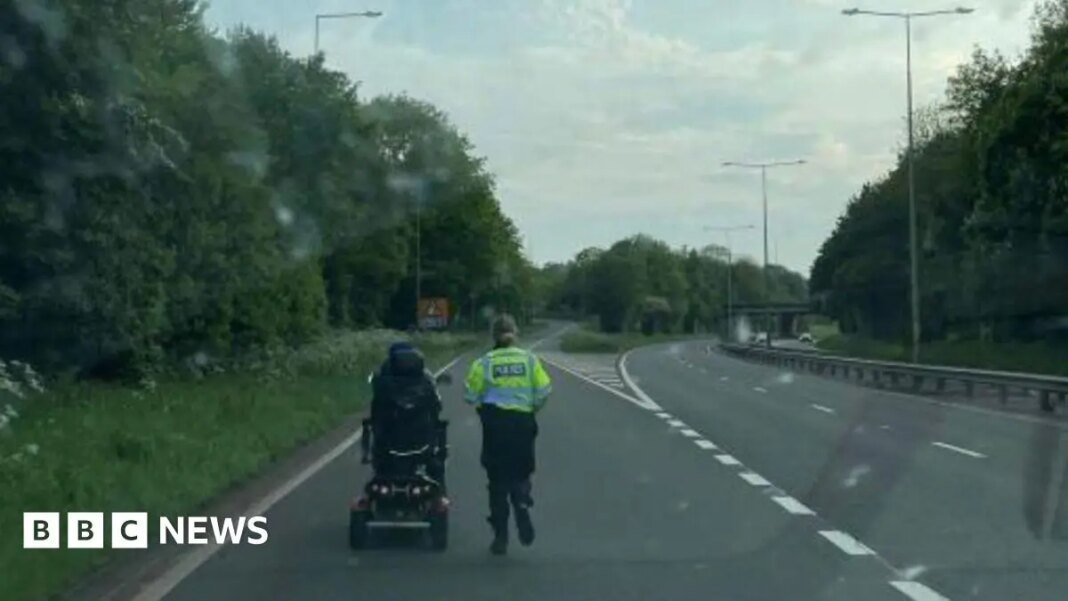
Even with proper registration, mobility scooters face restrictions regarding their road use. According to Mr. Goodman, these scooters can only be operated on roads where the speed limit is less than 40 mph. This limitation is crucial for the safety of both the scooter users and the drivers of faster vehicles. By restricting scooter use to lower-speed environments, the risk of accidents is significantly reduced, fostering a safer shared roadway experience.
Incidence of Offenses on Roads
Mr. Goodman noted that offences related to mobility scooter regulations are rare. In his experience, he had not encountered such incidents on the A442 before the recent case he referenced. This observation suggests that while regulations are in place, compliance among riders appears to be generally high. It opens a discussion about the public perception of user conduct and the effectiveness of enforcement.
Police Actions and Enforcement
In the recent case, law enforcement decided not to prosecute the individual using the mobility scooter or to seize the vehicle. This decision raises questions about the balance between regulation enforcement and understanding the unique contexts surrounding mobility needs. It emphasizes the police’s discretion in handling cases, often reflecting a more compassionate approach toward users who may be navigating a system that can sometimes be complex and challenging.
The Importance of Awareness and Education
For all mobility scooter users, awareness of these regulations is vital. Understanding the requirements for registration, the implications of road use, and the corresponding safety measures can greatly enhance the user experience. It also promotes accountability and responsible scooter use, fostering a more harmonious relationship between mobility scooter users and motorists.
Navigating the Mobility Landscape
The conversation surrounding mobility scooters is multifaceted, covering legal, safety, and social dimensions. As the landscape evolves, ongoing dialogue about regulations, user needs, and public safety will remain essential. The insights provided by figures like Mr. Goodman help to clarify the intricacies involved in navigating this complex issue, ensuring that mobility scooter users can enjoy their independence while adhering to necessary safety protocols.
The discourse around mobility scooters not only informs users but also invites a broader conversation about accessibility and transportation in our communities.