

The Shift in Senior Living: Home Elevators as a Solution
Three years ago, mortgage rates in the U.S. were comfortably low, lingering just above 2.6 percent. This favorable environment encouraged many retirees to downsize, seeking cozy, more manageable homes. For seniors, moving to smaller residences was particularly appealing, allowing them to reduce costs and escape from multi-level dwellings that could become cumbersome.
Fast forward to today, and we find ourselves in a different landscape. Mortgage rates have surged to approximately 7.5 percent, and the market is also experiencing a shortage of affordable smaller homes. Compounding these challenges is the significant fact that around 10,000 people turn 65 each day. As a result, many seniors face a dilemma: stay in their larger, often difficult-to-navigate homes or incur high relocation costs to move.
Necessity for Mobility Solutions
Given these circumstances, an increasing number of seniors are opting for home modifications like stair lifts or home elevators to help them manage their living situations more effectively. To explore the practical implications of installing a residential elevator, we sat down with Neil Cornfield from Custom Renovators of New York, who has extensive experience in this field.
Benefits of Installing a Home Elevator
1. Improved Accessibility:
For many seniors, navigating stairs can be increasingly difficult due to mobility limitations. Home elevators provide an easy method of accessing different levels of a house without the physical strain of stairs. This allows seniors to remain in their familiar environment, where they feel most comfortable.
2. Increased Safety:
Falls are a significant concern for older adults, with stairs representing a high risk factor. Elevators serve as a safer alternative, reducing the likelihood of accidents while offering features like non-slip flooring, handrails, and emergency controls.
3. Convenience and Comfort:
Daily activities such as transporting groceries or laundry between floors become far more manageable with an elevator. This added convenience greatly improves the quality of life for seniors, allowing them to perform routine tasks independently without fatigue.
4. Emotional Well-Being:
Maintaining a sense of autonomy is vital for emotional health. Being able to move freely within their home fosters a feeling of normalcy, reducing isolation and enhancing emotional well-being.
5. Aging in Place:
Installing elevators plays a pivotal role in strategies aimed at aging in place, enabling seniors to remain in their beloved homes longer without the worry of transitioning to a nursing facility or assisted living.
6. Increased Home Value:
Beyond practicality, having a home elevator can significantly boost property value. This makes it an attractive feature for potential buyers, particularly those looking for accessibility options.
Understanding Pneumatic Vacuum Elevators
What Are Pneumatic Vacuum Elevators?
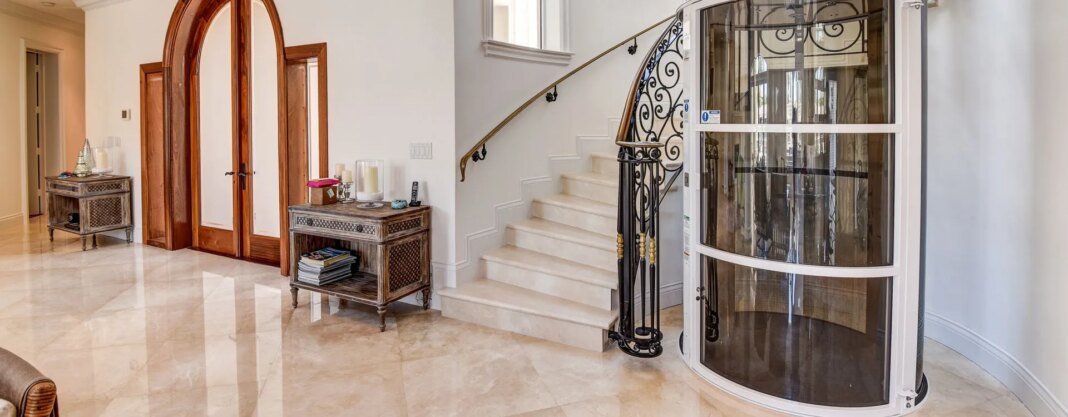
A pneumatic vacuum elevator (PVE) operates with air pressure to lift and lower an elevator car gently. The design consists of a transparent cylindrical shaft that allows for a panoramic view as it moves. Self-supporting and easier to install, PVEs do not require a separate elevator shaft or machinery room, making them a space-saving and stylish choice.
How Do PVEs Function?
A turbine assembly at the top of the elevator creates air pressure differences to facilitate movement. To ascend, air is extracted from the top of the cylinder above the cabin, creating a vacuum that allows higher air pressure below to push the cabin upward. Conversely, descending involves allowing air back into the cylinder, enabling gravity to lower the cabin smoothly.
Safety Features of Pneumatic Elevators
1. Secure Descent in Power Failures:
In the event of a power outage, PVEs have a built-in air pressure system that safely lowers the cabin. This controlled descent means there’s no risk of free-fall, and the doors unlock once it reaches the ground level.
2. Emergency Brakes:
Equipped with brakes that can stop the cabin’s movement almost immediately, PVEs offer another safety layer. These brakes engage in critical situations, effectively stopping the cabin within mere centimeters of freefall.
3. Door Interlocks:
The design includes door interlocks that prevent doors from opening while the elevator is in motion, significantly reducing the risk of accidental falls.
4. Emergency Communication:
Each elevator is fitted with a telephone, ensuring that users can reach someone in case of emergencies.
Cost Comparison: Pneumatic Vacuum Elevators vs. Traditional Elevators
Neil shares insights on the cost associated with PVEs and traditional elevators. While the initial investment for a PVE typically ranges from $30,000 to $50,000—comprising equipment and installation—traditional elevators start around $27,000 but require a dedicated shaft and machine room, which adds significantly to overall costs. Although pneumatic elevators might have a higher starting price, they generally present lower operational costs in the long run.
Real Estate Impact: Do PVEs Increase Home Value?
According to home improvement expert Bob Vila, a home elevator can increase property value by 10% to 25%. Neil experienced this firsthand with clients, some who reported doubling their investment upon selling homes equipped with PVEs just two years later. Given that assisted living facilities can cost over $50,000 annually, the upfront installation cost is quickly justified in terms of long-term value.
Through these insights, the conversation reflects a critical understanding of how home elevators, particularly PVEs, are becoming essential in facilitating senior living arrangements amidst an ever-changing housing market. With their combination of safety, accessibility, and emotional benefits, they emerge as practical solutions for maintaining independence and quality of life for seniors.