
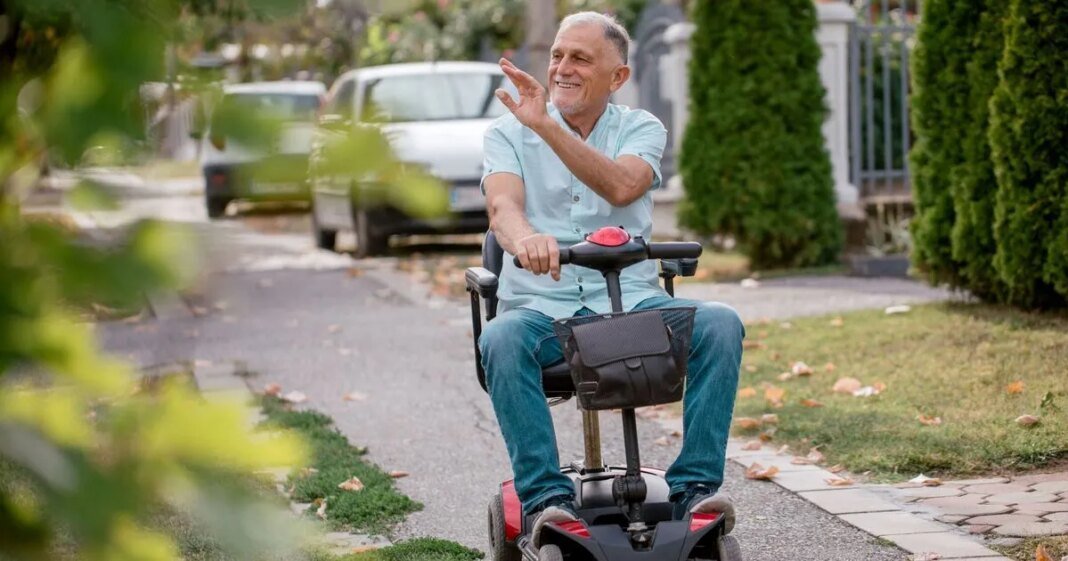

The Rising Concern Over Mobility Scooter-Related Deaths
The increase in fatalities involving mobility scooters has sparked a strong response from health officials. Recently, Samantha Marsh, the senior coroner for Somerset, put forth a clarion call to the government to take actionable measures against this growing trend. With alarming statistics noting that 16 individuals were killed in collisions involving mobility scooters in just the past year, the situation demands immediate attention.
Alarming Statistics
Recent figures from the Department for Transport reveal a striking reality: not only did 16 people lose their lives in mobility scooter-related accidents last year, but another 90 sustained serious injuries. Minor injuries were reported among 222 individuals, demonstrating that the dangers associated with these vehicles extend far beyond fatal outcomes.
The number of injuries from mobility scooter accidents has surged, with a staggering 328 incidents recorded in 2023 alone—more than double the figures from a decade ago when there were just 156 incidents leading to five deaths. This upward trajectory poses serious questions about the safety and regulation of mobility scooters.
The Case of Natalie Young
Marsh’s warnings were underscored during the inquest of Natalie Young, a poignant case that highlights the potential perils of these devices. Young tragically succumbed to her injuries five weeks after being struck by a mobility scooter in a Morrisons store in 2022. As Marsh stated, “Mobility scooters can reach a fast enough speed to pose a significant risk to the entire community.” Particularly vulnerable are small children, pregnant mothers, and the elderly, who may not be able to react swiftly to avoid a fast-moving scooter.
Calls for Regulation
Marsh has urged the Transport Secretary to consider enforcing measures akin to those applied to motor vehicle operators. Her concerns revolve around the current lack of regulation, which not only allows individuals to operate mobility scooters without any training or licensing but also endangers public safety. In her own words, “I am concerned that the lack of regulation around mobility scooters will continue to result in further deaths.”
The inherent risks associated with mobility scooters are evident: they can travel at considerable speeds and are often operated without any safeguards. This reality raises questions about who is deemed fit to use these scooters and whether sufficient guidelines are in place to protect both riders and pedestrians.
Geographic Disparities in Incidents
London has been identified as having the highest number of mobility scooter collisions, with 104 recorded over the past five years. Following closely behind are the West Midlands and Nottingham, graphing 76 and 75 incidents, respectively. This spread of accidents across major urban areas indicates a pervasive issue that affects not just one specific location but extends throughout the UK.
Case Study: Mark Jackson
Another harrowing incident involved Mark Jackson, a double amputee who lost his life this year after his mobility scooter collided with a car in Grantham. At only 61 years old, Jackson’s death serves as another stark reminder of the urgent need for increased regulation and awareness around the operation of mobility scooters.
The User Base
It’s estimated that there are over 300,000 mobility scooter users in the UK, yet the regulations surrounding their operation are perplexingly lenient. Unlike motor vehicle drivers, who must renew their licenses every few years complete with medical assessments and eye tests, mobility scooter operators face no such requirements. This disparity raises serious concerns about the standards to which mobility scooter users are held.
Government Response
In light of these statistics, a spokesperson from the Department for Transport highlighted efforts to mitigate risks. “To ensure mobility scooter users remain safe, we have provided funding for a training scheme to educate users,” they noted. While this initiative is a step in the right direction, the effectiveness of these training programs remains to be seen, especially when juxtaposed with the statistics indicating the frequency of accidents.
As the conversation around mobility scooters and public safety continues, it’s clear that more stringent regulations and awareness initiatives are necessary to safeguard both users and broader communities. The rising death toll from mobility scooter-related accidents poses an urgent public health issue that beckons immediate governmental action.