

Finding the Right TV Remotes for Seniors and Individuals with Disabilities
Navigating the world of TV remotes may seem straightforward, but for seniors or individuals with disabilities, choosing the right remote control can be a challenge. The goal is to find a device that simplifies the viewing experience while also catering to unique needs. In this article, we’ll explore some top choices, considerations for selection, and programming tips to make the best choice for your loved ones.
The Best TV Remotes for Seniors
In our quest to find the most user-friendly remotes available, a few models have stood out based on their accessibility features, comfort, and usability. Here’s a look at some of the top contenders currently on the market:
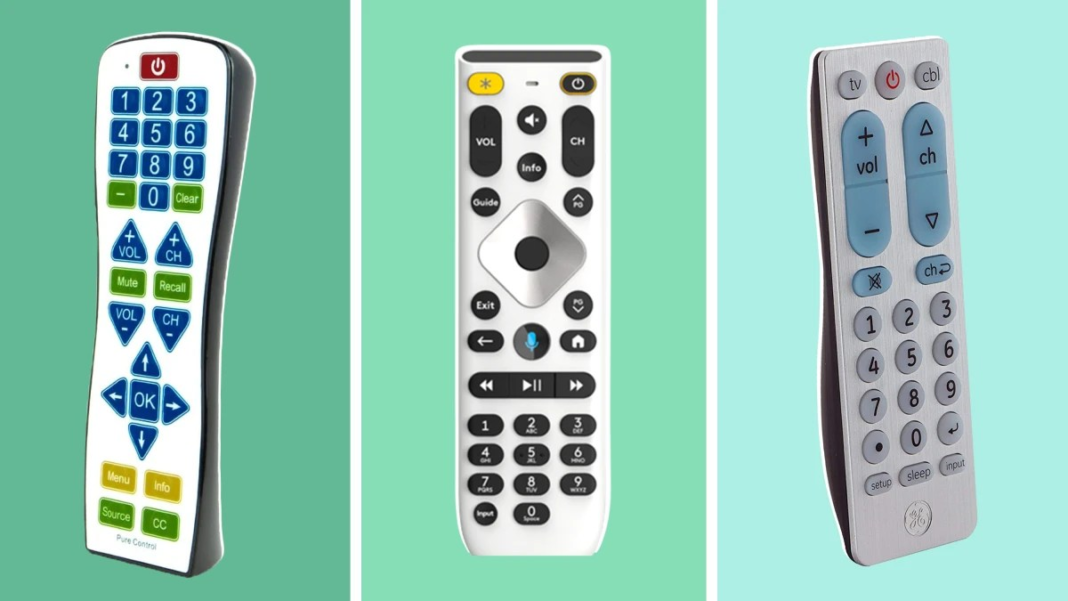
1. Continu.us Pure Control EZ Clean Remote
The Continu.us remote may not win any design awards, but it has practical features that cater to medical settings and everyday use. Its simplicity and ease of use make it especially appealing for seniors and those with cognitive impairments.

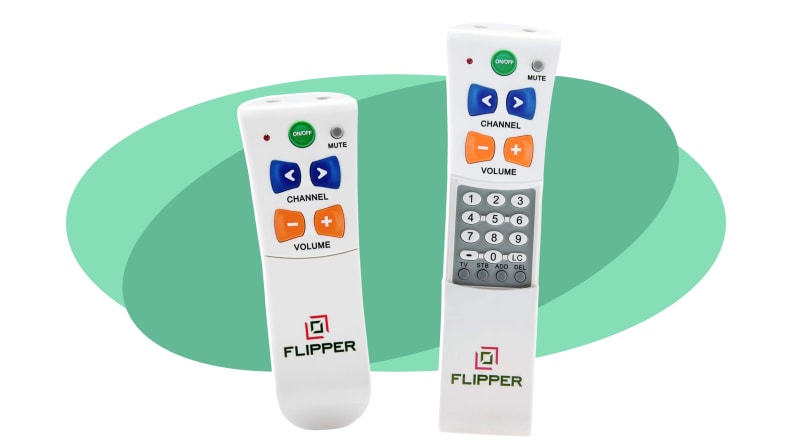
2. Flipper Big Button Remote
This remote stands out with its large, clearly labeled buttons, preventing accidental presses. Its user-friendly design helps seniors navigate through their favorite channels without frustration.
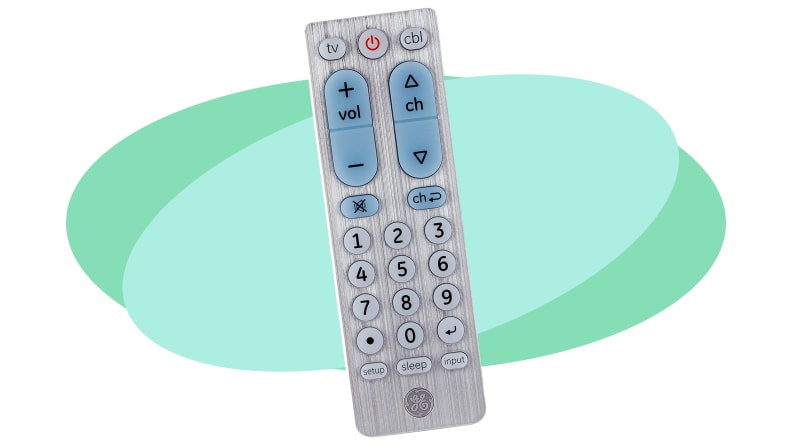
3. GE Universal Remote
Known for its understated elegance, the GE Universal Remote offers essential functions but may not be ideal for those who stream frequently. It does, however, provide an accessible solution for controlling multiple devices with ease.
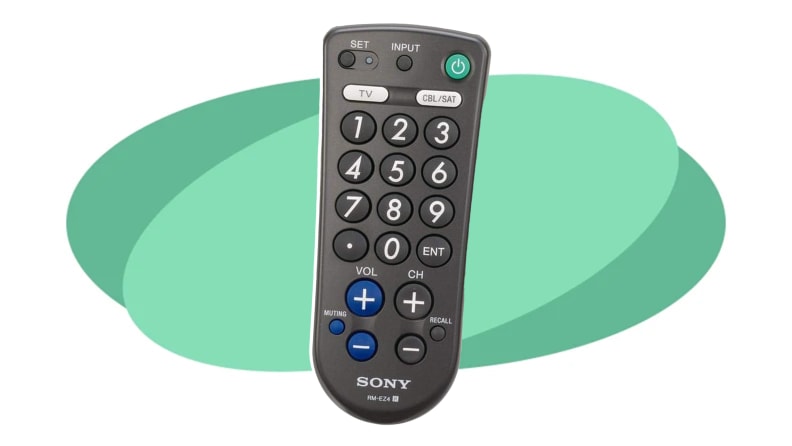
4. Sony RM-EZ4 Remote
A compact option, the Sony RM-EZ4 is perfect for small spaces but can be challenging for individuals with dexterity issues. Its lightweight design and straightforward layout make it suitable for basic television functions.
3 Essential Steps to Choose the Right Remote
1. Assess Necessary Functions and Setup
Understanding the functionality required based on the user’s setup is critical. Identify essential features like volume control, muting, and channel navigation. For users who engage with streaming services, look for remotes with easy access to input/source buttons and navigation arrows.
2. Consider Device Longevity and Compatibility
Deciding whether the remote will be used solely or among other remotes is crucial. In medical facilities or homes with caregivers, a simplified remote can minimize confusion. If advanced app features are rarely utilized, opt for a more straightforward design.
3. Focus on Individual Needs
Evaluate specific requirements such as button size, grip texture, and features like voice control. For users with mobility or dexterity issues, a remote with big buttons and a wrist strap can be beneficial. Accept that no single remote will meet all needs perfectly, but understanding individual preferences will guide your choice.
Programming Your Universal Remote
Once you’ve selected the remote, programming it may seem daunting. Generally, the process involves pressing a designated key or combination, followed by inputting a multi-digit code tailored to the devices in use. Each remote typically includes specific instructions, but you can also find guides online.
Many modern remotes feature an auto-program function, eliminating the need to manually type in codes. For remotes like Flipper, advanced programming options allow users to customize favorites—a handy but optional feature.
Importance of Programming
Programming is a one-time setup, simplifying access to entertainment afterwards. If you add a new device in the future, the user can return to the setup guide without hassle.
Testing and Evaluation Criteria
The evaluation of TV remotes for seniors often hinges on subjective qualities that enhance their usability. Factors such as grip, button size, ease of cleaning, programmability, and potential for app compatibility play a significant role in determining the overall user experience.
For example, remotes with larger buttons and tactile feedback can greatly benefit users with visual impairments. Similarly, a well-lit remote might ease navigation in low-light conditions, allowing for a more enjoyable viewing experience.
The exploration of accessible TV remotes reveals the importance of thoughtful design tailored to the needs of their users. As technology advances, acknowledging individual requirements and preferences ensures that everyone can enjoy their favorite shows comfortably.