
The Rising Tide of Micromobility Accidents: A Deep Dive into Urban Safety
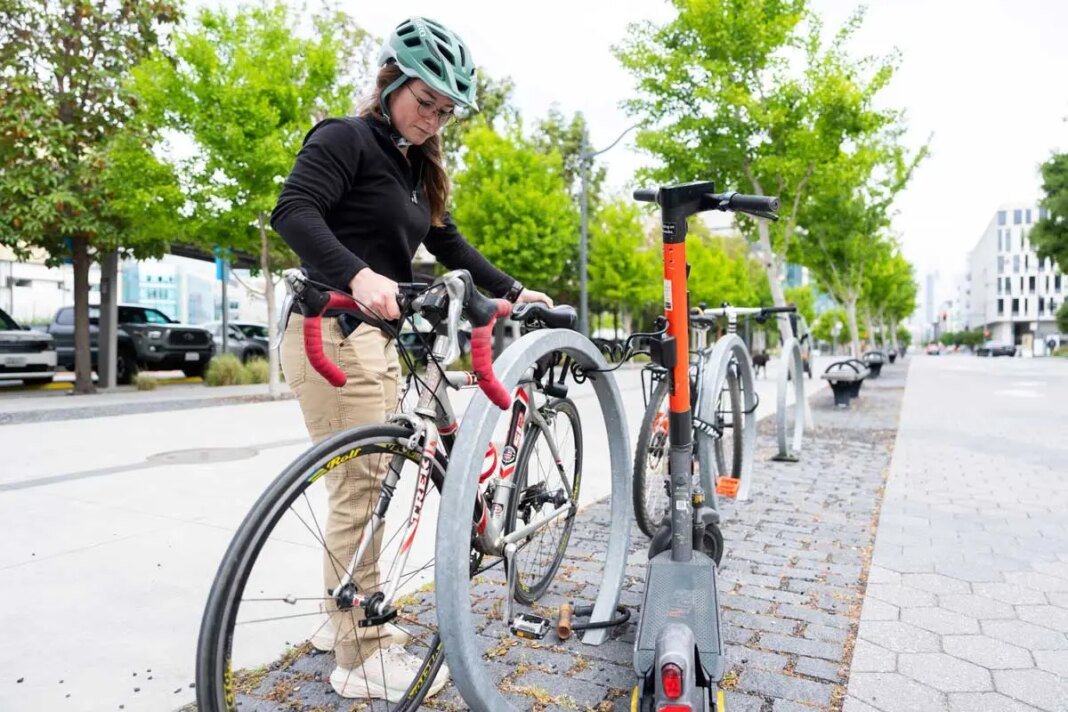
In today’s bustling urban centers, micromobility has emerged as a transformative option for short-distance travel. Small electric vehicles, particularly scooters and bicycles, have become popular due to their convenience and low environmental impact. However, recent research from UC San Francisco paints a troubling picture of the safety implications associated with this rise in micromobility. A significant surge in accidents related to these vehicles has sparked urgent calls for improved safety measures.
The Statistics Speak Volumes
Between 2017 and 2022, e-bicycle injuries saw a staggering annual increase, doubling each year. According to findings published in JAMA Network Open, e-scooter injuries also rose markedly, climbing by 45% per year during the same timeframe. The statistics are alarming—notably, injured e-riders tend to be older and are less likely to wear helmets compared to traditional cyclists and scooter users. E-scooter riders face a different set of risks, as they are more likely to sustain internal injuries compared to users of conventional scooters.
The research team analyzed injury and hospitalization data from various sources, providing a comprehensive look at the trends affecting both electric and conventional modes of two-wheeled transportation. This study is believed to be the first of its kind to examine injury patterns across these categories in the U.S.
Who’s Getting Hurt?
The findings reveal fascinating demographic insights. The average age of injured e-bicyclists is 39, whereas conventional cyclists have a median age of 30. E-scooter riders tend to be around 30 years old, significantly older than their conventional scooter counterparts, who skew younger, with a median age of just 11. This shift not only signifies a change in the user demographic but also highlights the need for measures tailored to their specific concerns.
One striking observation was the lower rate of helmet usage among electric vehicle riders. According to co-lead author Adrian Fernandez, this highlights a growing trend of risky behaviors, such as riding under the influence, becoming more prevalent among e-riders. This combination of factors raises serious questions about the safety measures currently in place for micromobility users.
Micromobility’s Urban Impact
The concept of micromobility—a term encompassing light, nimble modes of transportation—is witnessing an impressive growth trajectory, having surged 50-fold over the past decade. These vehicles are particularly attractive in tightly packed urban environments, where they provide an efficient way to navigate congested streets. E-scooters and e-bikes can travel up to 28 miles per hour, affording riders both speed and ease.
Yet, as their popularity rises, so do the dangers. The data indicates that injuries related to e-bikes skyrocketed from just 751 in 2017 to 23,493 by 2022. Similarly, e-scooter injuries increased from 8,566 to 56,847 during the same period. Altogether, the U.S. has recorded nearly 2.5 million injuries involving bicycles and over 304,000 involving scooters—figures that should raise eyebrows and prompt action.
Risky Riding Behaviors
What’s particularly concerning is the prevalence of risky behaviors among e-riders. The study shows that electric vehicle users are less likely to wear helmets, a crucial safety measure that has been shown to significantly reduce the risk of severe injuries. Furthermore, alcohol consumption before riding is more common among users of e-bikes and e-scooters—an unsettling trend that exacerbates the already heightened risk of accidents.
Recommendations for Change
The research authors urge a holistic approach to mitigate the alarming rise in micromobility injuries. This involves not just infrastructural changes to city layouts to accommodate small vehicles, but also dedicated education campaigns emphasizing the importance of helmet usage, sober riding behaviors, and improved safety practices among users.
As micromobility becomes increasingly woven into the fabric of urban living, addressing safety challenges is paramount. Benjamin N. Breyer, the senior author of the study, emphasizes the need for a cultural shift toward safety among riders, advocating for better urban planning that accommodates these vehicles while prioritizing pedestrian and cyclist safety.
Final Thoughts on Urban Safety
With the rapid increase in micromobility users, understanding the framework of their associated risks is vital. Ongoing research and education in this domain will be essential not only for enhancing user safety but also for maximizing the health and environmental benefits that micromobility offers. The evolution of urban transportation hinges on our ability to adapt and prioritize the safety of every rider on the road.